Authority Clinical Researcher Landing Page Template
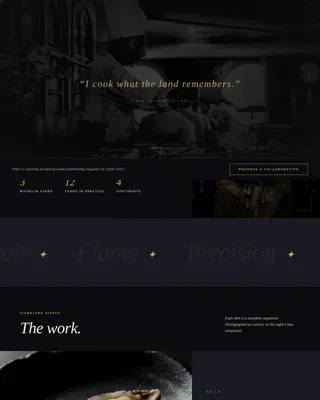
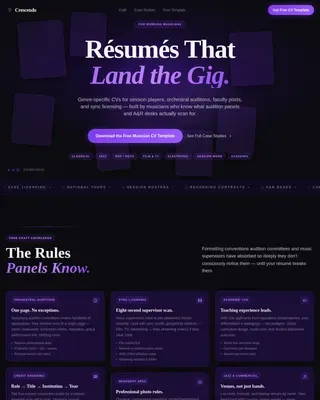
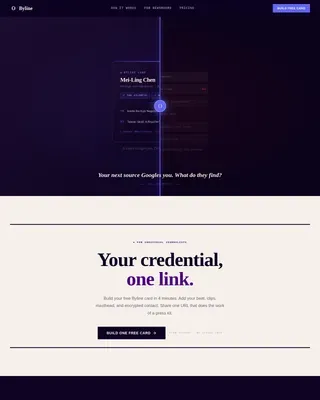
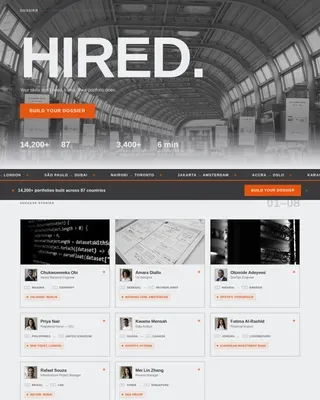
The Profileup - Elevate Your Research Authority Clinical Career Landing Page Template is a single-page, overlap-layered lead generation landing page built for clinical researcher LinkedIn profile optimization services. It combines a scholarly Ink and Paper color system with Tech Glass visual layering, scroll-driven animations, a before-and-after profile panel, testimonial cards, a three-step process section, and a dual call-to-action lead capture flow.
by Rocket studio
Quick summary
This landing page template is purpose-built for a professional service that rewrites the LinkedIn presence of clinical researchers. It uses immersive scroll-linked layering, a bold serif headline over a full-viewport clinical workspace image, and a dual lead capture flow. The design feels like a peer-reviewed journal brought to life on screen, balancing scholarly weight with translucent modernity.
Who this template is for
This template is the right place for founders, service providers, and any business owner running a clinical researcher career development or profile optimization service. It speaks directly to researchers who want their expertise noticed by collaborators, industry partners, and conference organizers, and to the teams who serve them.
- Principal investigators, medical affairs directors, and postdocs transitioning into pharma who want to elevate their professional presence and develop a stronger public-facing identity in the clinical research community.
- Career consultants, marketing professionals, and company operators who sell LinkedIn profile optimization or clinical research career development services and need a credible, conversion-focused landing page to lead prospects through a clear journey.
- Any organization, team, or business owner in the healthcare or life sciences industry who wants to attract high-value clients and maintain a professional brand that stands out from competitors.
What problem this template solves
Most people who conduct serious clinical research are deeply skilled at their job, yet largely invisible outside their institution. Their LinkedIn profiles read like outdated curriculum vitae documents from years ago. They invest years developing expertise in areas such as cancer treatment protocols, atopic dermatitis trials, and cardiology research, yet that expertise rarely translates into professional opportunity beyond the lab or hospital system. The workforce of clinical research is evolving rapidly, and career paths are not always clear, especially amid new ways of conducting trials. Managers and leadership in pharma and biotech look at LinkedIn first. When a researcher's profile does not reflect their actual value, opportunity walks past without knocking.
- Researchers lose speaking invitations, collaboration requests, and industry partnership conversations because their online presence does not connect with the right audience, even when their published trial work and patient outcome data are genuinely impressive.
- The clinical research workforce is growing more competitive. Experts encourage researchers to stretch beyond their comfort zones and develop skills that go beyond the bench, including soft skills training, professional writing, and personal brand development, or risk falling behind a new generation of digitally fluent peers.
- A service offering LinkedIn profile rewrites needs a landing page that earns respect immediately, communicates process, shows proof through testimonials, and drives qualified leads through a clear, low-friction form, all within a single scroll experience.
What you get with this template
This template delivers a complete, single-page lead generation experience structured around the transformation narrative of a clinical researcher going from invisible to authoritative. Every section stacks spatially, building urgency as the visitor scrolls from problem identification to social proof to process to conversion. The layout is overlap-layered, meaning panels and cards sit on top of one another with glass-morphism blur effects that reinforce the Tech Glass visual identity.
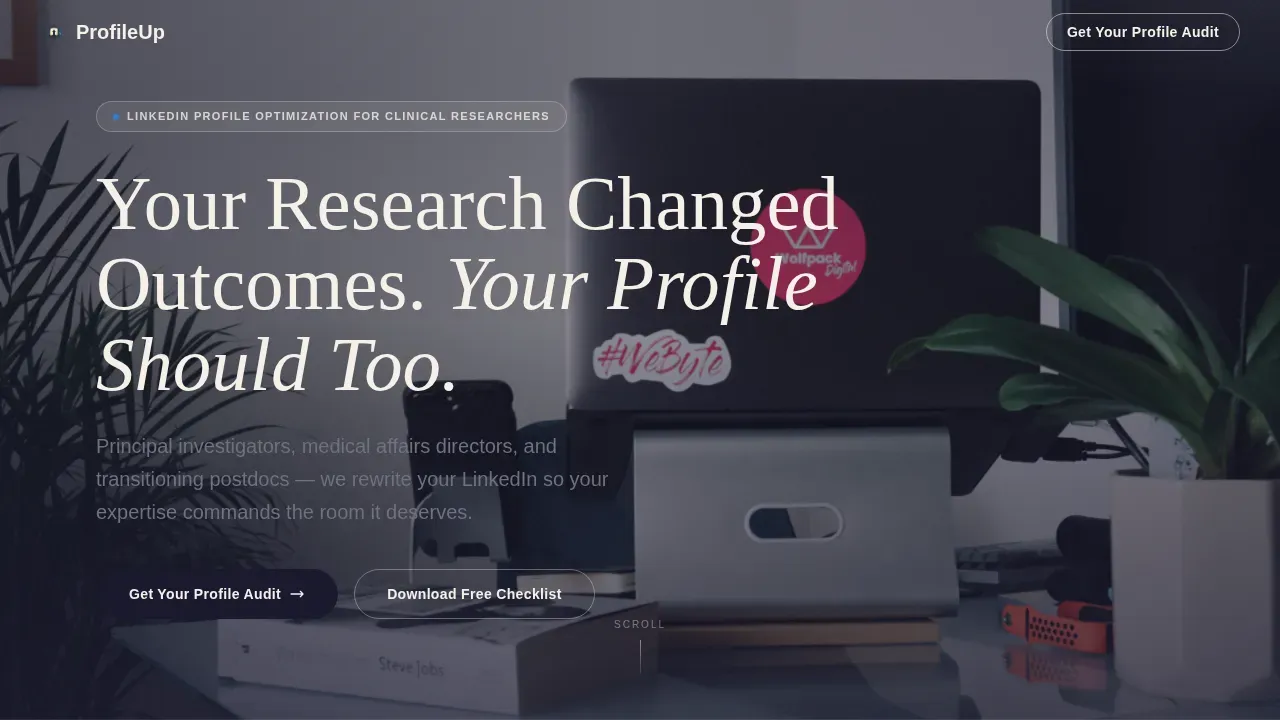
- A full-viewport hero section with a type-over-image header, a bold serif headline, a subheading, and a primary call-to-action button that initiates the profile audit lead capture flow, giving visitors an immediate and compelling reason to stay involved and scroll further.
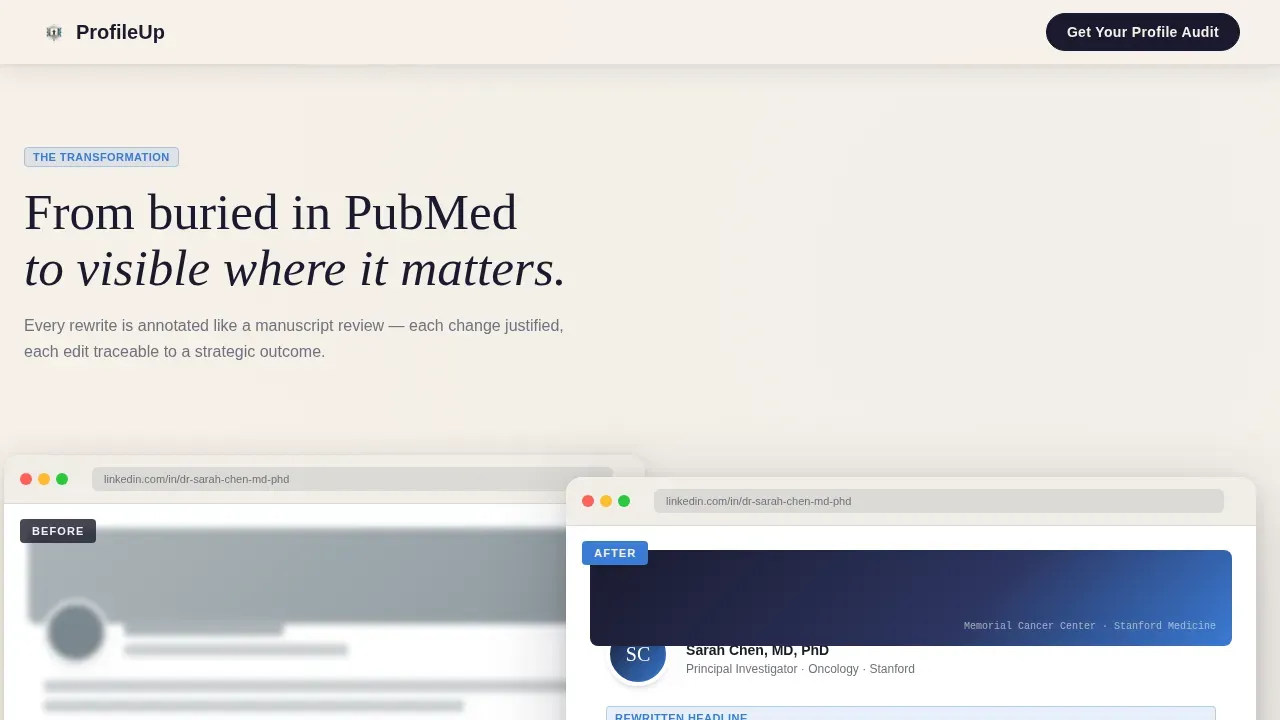
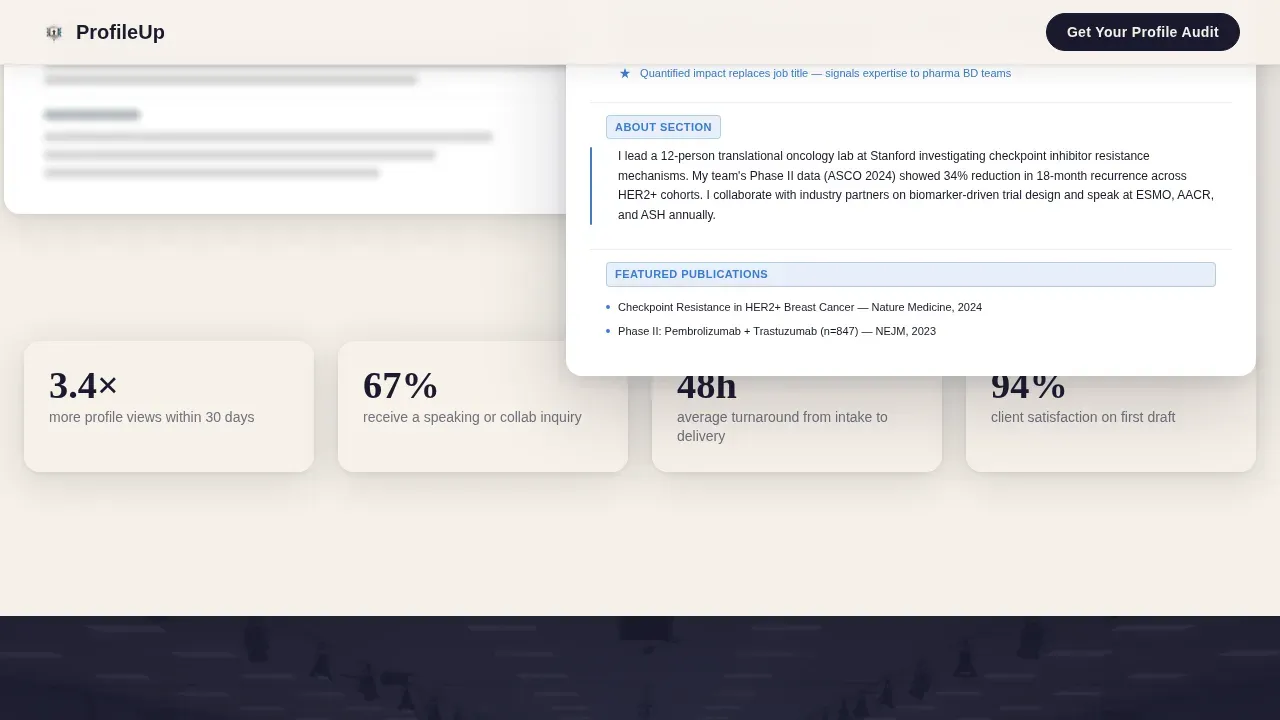
- A before-and-after interactive panel that shows a blurred generic LinkedIn profile sliding into a fully rewritten version annotated with editorial marks in clinical blue, making the transformation tangible and the value of the service immediately obvious to every person who lands on the page.
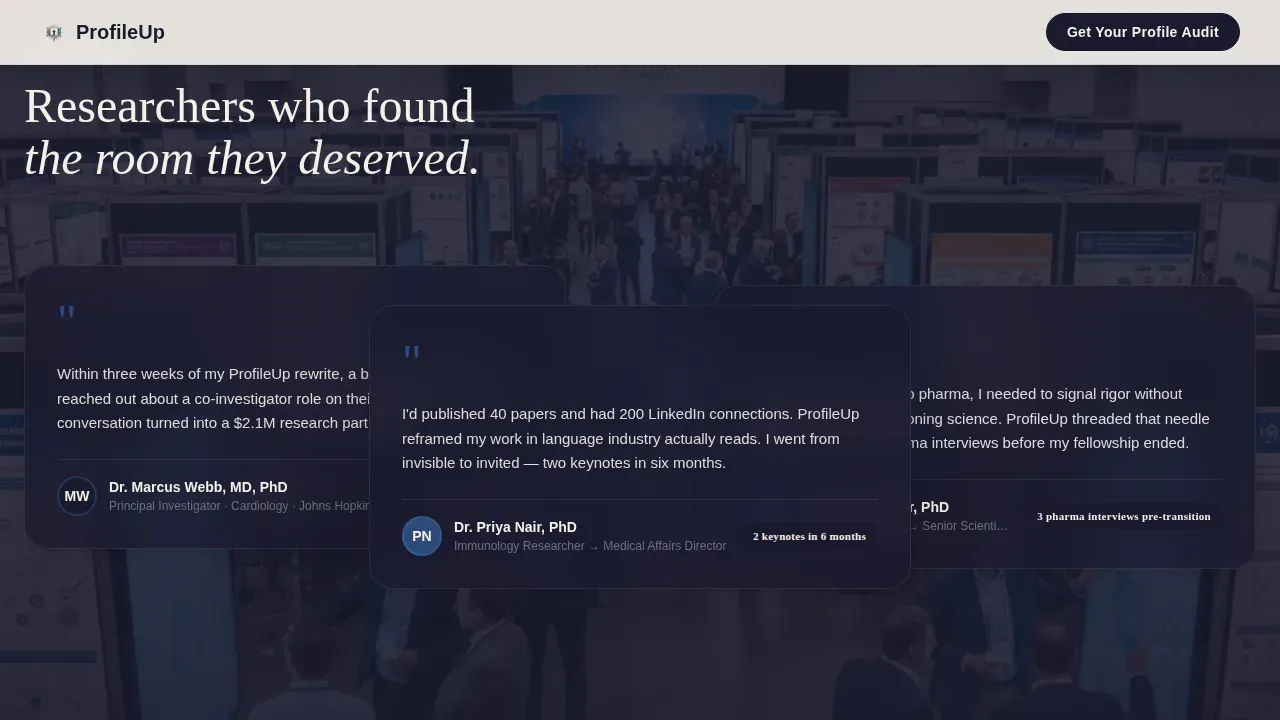
- Layered testimonial cards positioned over conference hall and lab corridor background images, each quote attributed to a named researcher with their specialty and a specific outcome metric, plus a three-step editorial process section, a dual call-to-action lead generation block with a profile audit form and a gated checklist download modal, and a linear single-row footer.
Feature list
This template packs high interactivity, scroll-linked animation, and a scholarly visual identity into a single, well-organized landing page. Every feature is grounded in what the template actually delivers.
Full-Viewport Hero with Type Over Image
The hero section fills the entire browser viewport with a clinical workspace photograph: a laptop open to a LinkedIn profile, a stack of published papers, and morning light refracting through a glass partition, shot at a slight overhead angle with shallow depth of field. Over this image, a large bold serif headline fades in on load. A single-line subhead in annotation gray sits beneath it. The clinical-blue call-to-action button anchors the visitor's eye and starts the lead capture journey immediately.
Scroll-Linked Layer Stacking and Parallax Depth
The template uses scroll-linked animations powered by Intersection Observer and CSS transforms to create a spatial depth experience as the visitor scrolls. Each section layer stacks closer to the viewer, accelerating the sense of momentum from problem to proof to process to conversion. Panels, cards, and background images move at different rates, reinforcing the idea that this is a service worth pausing for and engaging with on a weekly basis.
Interactive Before-and-After Profile Panel
A sliding before-and-after comparison is one of the most valuable interactive components on the landing page. The left side shows a blurred, generic LinkedIn profile. The right side slides in to reveal a fully rewritten version, with the headline, about section, and featured publications each annotated with editorial marks in clinical blue. Visitors can drag the slider to evaluate the difference themselves, making the transformation feel real rather than theoretical.
Layered Testimonial Cards with Outcome Metrics
Testimonial cards are positioned over full-bleed background images of conference halls and lab corridors. Each card carries a quote from a named researcher, their specialty (for example, oncology or cardiology), and a concrete outcome metric such as a speaking invitation received or a pharma partnership initiated. The layered card treatment reinforces the visual idea that social proof accumulates and stacks, building trust across the scroll journey.
Dual Lead Generation Block with Form and Gated Checklist
The lead generation section contains two parallel conversion paths. The primary path is a profile audit form that collects a LinkedIn profile URL, a research specialty selected from a dropdown (oncology, cardiology, neuroscience, immunology, or other), and an open-field response to the question "What opportunity do you want your profile to attract?" The secondary path offers a downloadable one-page checklist gated behind email and institution name, capturing prospects not yet ready for a full service engagement. Both paths feed the same client acquisition pipeline and help the business develop a warm lead list efficiently.
Three-Step Editorial Process Section
Between testimonials and the lead generation block, a clearly laid-out process section shows how the service works in three editorial steps. This section helps potential clients understand what they are committing to, reduces uncertainty, and gives the business owner a structured way to communicate the methodology. A transparent process makes it easier for researchers to say yes, especially those accustomed to the rigor of peer review and protocol documentation in clinical trials.
Page sections overview
| Section | Purpose |
|---|---|
| Hero with call to action | Establish authority and prompt immediate lead engagement |
| Before and After Panel | Show the transformation visually through an interactive slider |
| Testimonials with Metrics | Build trust with named researcher quotes and outcomes |
| Process Steps | Clarify the three-step editorial workflow |
| Lead Generation Block | Capture leads via profile audit form and checklist gate |
| Footer Single Row | Provide navigation and legal links without distraction |
Design & branding system
The design system pairs a Tech Glass visual style with an Ink and Paper color palette. The result feels like a peer-reviewed journal printed on heavy stock, then backlit through frosted laboratory glass. Layered cards and overlapping panels sit on an archival cream ground, with glass-morphism blur and stacked shadows that evoke pages of a protocol document. The clinical blue accent appears sparingly, so when it shows up, it carries the authority of a highlighted finding in a published study.
- The color palette uses four values: deep manuscript black (#1A1A2E) for primary text and backgrounds, archival cream (#F5F0E8) as the ground tone, annotation gray (#6E7180) for secondary text and subheadings, and clinical blue (#3A7BD5) reserved exclusively for interactive elements such as call-to-action borders, progress indicators, and hyperlinks.
- Typography is set in Fraunces for all serif display headlines and DM Sans for body copy and interface text, creating a clear contrast between scholarly gravitas and functional readability that reinforces the brand's editorial identity across every section of the landing page.
Mobile & speed optimization
Although the template is designed desktop-first to match how clinical researchers primarily work, it includes full mobile support so that every visitor who arrives from a conference follow up email, a LinkedIn post, or a referral link on a phone receives a complete and readable experience. The template uses Intersection Observer for scroll animations and CSS transforms only, keeping the rendering pipeline lean and the page responsive across screen sizes.
- Scroll-linked animations and parallax depth effects are implemented through CSS transforms and Intersection Observer, avoiding heavy JavaScript libraries that could slow the page down or create janky scroll behavior on mobile devices or lower-powered desktops.
- The before-and-after slider, the dropdown form, and the checklist gate modal are all built to maintain usability on touch screens, so the interactive elements that make this landing page compelling on desktop do not become obstacles on a phone or tablet.
How this template helps you convert
The conversion architecture of this landing page is built around the insight that clinical researchers respond to peer feedback, editorial rigor, and evidence-based authority. Most people in this audience will not fill out a generic contact form. They respond to offers that feel peer-reviewed, specific, and low-risk. Every design and copy decision is structured to move a skeptical, high-achieving person from awareness to action.
- The primary call-to-action, "Get Your Profile Audit," is a free, personalized review framed as expert feedback rather than a sales call, which aligns with how researchers are trained to evaluate and seek advice on their work in the context of clinical trials, publications, and career development conversations.
- The secondary lead capture path, the downloadable checklist titled "The Clinical Researcher's LinkedIn Anatomy," gives hesitant visitors a low-commitment way to connect with the service, so the business can follow up with a warm lead who has already demonstrated clear interest and is more likely to convert to a paying client over the coming week or weeks.
Other information about this template
This section covers additional context about how the template fits into the broader landscape of clinical research career development, landing page best practices, and lead generation strategy for healthcare services.
The clinical research workforce is evolving rapidly. Career paths in this industry are not always clear, especially amid new ways of conducting trials across therapeutic areas ranging from cancer treatment to immunology to cardiology. Clinical researchers report feeling burned out since the COVID-19 pandemic, and many are navigating a life transition from purely academic roles toward industry-facing positions. Investing in soft skills training is widely considered essential to prevent high turnover and maintain morale among clinical research staff. The ACRP community actively provides support to help researchers understand industry changes and career development options. Experts encourage clinical researchers to stretch beyond their comfort zones and be open to new opportunities, including building a stronger digital presence that reflects their leadership and skills.
A dedicated landing page that conveys hope and professional momentum can make an enormous difference for a service like this. A clear, engaging landing page can inspire hope and connect with potential clients much more effectively than a generic portfolio site. Creating a landing page that communicates value with clear language and a logical information hierarchy helps researchers quickly evaluate whether a service is a good fit for their current career stage, their research specialty, and their goals.
Identifying ideal customer profiles (ICPs) is crucial for effectively targeting marketing efforts in healthcare services. A clear understanding of ICP criteria helps narrow down potential customers. For this service, the ICP includes principal investigators who are deeply involved in clinical trials but lost when it comes to professional visibility, medical affairs directors whose online profiles have not kept pace with their actual career development, and postdocs who want to signal credibility as they transition into pharma or biotech company roles. Using LinkedIn with specific filters can help identify and connect with these ICPs in the healthcare sector. Engaging with potential clients through personalized outreach can enhance connection and trust.
The profileup elevate your research authority clinical career landing page template is designed to serve all of these needs within a single, cohesive scroll experience. A robust online presence can convert a static resume into a dynamic career-building tool. Dynamic publication sections can highlight therapeutic areas and include a scannable publication list. The template allows for demonstration of clinical competence, including procedural skills and patient outcomes. Templates of this type should support clear, specialized headlines and prioritize professional, high-resolution imagery to elevate the overall presentation.
From a broader landing page strategy perspective, a dedicated landing page can increase awareness, drive qualified lead enrollment, and give a business owner a single URL to share across marketing channels on a weekly basis. It serves as the anchor for referral sources, follow up sequences, and paid marketing campaigns. A well-structured landing page that uses clear language at an accessible reading level, incorporates representative imagery, and leads with a specific value proposition will outperform a generic company website for targeted conversion goals. Search engine optimization best practices, when applied to the page structure, can help the service reach ideal customer profiles more effectively online.
From a clinical research context, it is worth noting that a dedicated clinical trial landing page can increase awareness and drive subject enrollment. Landing pages designed with diverse imagery and accessible language help make clinical trial information more relatable and understandable to a broad range of patients. These same principles apply to professional services landing pages in the clinical research community: clarity, credibility, and a sense of hope and forward momentum are the conversion drivers that matter most.
Researchers who work across therapeutic areas such as cancer, cardiovascular treatment, neuroscience, and immunology, including areas where clinical trials are conducted to evaluate treatments like JAK inhibitors for atopic dermatitis, need a profile that reflects the complexity and importance of their work. JAK inhibitors, including baricitinib, upadacitinib, abrocitinib, and tofacitinib, have been evaluated and approved for the treatment of moderate to severe atopic dermatitis in clinical trials. The JAK/STAT pathway is involved in intracellular signal transduction and regulates gene transcription relevant to atopic dermatitis. JAK inhibitors can be administered orally or topically for the treatment of atopic dermatitis. These are the kinds of sophisticated, high-stakes trial findings that a researcher's LinkedIn profile should be able to communicate to the right industry audience, and this template gives the service provider the structure and visual credibility to make that case compellingly.
- The template supports a dual-path lead generation strategy, combining a high-commitment audit form with a low-commitment checklist download, giving the business owner two referral sources in a single landing page build.
- Experts suggest that clinical research must do a better job of attracting applicants from underserved areas and developing the next generation of workforce leaders, and a service with a well-designed landing page is better positioned to be part of that conversation at scale.
- The template's design allows customization of colors, brand elements, and section content, so each company or consultant can adapt it to reflect their unique voice and build a strong professional brand that resonates with their specific audience.
Theme
Tech Glass
Creative direction
Immersive Visual
Color system
Ink & Paper
Style
Overlap/Layered
Direction
Lead Generation
Page Sections
Full-viewport Hero with Serif Headline
Interactive Before-and-after Profile Slider
Scroll-linked Layer Stacking and Parallax Depth
Layered Testimonial Cards with Named Outcomes
Dual Lead Generation Block
Three-step Editorial Process Section
Related questions
Who is this landing page template designed for?
What interactive features does this template include?
Can I use this template to capture leads for a free audit offer?
Does this template work well on mobile devices?
Can the template content be customized for different research specialties?