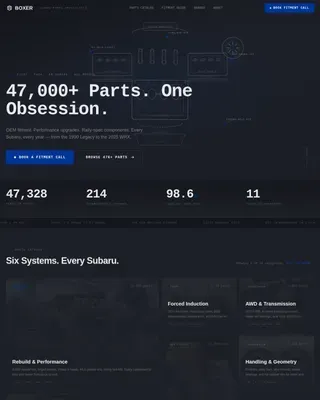
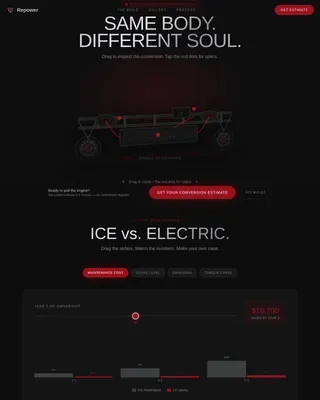
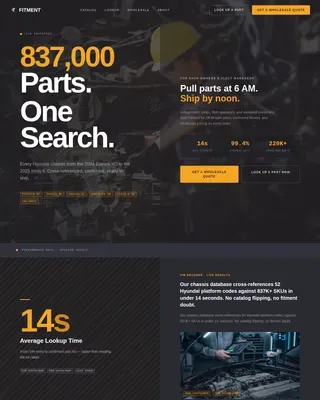
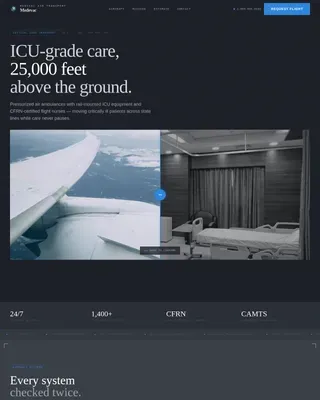
Dyno - High Performance BMW Tuning Landing Page Template
Dyno is a full-width immersive landing page template built for BMW performance tuning shops. It combines an Industrial Raw visual identity with a Spec Sheet creative direction, presenting hard dyno numbers, stage comparison toggles, and a "Build Your Spec" configurator form. Every section is engineered to convert technically minded BMW owners into booked clients through evidence, not promises.
by Rocket studio
Quick summary
Dyno is a single-page, data-forward landing page template designed exclusively for BMW performance tuning shops. It opens with an exploded-view engine illustration, walks visitors through platform-by-platform dyno data, and closes with a spec configurator that captures serious leads. The design is Industrial Raw: carbon black backgrounds, machined aluminum type, and dyno-chart red reserved for peak data points only.
Who this template is for
This template is built for shops and independent tuners who work on BMW platforms and want a client-facing page that speaks the same technical language their customers do. It suits businesses where the car owner already knows what a crank hub fix is and needs proof before booking, not a pitch.
- Weekend track-day E90 335i and F80 M3 owners researching stage tune upgrades
- Daily-driven BMW vehicle owners chasing more power without sacrificing reliability
- Out-of-state S58 and B58 motor build clients considering shipping engines for built bottom ends
What problem this template solves
Most automotive tuning pages fail technically minded BMW owners. They lead with lifestyle photography, vague promises, and zero hard data. The result is that serious buyers bounce immediately and look elsewhere for dyno numbers inside a proper comparison format. This template solves that trust problem directly.
- No dyno data on the page means technically savvy visitors leave before the scroll even starts
- Generic layouts cannot communicate the difference between stock, Stage 1, and Stage 2 results at a glance
- Weak lead capture forms waste the attention of buyers who already know their chassis code and power goals
What you get with this template
You get a complete, ready-to-customize single-page layout that posts every section a BMW performance shop needs to convert a serious buyer. From the hero down to the footer, every block is built around evidence and spec-level detail.
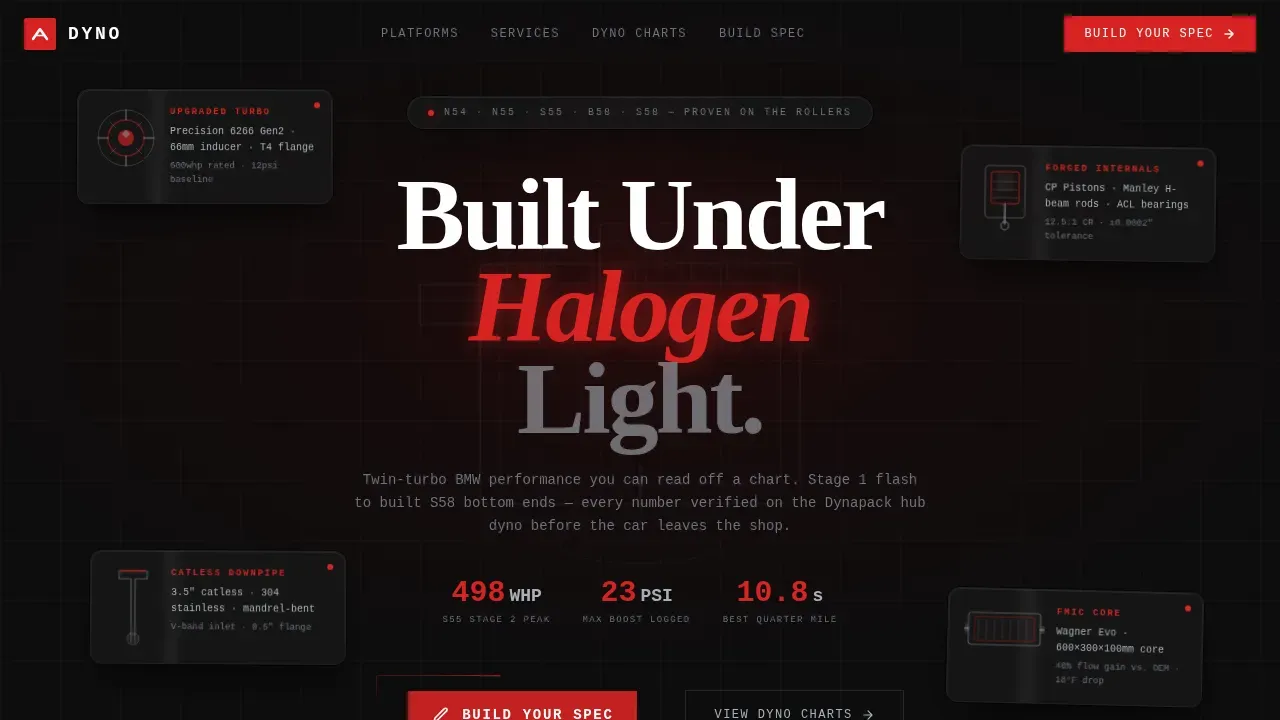
- A full-viewport hero with a floating, annotated exploded engine view and a prominent "Build Your Spec" call to action above the fold
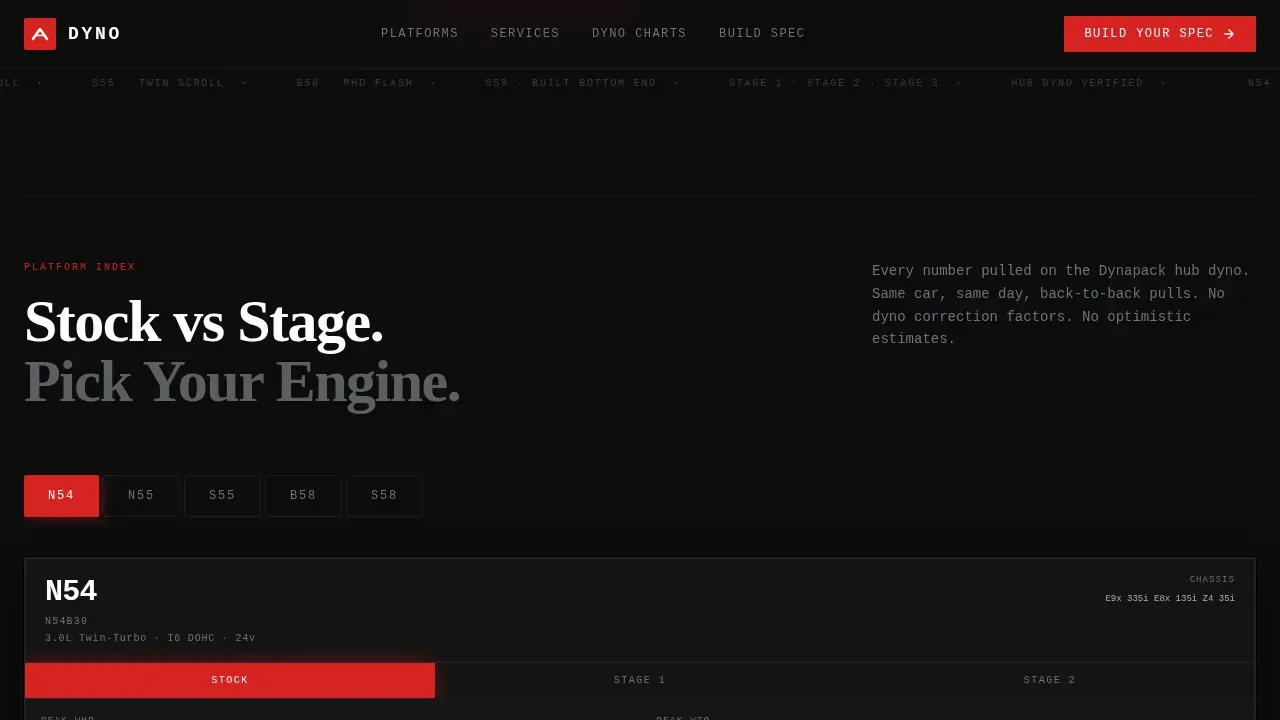
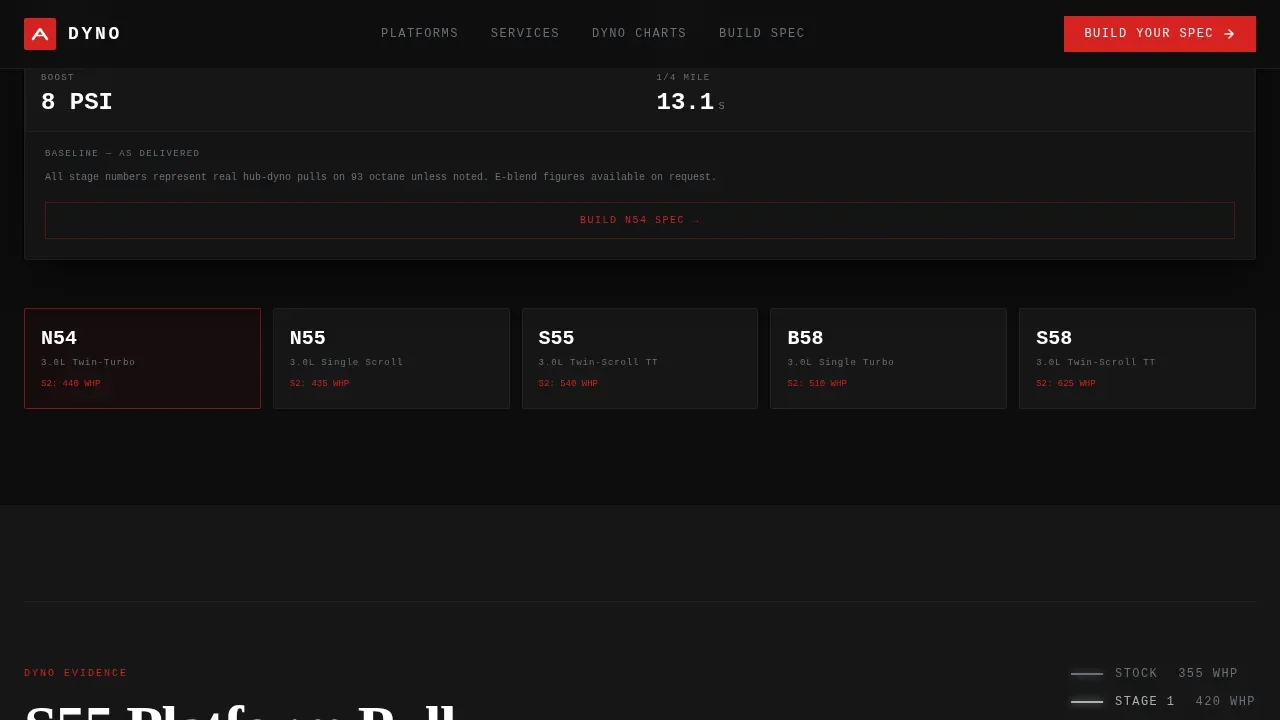
- Platform comparison cards covering N54, N55, S55, B58, and S58 engines with a stage toggle for switching between stock and tuned output figures
- A spec configurator form where visitors select their chassis, list current modifications, and state their target power goal, plus an email-gated dyno sheet download as a secondary conversion path
Feature list
This template packages a focused set of functional and visual components, each one grounded in what the source brief specifies.
Exploded View Hero Section
The hero opens at full viewport height with a technical illustration of a B58 engine. Every performance-relevant component floats in space: upgraded turbo, forged internals, ported manifold, intercooler core, and downpipe. Each part carries a precise spec callout label. The assembly is lit against pure black, styled like aerospace hardware photography. Floating animations are GPU-accelerated for smooth, high-frame-rate motion on desktop.
Platform Dyno Comparison Cards
Five engine platforms scroll in sequence: N54, N55, S55, B58, and S58. Each card opens with its own exploded view, then drops into a head-to-head column layout showing stock versus Stage 1 versus Stage 2 output figures. Data points include peak hp, peak torque, boost pressure, and quarter-mile times. The rhythm is mechanical and intentional: engine, specs, dyno graph, repeat. The layout helps the visitor measure the real difference a proper tune delivers.
Stage Toggle Interaction
Every comparison section ends with a live toggle that lets the visitor switch between tune stages and watch the numbers shift in real time. Animated dyno chart lines transition smoothly between overlays. This interactive element gives visitors a direct, hands-on feel for what each stage of tuning actually produces, which is far more persuasive than a static table.
Build Your Spec Configurator Form
The primary conversion path is a configurator-style form. Visitors select their chassis code, list existing modifications, and enter their target power goal. This structured input gives the shop immediately useful lead data. A secondary path offers a downloadable full dyno sheet, gated behind an email capture field, creating a second lead channel without disrupting the main flow.
Animated Dyno Chart Visualization
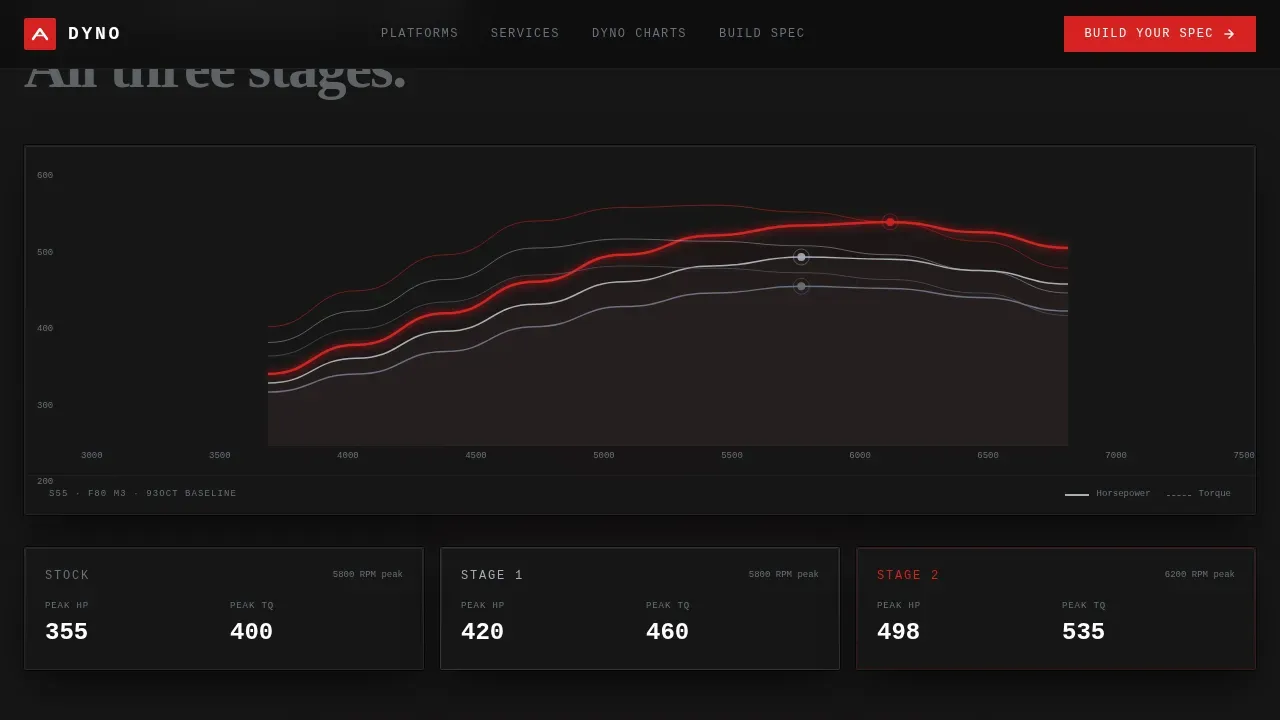
A dedicated evidence section renders animated dyno chart lines showing before-and-after power and torque curves. The visualization maps output across the full rpm range, making it easy to see gains at the top end and across the mid-range. Red spikes mark peak torque and peak horsepower moments, consistent with the color system reserved for data-critical points.
Services Bento Grid
A bento-style grid section organizes the shop's core service offerings: built bottom ends, turbo upgrades, ECU flash, and supporting hardware modifications. Each tile is compact and scannable. The grid lets a visitor quickly confirm that the shop covers their specific build requirements before they commit to filling out the configurator form.
Page sections overview
| Section | Purpose |
|---|---|
| Hero Exploded View | Full-viewport engine illustration with annotated floating components and primary call to action |
| Platform Selector Cards | N54 through S58 comparison cards with stage toggle and hard output figures |
| Dyno Evidence Charts | Animated before-and-after dyno chart overlays across the rpm range |
| Services Bento Grid | Scannable tile layout covering built bottoms, turbos, ECU flash, and supporting mods |
| Build Your Spec | Configurator form capturing chassis, mods, and power goal for qualified lead intake |
| Email-Gated Download | Secondary conversion path offering a full dyno sheet behind an email capture field |
| Footer Flow | Vercel Horizontal Flow pattern footer with navigation and contact reference |
Design & branding system
The visual identity follows an Industrial Raw theme built entirely around the Carbon Fiber color system. Every color choice has a functional purpose: black dominates the background, aluminum tones carry all body text, and red appears only where data spikes. The result feels like running a thumb across a freshly milled billet surface: cold, precise, and intolerant of sloppiness.
- Color palette: deep carbon weave black (#0D0D0D) for all backgrounds, machined aluminum (#A8B0B8) for body text and spec labels, dyno-chart red (#D72323) for peak data callouts, and laser-etched titanium (#3C3F43) for section dividers and secondary surfaces
- Typography system: JetBrains Mono for all spec numbers and technical data, DM Sans for body copy and supporting text, Fraunces for display headlines, creating a clear visual hierarchy between engineering data and editorial content
- Zero lifestyle imagery throughout: no smiling mechanics, no car photography, no showroom shots; the entire visual language is technical illustration, annotated diagrams, and hard data presented like a spec sheet from an engineer's locked desk
Mobile & speed optimization
The template is built desktop-first, which matches how track-day owners and performance enthusiasts typically research tuning options. Desktop layouts are fully realized and prioritize large comparison tables and detailed dyno chart visualizations. Mobile support is included to ensure the page remains functional and readable for visitors arriving from any device.
- GPU-accelerated CSS transforms power the floating engine animations and stage toggle transitions, keeping frame rates smooth without blocking the main render thread
- CSS custom properties manage the entire color system and spacing scale, making the layout lightweight and easy to adjust without touching component-level styles
- The build-your-spec form and email capture fields are fully responsive, so mobile visitors can still complete the primary and secondary conversion paths without layout breakage
How this template helps you convert
A high-performance BMW tuning landing page for dyno services must balance technical credibility with persuasive, conversion-focused design. This template solves that balance by sequencing evidence before the ask, holding nothing back, and then making the conversion action feel like the natural next step for a buyer who already trusts the data.
- The exploded view hero and platform comparison cards post all the proof upfront, so by the time a visitor reaches the configurator form they have already seen the dyno numbers inside the comparison layout and have a clear idea of what their own vehicle can achieve
- The stage toggle and animated chart visualizations create active engagement, turning passive reading into hands-on exploration that increases time-on-page and signals genuine purchase intent before the visitor even hits the form
- The dual conversion path structure, primary configurator plus email-gated download, captures both high-intent buyers ready to book and research-phase visitors who need more time, ensuring the page works across the full range of buyer readiness
Other information about this template
This section covers additional build context, community ecosystem signals, and practical considerations that are useful to know before deploying or customizing the template.
This is the Dyno high performance BMW tuning landing page template, designed for the BMW performance tuning niche within the Automotive and Transport category. Shops that want to reach technically informed buyers will find the template's data-forward structure directly aligned with how the BMW enthusiast community researches tuning decisions.
Community forums such as bimmerpost sites are a primary research environment for this audience. Threads on those platforms regularly post detailed tuning discussions covering afr targets, boost maps, and stage-by-stage data. Buyers who come from those threads arrive with high technical literacy and low tolerance for vague claims. The template's spec-sheet format matches that expectation precisely.
Discussions in those communities often reference specific forum mechanics: originally posted citations when sharing dyno data, post replies comparing tune results across different vehicles, and new threads dedicated to platform-specific tuning questions. Members with a long join date and established va itrader or maine itrader reputation carry significant influence. The template's evidence-first format reflects how trust is built in that environment: you post the numbers, others verify, and credibility compounds over time.
The template layout also aligns with practical tuning knowledge shared in those spaces:
- Piggyback tuning systems can manipulate fuel delivery and boost pressure but are widely considered less reliable than a full ECU remap; the template's stage comparison structure makes that difference visible to buyers who have read those threads
- Stacking tuning products can push fuel rail pressure beyond safe operating limits; a full custom remap on a proper dyno avoids this risk, and the template's messaging framework supports communicating that distinction
- Custom ECU tuning files can be reverted to factory software when needed for maintenance or resale, and clearly communicating this in the configurator section can reduce a common objection from daily-driven vehicle owners
- Posts and threads in the BMW tuning community frequently reference specific hardware: a Dynojet or Mustang AWD-500 chassis dyno carries credibility with buyers who have been following those discussions since their join date
- The garage list and posts search functions on community platforms mean buyers often arrive with specific search results already in hand; the template's annotated spec labels and dyno numbers inside the comparison cards match the format those buyers are accustomed to reading
- Attachments such as dyno graphs and videos are the primary social proof currency in enthusiast forums; the email-gated dyno sheet download directly mirrors the post attachments format that community members already trust
- The template supports adding videos of dyno runs, which community members find more persuasive than static graphs alone
- Off topic posts and unrelated content dilute shop credibility in forum contexts; keeping the landing page tightly focused on specs and performance data avoids that problem entirely
- A garage list section or reference to the shop's build history gives visiting community members a familiar touchpoint that mirrors how shops establish credibility on enthusiast platforms
- html code customization is straightforward given the CSS custom properties architecture, allowing developers to adjust the color system or add platform-specific data without restructuring the layout
Theme
Industrial Raw
Creative direction
Spec Sheet
Color system
Carbon Fiber
Style
Full-Width Immersive
Direction
Comparison/Versus
Page Sections
Exploded View Hero with Floating Annotations
Platform Comparison Cards with Stage Toggle
Animated Dyno Chart Visualization
Build Your Spec Configurator Form
Email-gated Dyno Sheet Download
Services Bento Grid
Related questions
What BMW engine platforms does this template cover?
How does the stage toggle work in this template?
Does the template include a lead capture form?
Is this template suitable for shops that offer custom ECU remapping?
Can the dyno chart section display real before-and-after performance data?