Premium Regional & Specialty Restaurant Appointment Booking Website Template
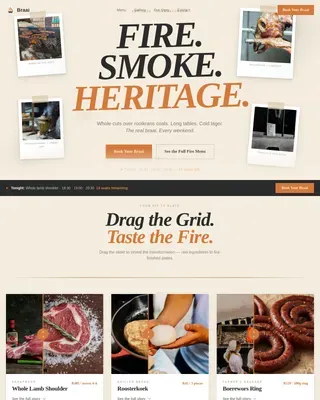
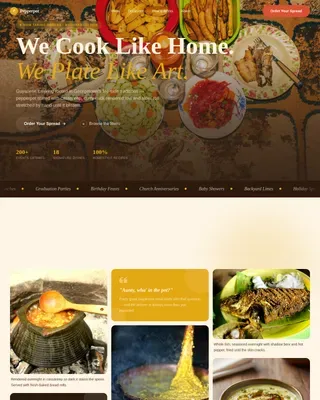
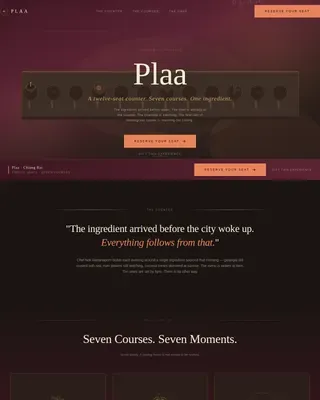
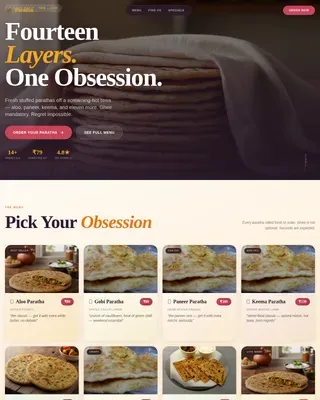
Robata is a full-width immersive landing page template built for charcoal-fired fine dining restaurants. It pairs cinematic lifestyle photography with a warm Sunset Mesa color palette to carry guests from first scroll to reservation. A fixed call-to-action bar, a three-step booking form, and an omakase take-home order path turn atmospheric storytelling into direct revenue for your restaurant.
by Rocket studio
Quick summary
Robata is a single-page, full-width landing page template designed for Japanese robata grill restaurants and other experiential fine dining concepts. The template uses a Pastoral Calm visual identity, a Sunset Mesa color system, and cinematic scroll pacing to guide guests from the hero photograph straight to a reservation. Every section is built around the idea that great food sells itself when it is presented with the right atmosphere and unhurried design.
Who this template is for
This template is built for restaurant owners, operators, and hospitality designers who want their online presence to feel as intentional as the dining experience they serve. It suits venues where the food, fire, and atmosphere are the story and where the landing page needs to earn a reservation rather than simply list a menu.
- Charcoal-fired fine dining restaurants, robata grill venues, and modern Japanese dining concepts looking for an immersive landing page.
- Restaurant designers and developers building a bespoke site for a chef-driven, counter-culture dining room where guests sit close to the fire.
- Hospitality operators who prefer to convert visitors through atmosphere and visual storytelling rather than heavy promotional copy.
What problem this template solves
Most restaurant landing pages treat food as a secondary concern. They lead with a text-heavy menu, bury the reservation link, and give guests no emotional reason to book a table. A fine dining restaurant built around live fire, provenance, and craft deserves a landing page that communicates all of that before a visitor ever reads a single word about price or availability.
- Generic restaurant templates fail to convey the sensory experience of a robata meal, leaving curious diners with no clear picture of what to expect when they arrive.
- Complicated booking flows and unclear calls to action cause potential guests to leave before they commit to a date, losing dinner and lunch reservations the restaurant could have captured.
- Most templates serve everyone equally, which means they serve no one particularly well. A robata grill and a fast-casual chicken bowl restaurant should not share the same page structure.
What you get with this template
You get a complete, carefully structured landing page that moves like a meal. Each section has a defined purpose: build atmosphere, establish provenance, present the menu visually, and then convert the visit into a booking. The template includes every layout component described in the brief, ready to be customized with your restaurant's own photography and copy.
- A full-viewport cinematic hero with a delayed serif headline, parallax scroll behavior, and a fixed bottom call-to-action bar that stays visible as guests scroll.
- A visual menu procession section with wide negative space, course-by-course food photography slots, sake and natural wine pairing labels, and an omakase take-home box secondary call-to-action path.
- A three-step reservation booking module covering date selection, party size, seating preference (counter or dining room), an optional dietary notes field, and a celebrations note field, plus a full-width confirmation section.
Feature list
This template is built around a small set of deliberate, high-impact features. Each one serves the restaurant's core goal: move a first-time visitor from curious observer to committed dinner guest.
Cinematic Hero with Parallax Scroll
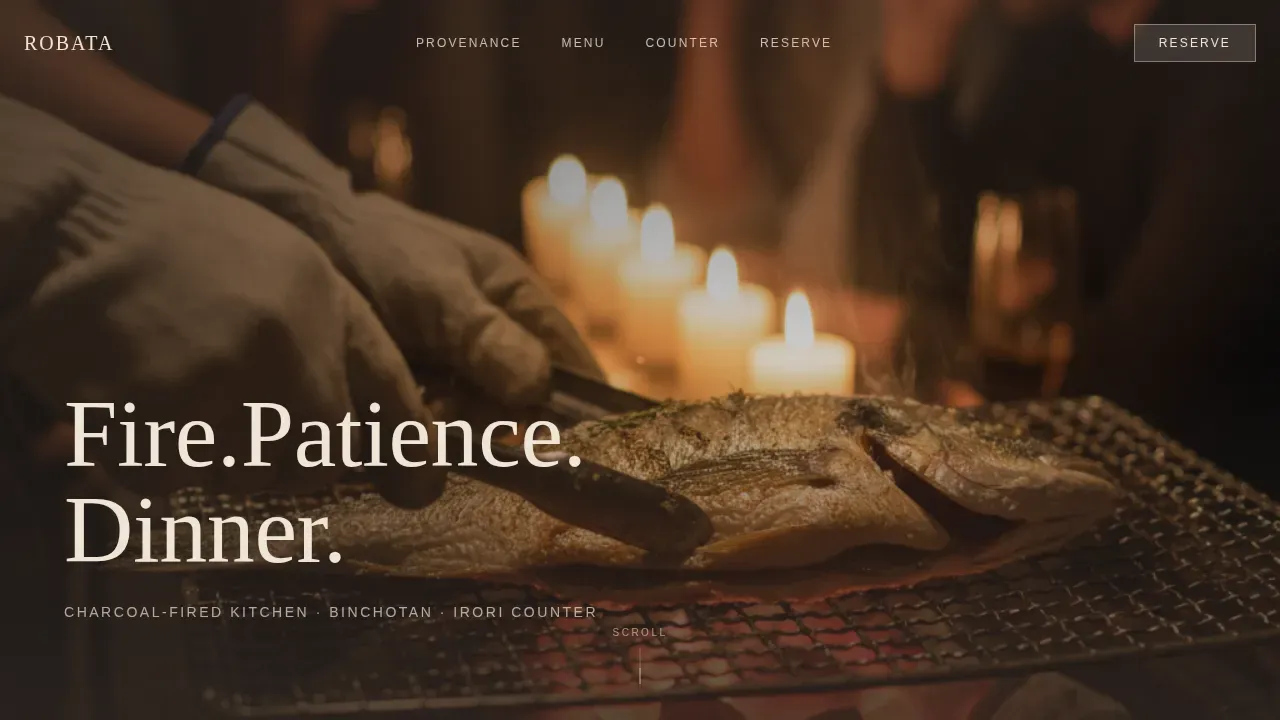
The hero occupies the full viewport and is designed for a lifestyle shot taken from behind the counter. Binchotan glow in the foreground while soft-focus guests lean into candlelight beyond the pass. A single thin-serif headline fades in after a two-second delay, reading "Fire. Patience. Dinner." The parallax effect gives the image depth as guests scroll, reinforcing the unhurried pace that defines the robata dining experience.
Fixed Bottom Call-to-Action Bar
After the hero passes out of view, a slim fixed bar appears at the bottom of the screen. It carries the primary reservation prompt in warm clay against deep charcoal, keeping the booking path visible without interrupting the visual story. This design choice is grounded in the principle that clear calls to action, placed persistently but unobtrusively, make it easier for guests to commit to a date without having to scroll back up to find the button.
Ingredient Provenance Section
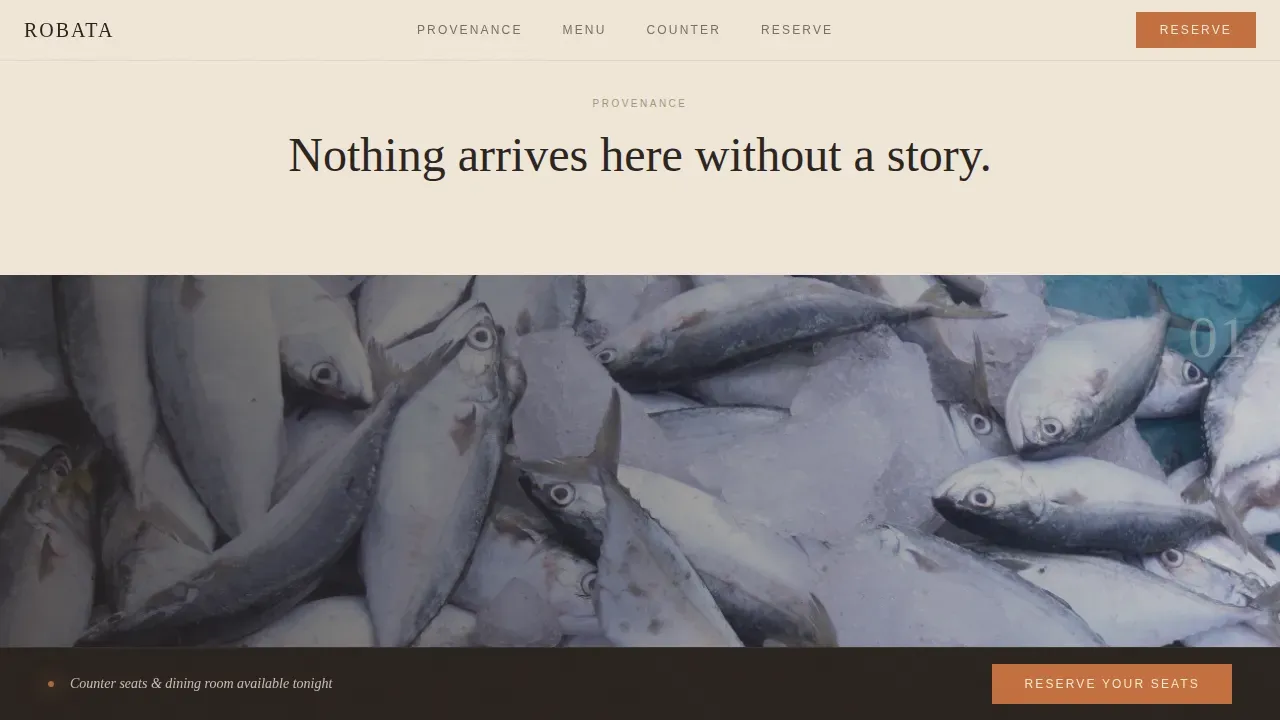
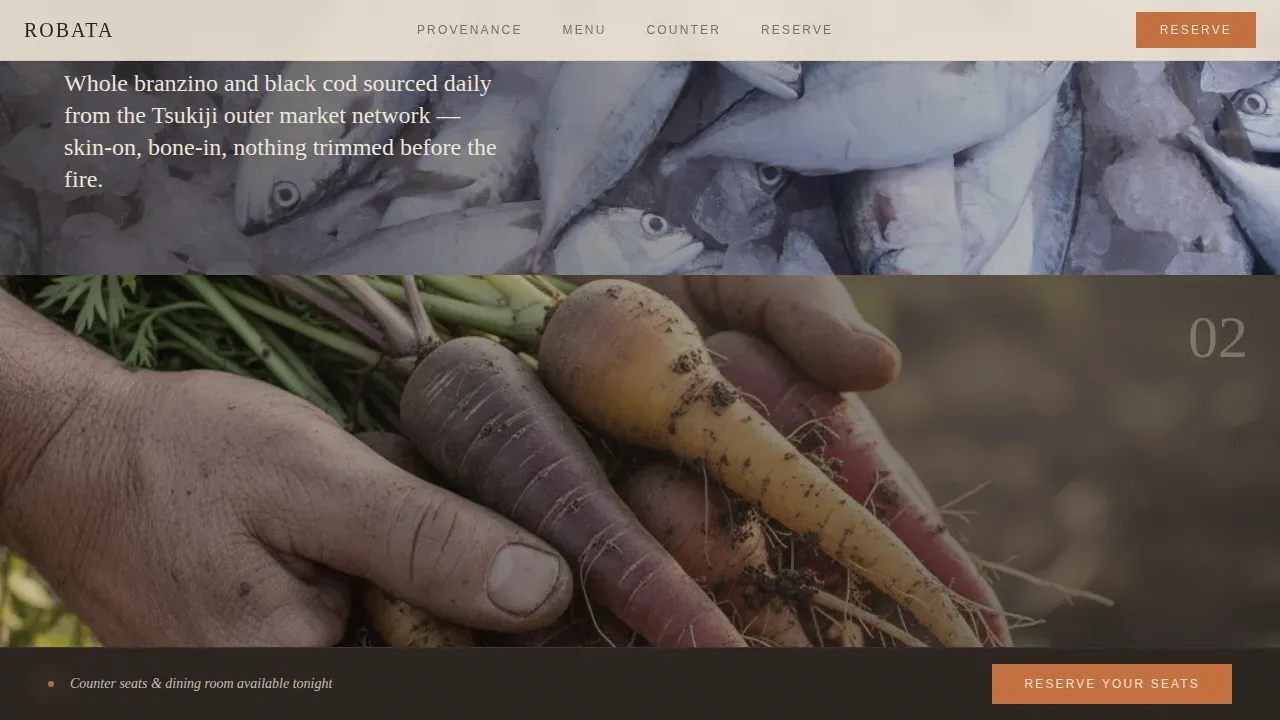
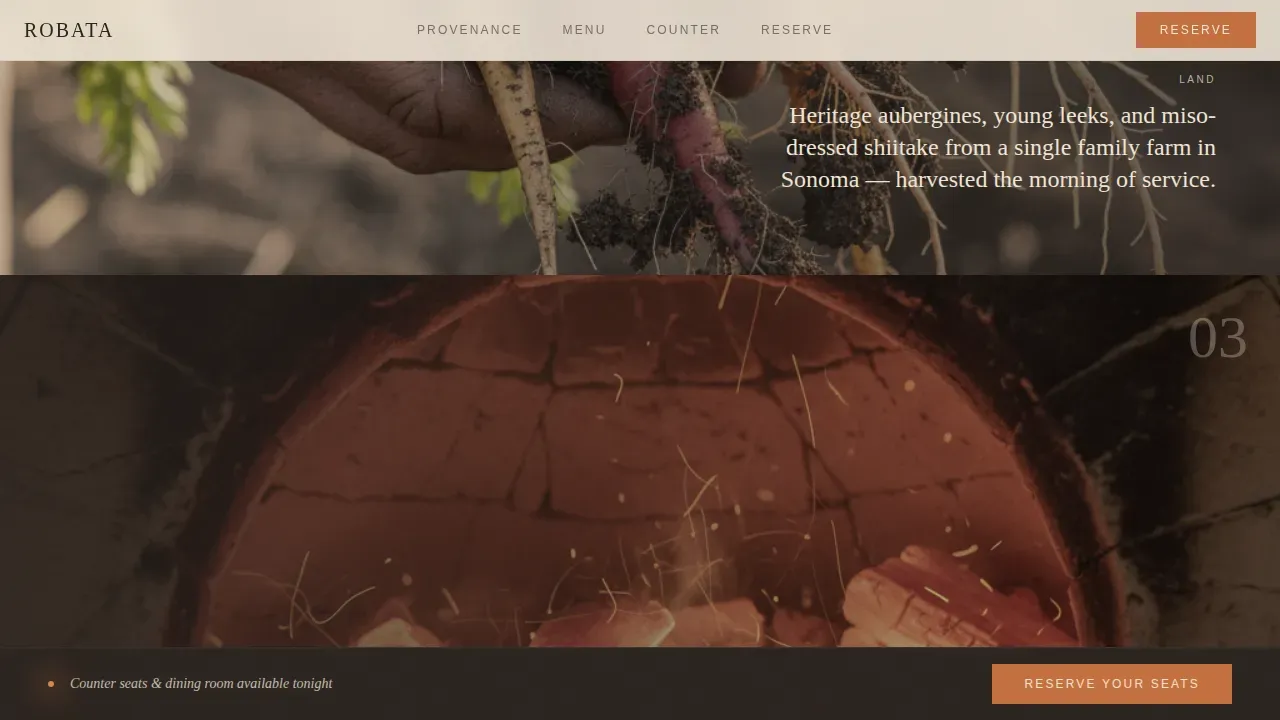
Edge-to-edge photography slots carry overhead shots of whole fish on ice, farmers' hands in soil, and binchōtan kilns. Each image is paired with a single sentence of provenance copy layered quietly over the photograph. This section communicates the restaurant's sourcing philosophy without a bulleted ingredient list, letting the visuals carry the weight of the argument. Guests who care about quality ingredients and real flavors respond to this kind of honest, image-led storytelling.
Visual Menu Procession
The menu is presented not as a printed list but as a procession of plated course photographs. Steam is still visible in each shot. Every course sits alongside its recommended sake or natural wine pairing, and wide negative space between plates slows the scroll deliberately, mirroring the restaurant's philosophy that a good meal resists hurry. This section is where guests taste the food with their eyes before they ever book a table.
Three-Step Reservation Module
The booking form is structured in three clean steps: date and time, party size, and seating preference. The counter and the dining room are presented as distinct choices, honoring the difference between the two experiences. Optional fields for dietary notes and special celebrations keep the form considerate without making it feel long. A secondary call-to-action button invites guests to order the omakase take-home robata box, opening a second revenue path without cluttering the primary booking flow.
Counter Story and Testimonial Block
A dedicated atmospheric copy section tells the story of the irori counter experience. This is where the template supports a pull-quote testimonial from a counter regular, giving the restaurant social proof rooted in the voice of someone who sits at the fire every week rather than a generic five-star review snippet. Fine dining establishments benefit greatly when their sites carry the real voices of loyal guests.
Page sections overview
| Section | Purpose |
|---|---|
| Hero viewport | Cinematic entry, delayed serif headline, parallax depth |
| Fixed call to action bar | Persistent reservation prompt after hero exits view |
| Provenance photography | Edge-to-edge ingredient origin images with provenance text |
| Visual menu procession | Course-by-course plated food with sake and wine pairings |
| Reservation module | Three-step booking form with seating and dietary options |
| Omakase box call to action | Secondary revenue path for take-home robata box orders |
| Counter story block | Atmospheric irori counter narrative and testimonial |
| Site footer | Logo and tagline left, minimal navigation links right |
Design & branding system
The visual identity follows a Pastoral Calm theme. The Sunset Mesa color system draws from the landscape of a desert table set at sundown: terracotta plates on linen, smoke rising against a pink-orange horizon. Every color has a specific job. Dusk sky breathes generous whitespace between courses of content. Clay marks the primary action color. Charcoal carries all body text with authority and warmth.
- Color roles: sun-baked clay (#C4703F) for primary calls to action and hover states, dried sage brush (#A3977A) for section transitions and accents, deep hearth charcoal (#2B2420) for all body text, and pale dusk sky (#F0E6D8) as the dominant background wash.
- Typography: Fraunces serif is used for all display headlines, giving the page a thin, editorial feel consistent with Japanese minimalism. DM Sans handles all body copy and user interface elements with clean, readable weight.
- Animation approach: scroll-reveal word animations, fade-in section transitions, parallax on the hero image, and subtle image hover states create a medium-weight animation layer that feels alive without being distracting.
Mobile & speed optimization
The template is built desktop-first, reflecting the reality that date-night couples and food-literate diners typically research a fine dining reservation on a larger screen. That said, the layout adapts gracefully to mobile, ensuring that guests who discover the restaurant on a phone still experience the full atmosphere of the template. Mobile optimization is a practical necessity for any fine dining landing page today, and this template is designed to handle that transition cleanly.
- The hero photograph scales and reframes for smaller viewports, preserving the binchotan glow and candlelit depth even on a compact screen.
- The three-step reservation form collapses to a single-column stacked layout on mobile, keeping the booking path accessible and easy to complete without zooming or horizontal scrolling.
How this template helps you convert
This template converts visitors into guests by sequencing the experience the way a good meal sequences its courses: atmosphere first, substance second, commitment third. By the time a visitor reaches the reservation module, they have already moved through the sensory world of the restaurant and formed an emotional picture of the dinner they want to have.
- The cinematic hero and fixed call-to-action bar capture intent early. Guests who are ready to book can act immediately. Guests who want to explore are invited to scroll deeper into the provenance and menu sections, where the food does the selling. High-impact visuals that showcase the live fire cooking process and artisanal dishes establish an emotional connection long before the booking form appears.
- The visual menu procession functions as an extended argument for the reservation. Each plated course photograph, each sake pairing label, and each breath of negative space between sections reinforces the quality and care that define the dining experience. Effective animations that visualize the robata cooking process deepen engagement at exactly the moment when a guest is deciding whether the meal is worth the price.
- The two-path conversion structure captures guests at different stages of intent. Primary guests book a table directly through the three-step reservation module. Secondary guests who are not ready to commit to a full dinner can order the omakase take-home robata box instead, generating revenue from the visit while keeping the relationship open for a future in-restaurant booking.
Other information about this template
This section covers additional context about the robata cooking tradition, the dining culture this template is built to serve, and a range of food and menu topics that help frame the template's practical scope for operators building or customizing their restaurant landing page.
- Robata fire cooking techniques originated with fishermen in Hokkaido, Japan, who used communal hearths on their boats to cook their catch. The word robata refers to the fireside itself, and the tradition has always placed the cooking act at the center of the dining experience.
- Binchōtan is a type of white charcoal that burns at a high, steady temperature without producing excessive smoke. This makes it the preferred fuel for a fine dining robata kitchen, where the chef needs consistent heat to move ingredients across a multi-tiered grill and achieve perfectly cooked results from each bite.
- The minimalist approach in robata cooking emphasizes quality ingredients with light glazes or simple salt for seasoning. Real flavors come from the fire, the fat, and the ingredient itself, not from heavy sauce or masking spice. A thin coat of tare, a pinch of salt, and a careful hand on the paddle is often all a skilled chef needs.
- Chefs use a multi-tiered grill to achieve precise cooking by moving ingredients between different heat levels. The presenting of food from a long wooden paddle is a traditional serving style that guests at the counter watch with genuine curiosity and appreciation.
- A great robata menu can serve quite a bit of variety across a single evening. The grill handles beef cuts with visible fat marbling, whole fish, grilled unagi, skewered chicken, fresh vegetables, tofu, and mushrooms with equal confidence. Cold dishes like sashimi and seasonal rice preparations round out the meal before a final dessert course closes the evening.
- Modern interpretations of robata may incorporate global flavors or contemporary twists, such as miso glazes or truffle soy, while fine dining versions may feature luxury items like A5 Wagyu alongside simpler preparations that remind guests where the tradition came from.
- The concept of vibe coding as applied to fine dining involves using sensory elements such as lighting, music, and decor to influence guests' perceptions and enjoyment of their meal. This template translates those principles to the screen: color temperature, typography weight, animation timing, and image selection all work together to create a cohesive atmosphere that resonates with guests before they arrive in person.
- Robata cooking is characterized by a live-action performance element where chefs cook in front of diners. The irori counter experience, where guests sit close to the fire and watch each course come off the grill, is a huge part of what makes a robata restaurant feel different from other places that serve grilled food.
- A robata landing page built on this template can support menus that include sushi, sashimi, grilled seafood, yakitori-style chicken, beef, rice dishes, sake flights, Japanese tea service, and dessert. The visual procession layout accommodates all the dishes across a tasting menu format without overcrowding the page.
- Lunch service at a robata restaurant often draws a smaller, more local crowd than the dinner seating. Weekends tend to bring larger parties and longer counter waits. A well-structured landing page that clearly communicates both lunch and dinner availability, along with seating preferences, helps guests plan their visit and reduces friction at the point of reservation. Most people prefer to know whether they are booking a counter seat or a dining room table before they arrive.
- The robata fire and patience fine dining landing page template is designed to serve restaurants where the cooking is the spectacle and the page should feel like a small place with a huge soul. This template helps position a restaurant above other places by letting the food photography and provenance story do the heavy lifting, rather than leaning on discount language or promotional copy. A genuinely tasty, flavorful, amazing meal deserves a landing page that is an absolute steal in terms of design investment relative to the impression it creates. That is a good deal for any fine dining operator who wants a fair shot at competing with larger, better-funded brands on the strength of craft alone.
- The template's footer follows a split layout with the logo and tagline on the left and minimal navigation links on the right, keeping the exit experience as clean and considered as the rest of the page.
- Guests who have eaten at the counter and want to share their experience can be featured in the testimonial block, adding a layer of implied editorial credibility to the restaurant's online presence. Incorporating customer testimonials on a fine dining site enhances trust and attracts more diners who are on the fence about booking.
- The site is structured so that the call to action is never more than one scroll away, whether a guest is on the hero, moving through the provenance section, or finishing the menu procession. Clear calls to action prominently displayed on fine dining landing pages facilitate bookings, and this template bakes that principle into every section transition.
- Sake plays a central role in the menu pairing section. The template includes pairing label slots for sake alongside natural wine recommendations for each course, supporting restaurants that want to serve an educated guest who already knows the difference between a junmai daiginjo and a sparkling sake. The sake selection can become a talking point that draws sake-curious guests back for a second or third visit each week.
Theme
Pastoral Calm
Creative direction
Immersive Visual
Color system
Sunset Mesa
Direction
Direct Sales
Page Sections
Cinematic Hero with Parallax and Delayed Headline
Fixed Bottom Reservation Bar
Edge-to-edge Provenance Photography
Visual Course-by-course Menu Procession
Three-step Booking Module with Dual Conversion Path
Counter Story Block with Testimonial Support
Related questions
What type of restaurant is this template built for?
Does the template include a reservation booking form?
Can I display my full menu inside this template?
How does the template handle mobile visitors?
What typography and colors does the template use?