Economic Equality Nonprofit Professional Website Template
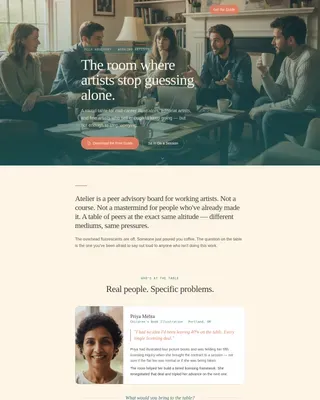
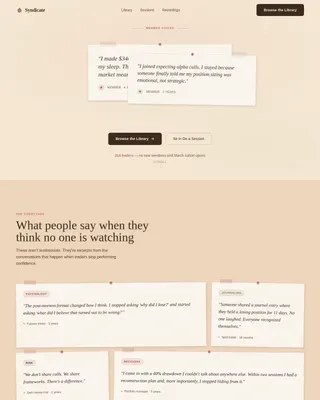
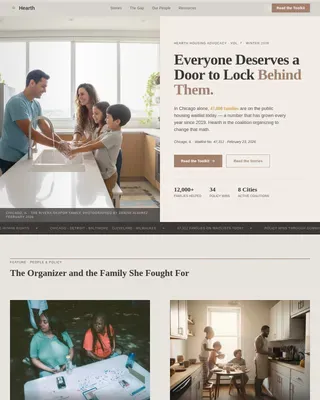
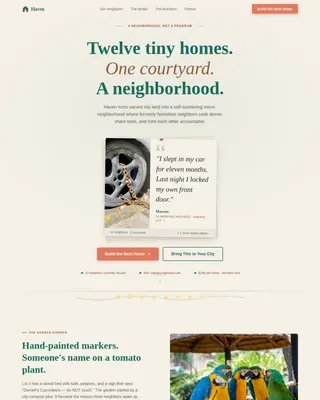
The Equity Healing Space Economic Equality Landing Page Template is built for direct service nonprofits helping families access housing, benefits, and economic justice. It uses a masonry community gallery layout, a full-viewport manifesto header, and a persistent call-to-action button to move visitors toward a single goal: finding the right service pathway. Warm botanical colors and serif typography create a space that feels grounded, dignified, and trustworthy.
by Rocket studio
Quick summary
This template gives economic equality direct service providers a landing page that feels like a community center, not a charity plea. A full-viewport manifesto opens the experience. A masonry gallery of stories, numbers, and programs earns the scroll. Every design choice creates space for people to feel included, informed, and ready to act.
Who this template is for
This template is built for organizations where equity is the core of every program. It works best when your work centers real people and real outcomes, not abstract policy.
- Nonprofit direct service providers focused on housing, benefits, or economic justice
- Community legal aid organizations supporting families through hearings and applications
- Advocacy groups building trust with populations who have faced systemic barriers
What problem this template solves
Many nonprofit landing pages treat visitors like recipients rather than rights-holders. The difference between a page that converts and one that alienates often comes down to tone, trust, and design. This template addresses that gap directly.
- Visitors from marginalized communities often arrive with low trust and limited time
- Standard layouts fail to communicate competence and warmth at the same time
- Organizations lack a clear way to funnel different needs toward a single intake action
What you get with this template
You get a fully structured, single-page layout built around one conversion goal: connecting visitors to the right service. Every section has a clear role, and the visual system reinforces the message at every scroll point.
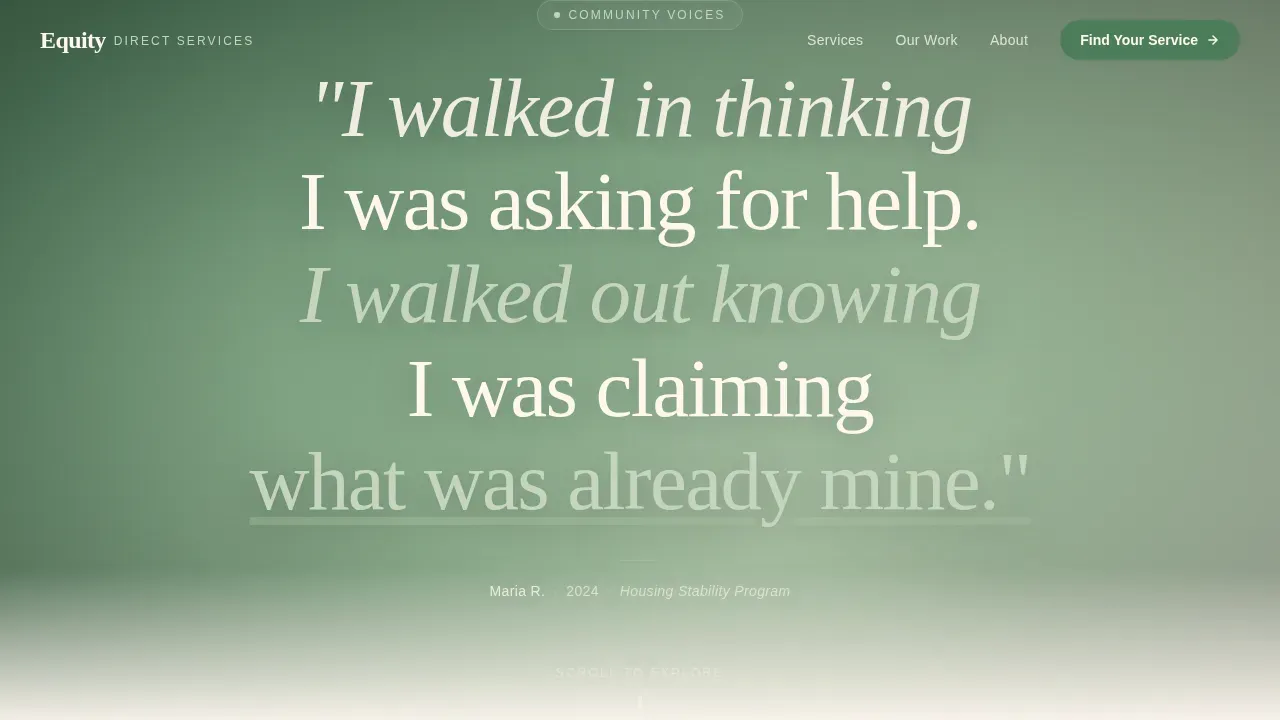
- Full-viewport manifesto hero with slow-breathing layered gradient and large serif quote
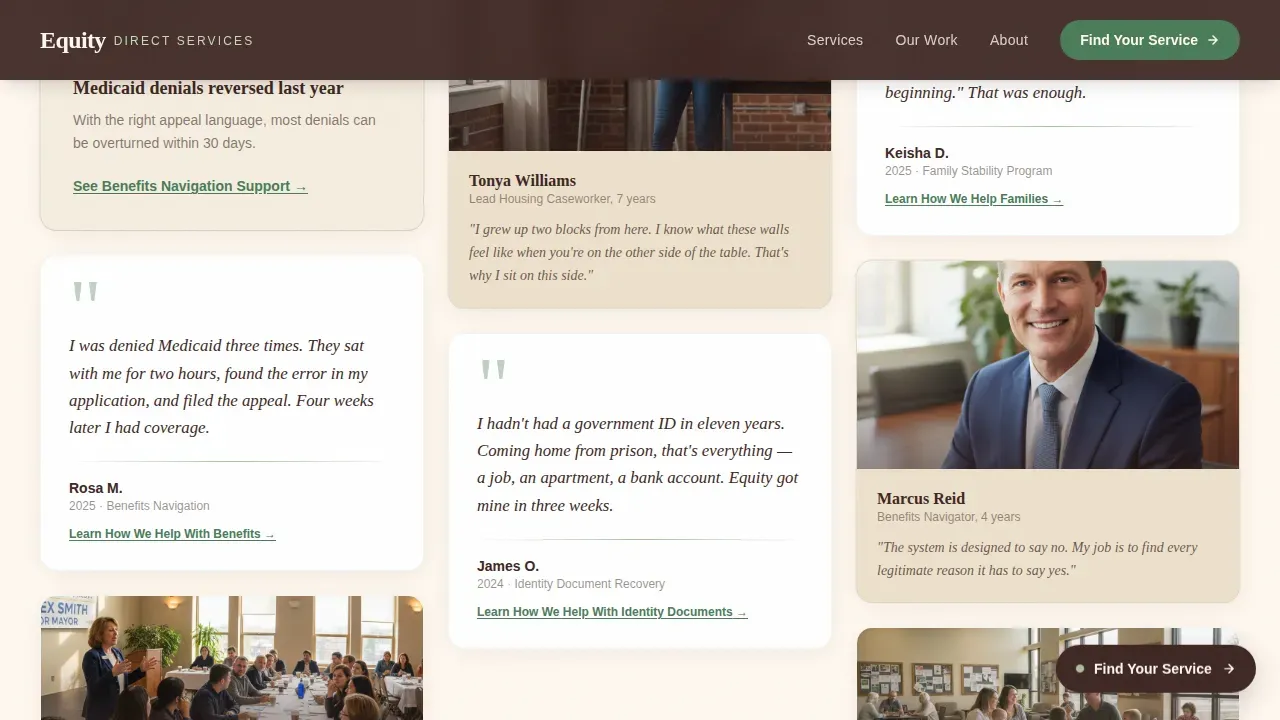
- Masonry community gallery with mixed-height cards for testimonials, programs, data, and event recaps
- Persistent floating call-to-action button and a services grid with four pathways to intake
Feature list
This template includes purpose-built sections and design choices that serve both the organization and the people it supports.
Full-Viewport Manifesto Header
White serif text sits on a layered sage and cream gradient. A single client quote fills the screen. Attribution appears in small type below. The space breathes before the first card appears, giving visitors a moment to feel oriented before they scroll.
Masonry Community Gallery
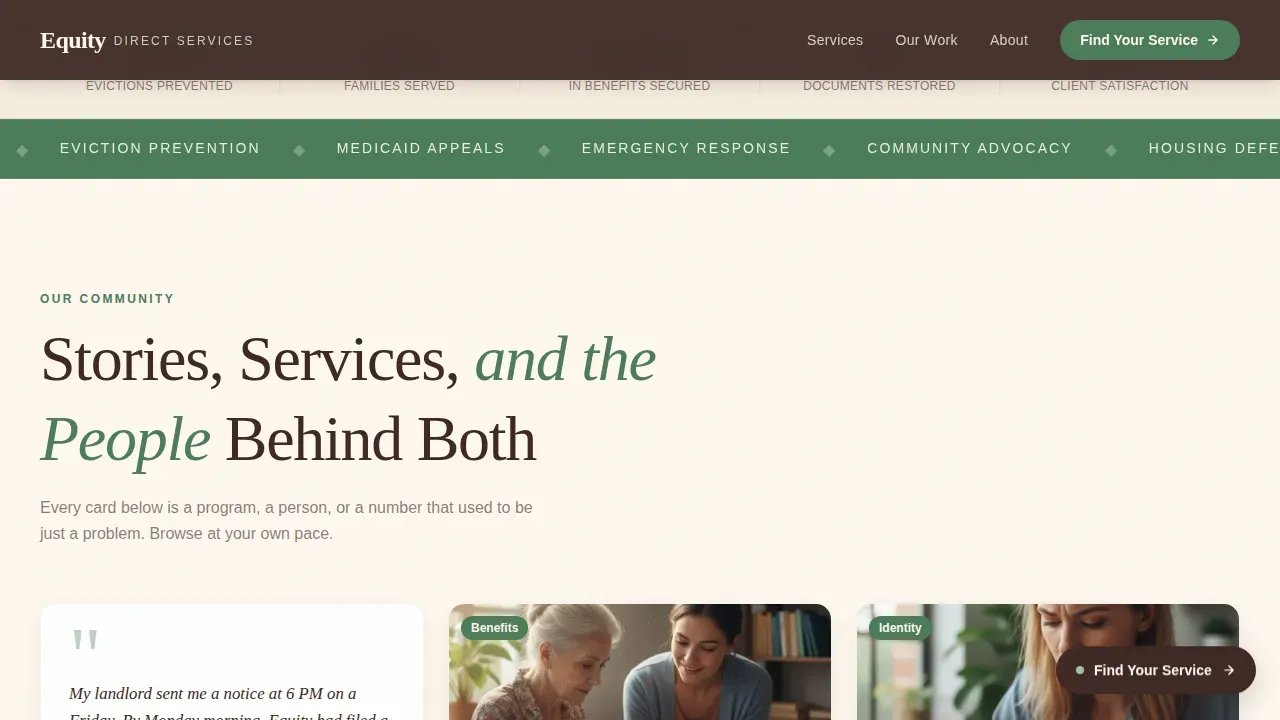
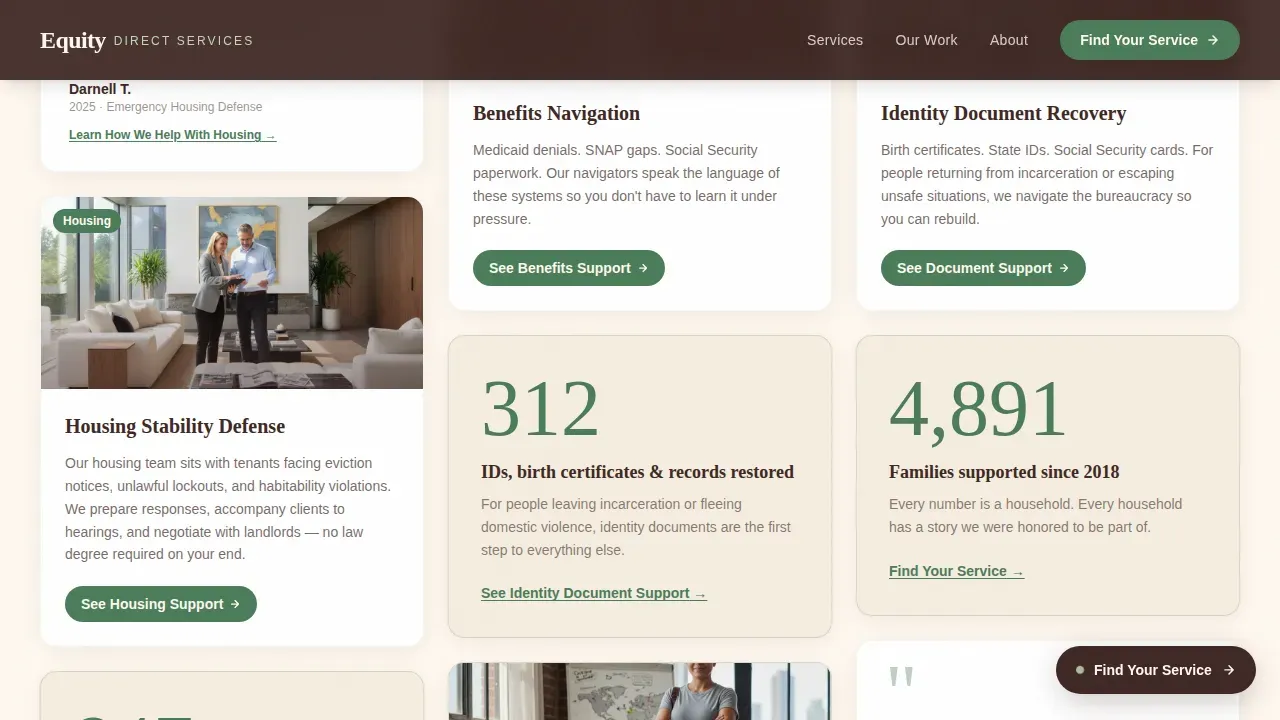
Mixed-height cards create a living wall of stories and impact. Card types include client testimonials with pull quotes, program descriptions, staff candid photo cards, event recaps, and data cards showing numbers like evictions prevented. The rhythm alternates between emotional and informational to keep visitors engaged.
Services Grid with Category-Linked Actions
Four service pathways each carry a secondary call-to-action. Each action links to the same intake page with a pre-selected service category. This design makes it easy for visitors to access the right help without friction.
Persistent Floating Call-to-Action
A soil-brown button labeled "Find Your Service" follows the scroll. It stays visible across the full page so visitors always have a clear next step, regardless of where they are in the gallery.
Impact Numbers Bar
A horizontal stats strip shows high-level outcomes in living fern green type. Numbers like families served and benefits secured help the audience quickly understand the organization's reach and build confidence before reading further.
Page sections overview
| Section | Purpose |
|---|---|
| Manifesto Hero | Opens with a full-viewport client quote on a layered gradient |
| Impact Numbers Bar | Displays key outcome stats in a horizontal strip |
| Masonry Community Gallery | Mixed-height cards with stories, data, and program details |
| Services Grid | Four pathways linking visitors to the intake page |
| Floating Call-to-Action | Persistent scroll-following button for intake access |
| Footer | Single-row linear footer on soil brown background |
Design & branding system
The botanical color palette creates environments that feel warm, grounded, and dignified. Typography reinforces trust through contrast between a humanist serif headline face and a clean body font.
- Deep soil brown (#3E2723) anchors the navigation and footer; living fern green (#4A7C59) activates cards and accents; soft petal cream (#FFF8F0) serves as the primary canvas; healing sage (#A8BFA0) appears on hover states and dividers
- Fraunces serif handles all headlines to create authority and warmth; DM Sans handles body text for clarity and legibility
- Visuals are designed to be respectful and representative of community strengths, featuring people in positions of agency rather than need
Mobile & speed optimization
Many people who use direct service organizations access the web on phones, often on slow connections or older devices. This template is built mobile-first to ensure it works right for the people who need it most.
- Staggered masonry card reveals use Intersection Observer so cards load as they enter the viewport, keeping the experience smooth on lower-bandwidth connections
- Scroll-linked animations and CSS smooth-scroll behavior are implemented without heavy dependencies
- The floating call-to-action button is sized and positioned for thumb-friendly access on small screens
How this template helps you convert
The goal of this template is simple: move visitors from uncertainty to action. Every section is working toward that single outcome.
- The manifesto header earns emotional trust before asking for anything, so visitors feel respected and oriented from the first moment
- The masonry gallery builds proof through volume, showing a range of stories, faces, and numbers that answer the question "can they really help me?" before it is asked
- The services grid and floating button ensure visitors always have a visible, low-friction path to the intake page, no matter where they are on the page
Other information about this template
This template reflects equity design principles that align with broader frameworks for health equity and public health practice. Equity and equality are related but distinct terms. Equality means providing the same resources to everyone. Equity means providing different resources based on individual needs to ensure the same opportunity for success. This distinction matters deeply for how organizations communicate their vision and their approach.
The Inclusive Healthy Places Framework defines principles and metrics to guide public space projects that support health equity. Real-world examples like Folkets Park in Copenhagen show the value of community engagement and trust-building among diverse stakeholders. Salesforce Tower in San Francisco has implemented a range of programs supporting diversity and inclusion. CBRE's headquarters features spaces designed for neurodiverse employees and individuals with a physical disability, showing what inclusive environments look like in practice. Frameworks like these, and funders like the Robert Wood Johnson Foundation, support the kind of work this template is designed to represent.
No-code solutions make it possible to build and use this template without technical expertise. AI tools can help teams evaluate and adapt design choices to better serve their audience. Stay tuned for additional content block options as the template library grows.
- This template is a single-page, click-through layout. It is not a multi-page website.
- Brand and partnership logos can be included as trust indicators in the impact bar or footer.
- The color system and typography are fully editable to match your organization's existing identity.
- Social proof elements such as testimonials and impact numbers are placeholder-ready and easy to update.
Theme
Healing Space
Creative direction
Community Gallery
Color system
Botanical
Style
Masonry/Pinterest
Direction
Click-Through
Page Sections
Full-viewport Manifesto Header
Masonry Community Gallery
Services Grid with Intake Links
Persistent Floating Call-to-action
Impact Numbers Bar
Botanical Color and Typography System
Related questions
Can this template support people navigating housing and benefits issues?
Is this template suitable for mobile users?
How does the masonry gallery handle different types of content?
Can I use my own photos and client stories?
Does this template work for organizations focused on health equity?