Advanced Nursery & Plant Farm Portfolio & Case Study Website Template
Rootstock is a gallery and detail landing page template built for native plant nurseries. It combines an almanac-style seasonal scroll, animated impact counters, clickable plant cards with species detail overlays, and a zip code-matched planting guide form. The design uses an earthy Forest Trust palette and field journal typography to educate visitors before asking them to shop or subscribe.
by Rocket studio
Quick summary
Rootstock is a single-page landing page template designed for native plant nurseries selling to homeowners, restoration ecologists, and landscape architects. It leads with living impact counters, scrolls through a seasonal almanac gallery, and closes with a regional planting guide form. The design feels like an honest field journal, not a corporate catalog.
Who this template is for
This landing page template serves nurseries that grow plants with a story worth telling. It works equally well for small-batch propagators and larger wholesale operations that ship plants across multiple seed zones.
- Homeowners replacing turf with wildflowers, grasses, and understory trees who want to find the right plants for their garden
- Restoration ecologists and landscape architects who need technical species information, bloom timing, and soil requirements before they order
- Native plant nurseries ready to create a polished website that balances ecological education with easy e-commerce features
What problem this template solves
Most nursery websites make visitors choose between pretty photos and useful plant information. Native plant buyers need both. They want to feel confident before they shop, and they want that confidence delivered fast.
- Visitors leave nursery websites without buying because they cannot find species detail, soil requirements, or regional availability in one easy place
- Generic website templates lack the seasonal storytelling structure that helps native plant nurseries convey the propagation cycle and increase buyer trust
- There is no obvious path to a personalized resource, so visitors search elsewhere and the nursery loses the relationship before it starts
What you get with this template
This landing page template gives you a complete, story-driven website structure that earns the visitor's trust through education, then guides them toward a purchase or guide download.
- An animated impact counter dashboard, a four-season almanac gallery with clickable plant cards, and a species detail overlay system built into the landing page flow
- A zip code and email form that matches visitors to their regional planting guide, so each person can receive a guide tailored to their seed zone
- A full design system using Forest Trust colors, Fraunces serif headings, and DM Sans body text, ready to customize and ship to any native plant nursery brand
Feature list
This landing page template ships with a tightly scoped set of design and interaction features. Every component was planned for nurseries that need to educate visitors and convert them into buyers or subscribers.
Living Impact Counter Dashboard
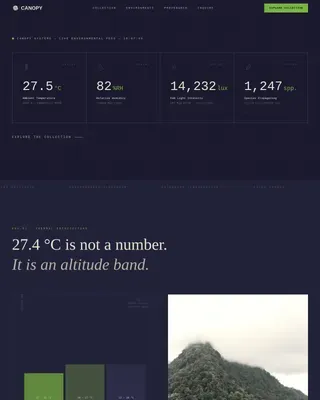
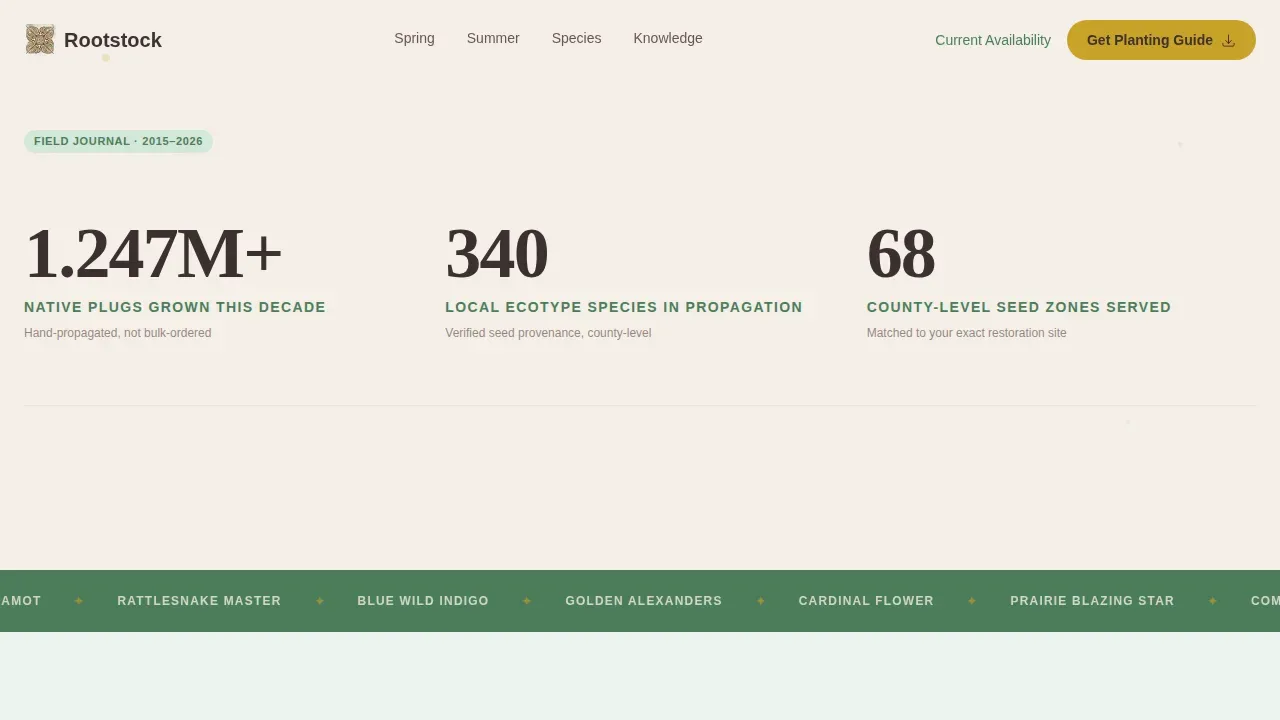
The header section opens with three animated counters that tick upward on page load. Each counter displays a nursery milestone such as plugs grown, species in propagation, or seed zones served. The design creates immediate credibility without feeling corporate.
Seasonal Almanac Gallery Scroll
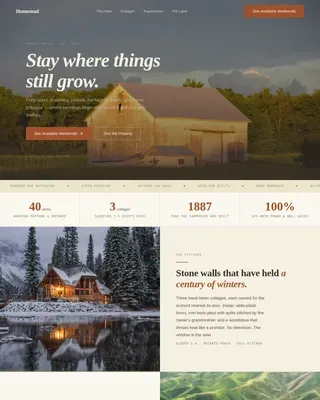
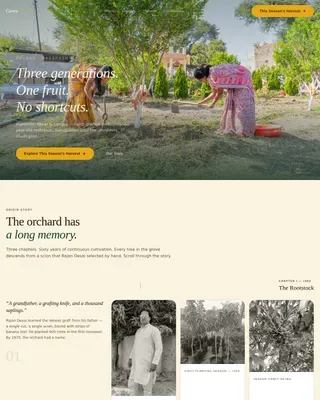
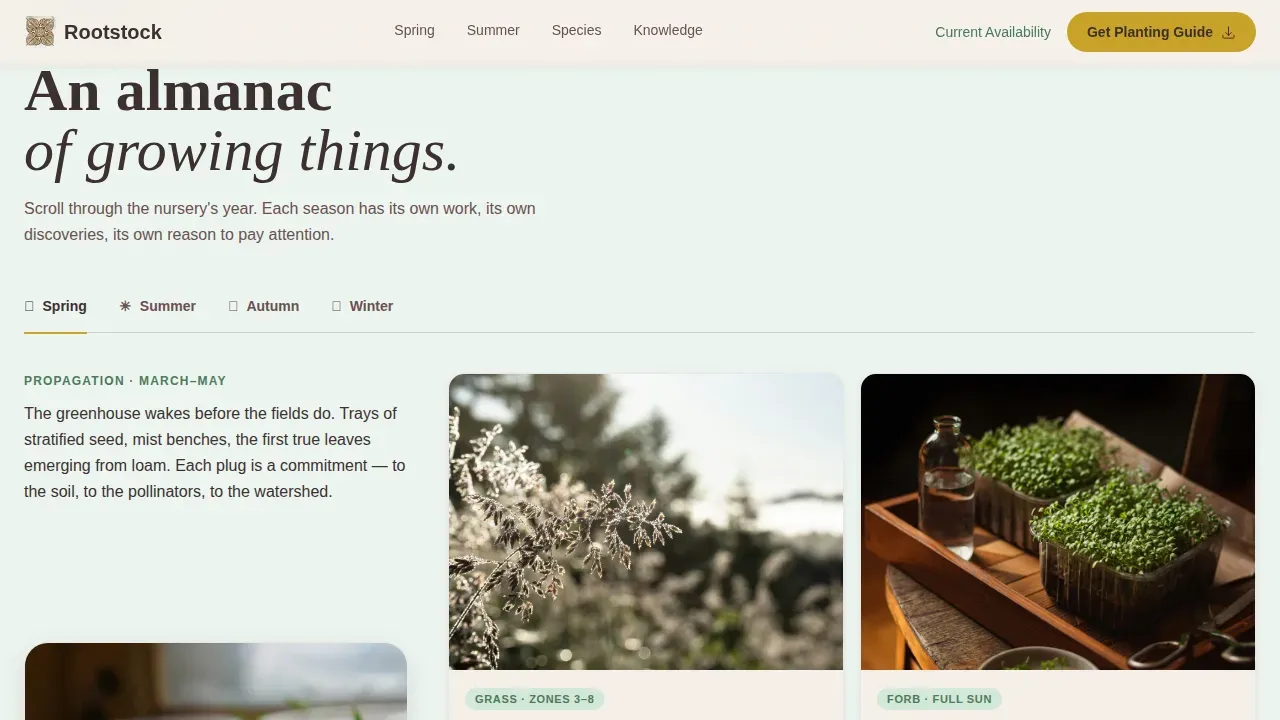
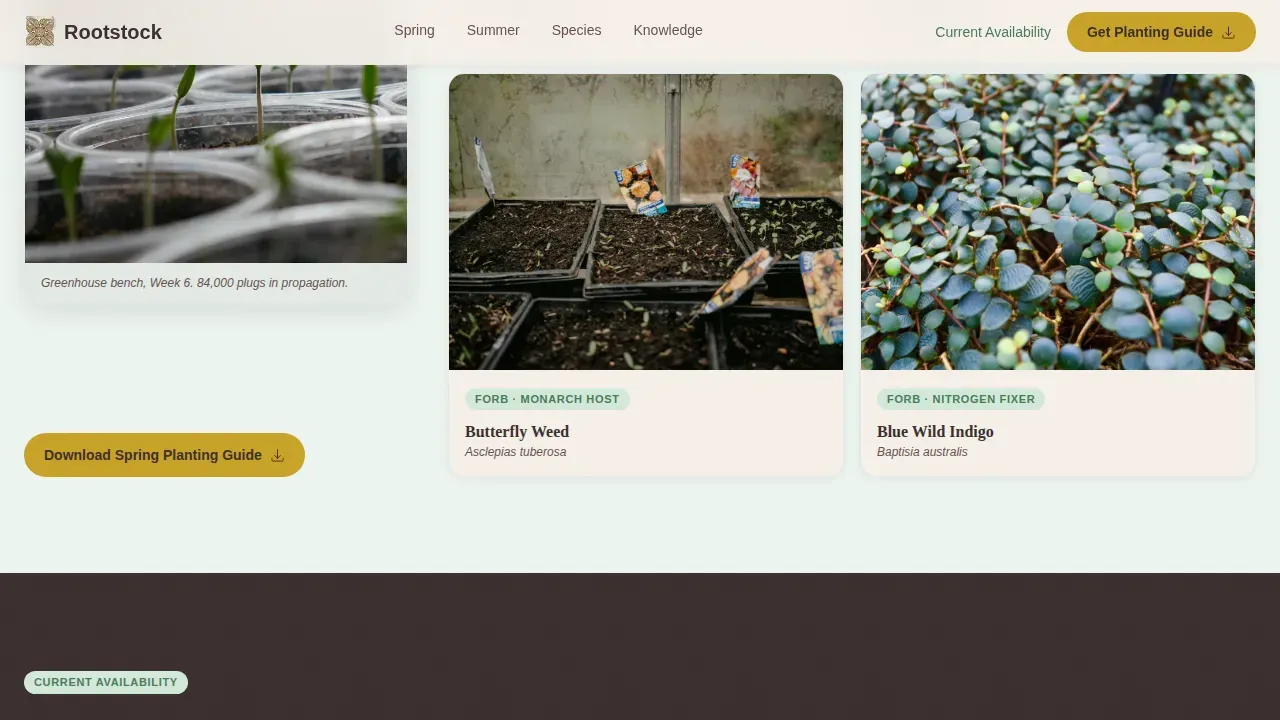
The page is structured as a four-season scroll: spring propagation, summer establishment, autumn seed harvest, and winter planning. Each season contains gallery cards for plants with clickable overlays that reveal bloom time, soil requirements, and growth notes. The scroll carries the visitor through the nursery's full year in a single landing page session.
Clickable Plant Card Overlays
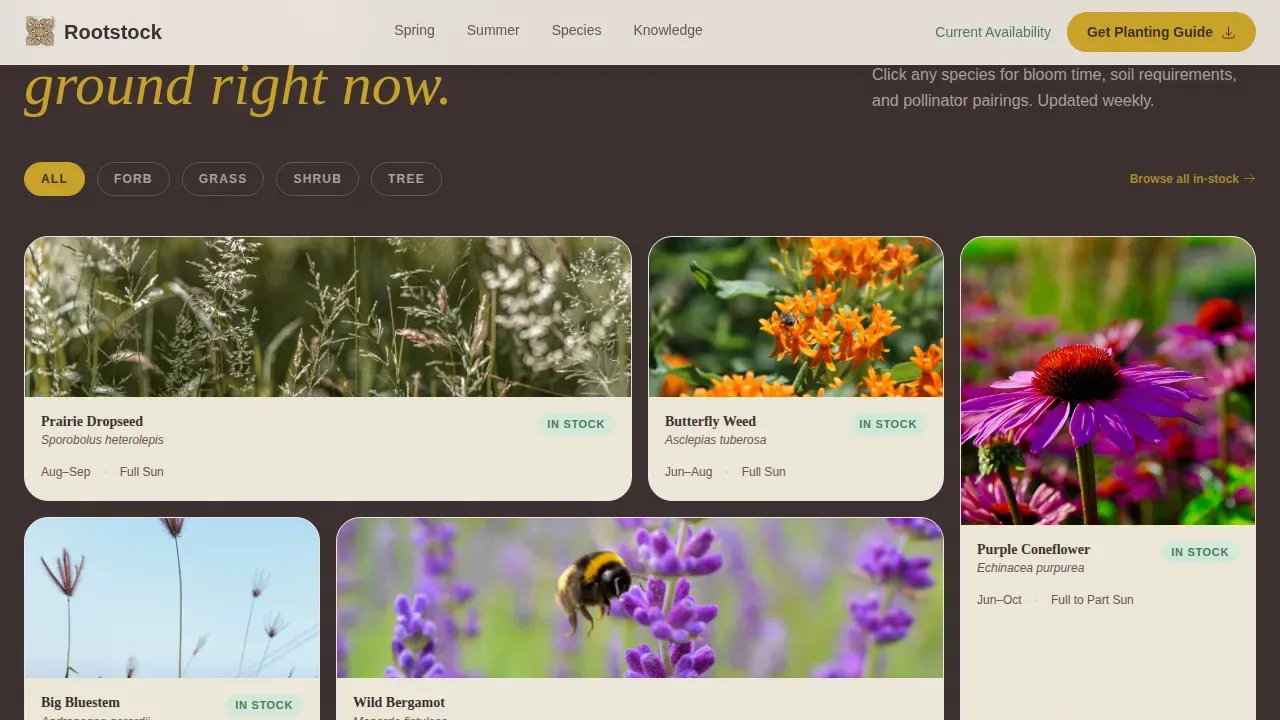
Each plant card in the gallery landing page opens a detail overlay. The overlay shows species information, bloom timing, light and moist soil conditions, and current availability. Visitors can search by plant type and filter the gallery to find exactly what they need before they shop.
Regional Planting Guide Form
At each seasonal transition point, the landing page surfaces a conversion form. Visitors enter a zip code and email address to receive a planting guide matched to their USDA seed zone. The form is easy to complete and is designed to send the right guide automatically.
Pollinator and Soil Education Cards
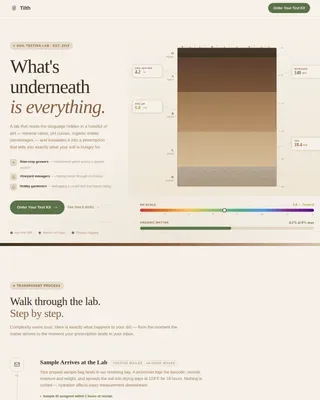
Between gallery sections, the landing page displays education cards covering bloom charts, pollinator pairings, and soil preparation timelines. These cards help visitors feel informed and save them from needing to search for information elsewhere before they order plants.
Forest Trust Design System
The template uses a complete color and typography design system. Deep loam brown, fern-frond green, pale seedhead cream, and mycorrhizal gold each serve a specific role across the landing page. Fraunces serif headings and DM Sans body text create an almanac-quality reading experience on every screen.
Page sections overview
| Section | Purpose |
|---|---|
| Impact Counter Dashboard | Displays nursery milestone stats with animated tick-up counters |
| Seasonal Almanac Scroll | Scrolls visitors through spring, summer, autumn, and winter plant stories |
| Featured Species Gallery | Grid of clickable plant cards with species detail overlays |
| Pollinator Education Cards | Bloom charts and pollinator pairing guides that build buyer confidence |
| Regional Guide Form | Zip code and email form that matches visitors to their seed zone guide |
| Page Footer | Horizontal flow footer with nursery contact and navigation links |
Design & branding system
The Rootstock landing page design follows a Garden and Growth theme anchored in the Forest Trust color system. Every color choice reflects the physical world of native plant propagation, not a generic website palette.
- Deep loam brown (#3B2F2F) anchors headers and the footer; pale seedhead cream (#F5F0E8) dominates the background like a sun-bleached field guide; fern-frond green (#4A7C59) lives in cards, tags, and section dividers
- Mycorrhizal gold (#C9A227) appears sparingly on links, hover states, and call-to-action buttons, creating a rewarding moment each time the visitor reaches a conversion point
- Fraunces serif headings carry the almanac quality of the design, while DM Sans body text keeps plant detail information clear and easy to read at any size
Mobile & speed optimization
The landing page is built desktop-first for the landscape architects, restoration ecologists, and wholesale buyers who work on large screens. Mobile layout is fully supported for homeowners browsing in the garden or on a nursery visit.
- Static sections use server components to load fast, while animated counters and interactive plant card overlays load as client components only when needed
- The gallery landing page design maintains a clean grid at every breakpoint so plant cards, species overlays, and the planting guide form remain easy to use on any device
- Click-to-call and tap-friendly buttons are present throughout the mobile layout so visitors can contact the nursery or shop plants without friction
How this template helps you convert
Rootstock is built around the principle of giving knowledge before asking for a commitment. By the time a visitor reaches a call to action, they already trust the nursery.
- The impact counter dashboard and seasonal almanac gallery create authority and emotional connection early in the landing page, so visitors are already invested when they reach the guide download form or the shop link
- The regional planting guide form captures an email address and zip code in exchange for genuinely helpful, personalized information, making it easy for the nursery to follow up and increase repeat orders over time
- Secondary calls to action such as "Browse Current Availability" direct engaged visitors straight to in-stock plants, shortening the path from education to purchase and reducing the number of visitors who leave without taking action
Other information about this template
This landing page template is shaped by the same design standards that define the best native plant nursery websites today. The following context is helpful for buyers evaluating whether Rootstock fits their brand and audience.
- Native plant nursery websites like those built for suppliers known for a wide variety of native plants, including trees, shrubs, and grasses, have shown that a nature-inspired color palette combined with professional typography can establish authority quickly on a nursery landing page
- Nurseries in the Northeast, including those in NY and VT, that focus on native trees, shrubs, and pollinator plants can adapt this template to their regional species lists and seed zones without rebuilding the core design
- The rootstock native plant nursery gallery landing page template supports a Custom Plant Kit-style offering, such as a 32-plant selection of up to six species from more than 100 plants, which can save customers up to 33% compared to individual plant pricing, with kits priced around $149.00
- An interactive availability tool built into the species gallery lets visitors check inventory by plant name, type, and size, similar to the dynamic inventory tools used by established nursery websites and wholesale suppliers
- Oct is a common peak season for seed harvest sections of the almanac scroll; nurseries in colder zones can adjust the seasonal labels to match their local propagation calendar
- Educational resources in the landing page, such as information on how native plants improve soil health and reduce runoff, reflect the same standards used by leading native plant education nurseries
- The design is ready to use as a source for multiple homepage layout variations, and the layered component structure makes it straightforward to adapt the landing page for wholesale versus retail audiences
Theme
Garden & Growth
Creative direction
Seasonal/Moment
Color system
Forest Trust
Style
Gallery + Detail
Direction
Content/Resource
Page Sections
Living Impact Counter Dashboard
Seasonal Almanac Gallery Scroll
Clickable Plant Card Overlays
Regional Planting Guide Form
Pollinator and Soil Education Cards
Forest Trust Design System
Related questions
Can I use this landing page template for both retail and wholesale nursery audiences?
Does the planting guide form require visitors to create an account?
How customizable is the Forest Trust color and typography design?
Is this template suitable for nurseries that ship plants across multiple states?
What types of plants does this template design work best for?