Local Regional & Specialty Restaurant Professional Website Template
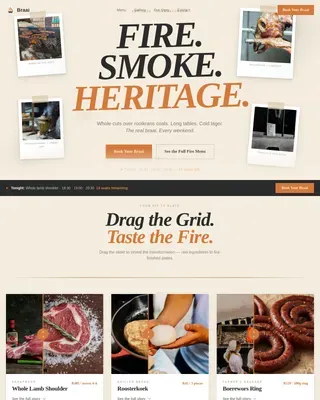
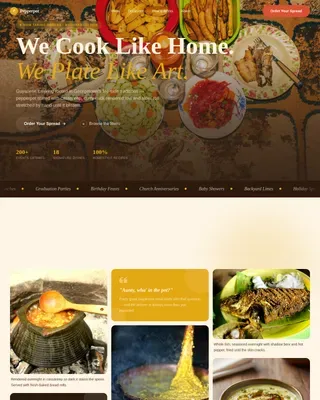
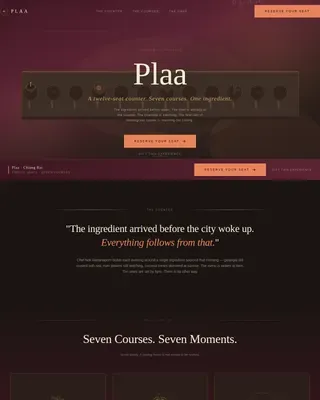
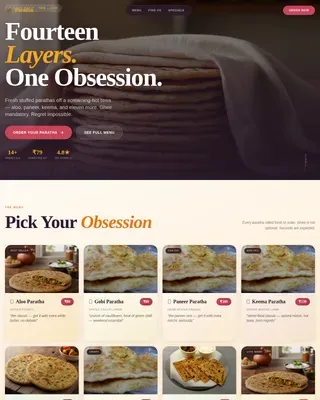
The Jalebi Neo-Retro Chaat Corner landing page template is a modular, card-grid marketplace layout built for Indian street food stalls and chaat vendors. It combines a full-screen video hero, before-and-after reveal menu cards, a floating cart builder, and a Sunset Mesa color palette to turn casual visitors into hungry, order-ready customers on any device.
by Rocket studio
Quick summary
This template brings the sizzling energy of an Indian street food corner to a modern, orderable landing page. Bold Neo-Retro visuals, a full-screen video hero, and draggable before-and-after menu cards work together to build appetite section by section. Vendors can showcase every dish from single jalebis to full catering trays, all within one flowing, mobile-first page layout.
Who this template is for
Street food vendors, chaat stall owners, and regional restaurant operators across India will find this template purpose-built for their needs. Whether you run a breakfast cart near an office block, a family-owned restaurant in the city, or a weekend bazaar stall that packs out by noon, this layout handles your use case. It is equally suited to food entrepreneurs who are just launching their first online presence and want to look as vivid and alive as the dishes they cook and serve.
- Street food vendors and chaat corner owners who want to accept orders directly from a mobile-friendly page
- Restaurant operators and cafe owners showcasing a regional Indian cuisine menu with strong visual identity
- Event caterers and family food businesses looking to drive catering inquiries alongside everyday orders
What problem this template solves
Most food business pages look sterile. They list dishes in plain text, use generic photos, and give visitors no sense of what the food actually tastes like. That gap costs orders. When a customer visits your page on a mobile phone during a 4 PM craving, the page has about two seconds to make them hungry before they leave. This template closes that gap with motion, color, and appetite-building interactivity built directly into the layout.
- Static food pages fail to communicate the live, sensory energy of a real street food stall
- Generic layouts do not reflect the personality and regional story that makes a chaat corner worth visiting
- Most food pages lack a fast, intuitive path from "hungry" to "order placed", especially on mobile
What you get with this template
You get a complete, single-page landing page built around a modular card grid that doubles as an ordering interface. Every section is fully structured and ready to populate with your menu, images, and brand copy. The layout is designed to escalate appetite as visitors scroll, moving from individual items to combo platters to catering options without the user needing to navigate away.
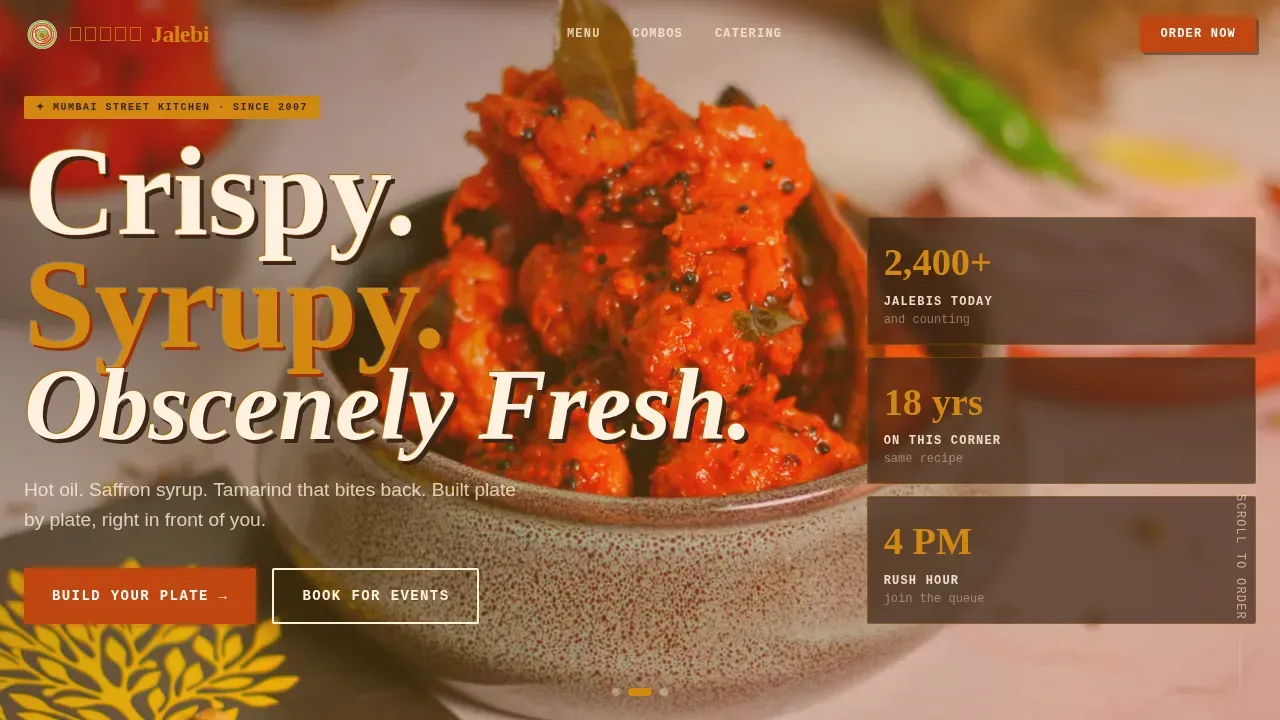
- A full-screen video hero section with a bold Neo-Retro headline overlay and a supporting stats column
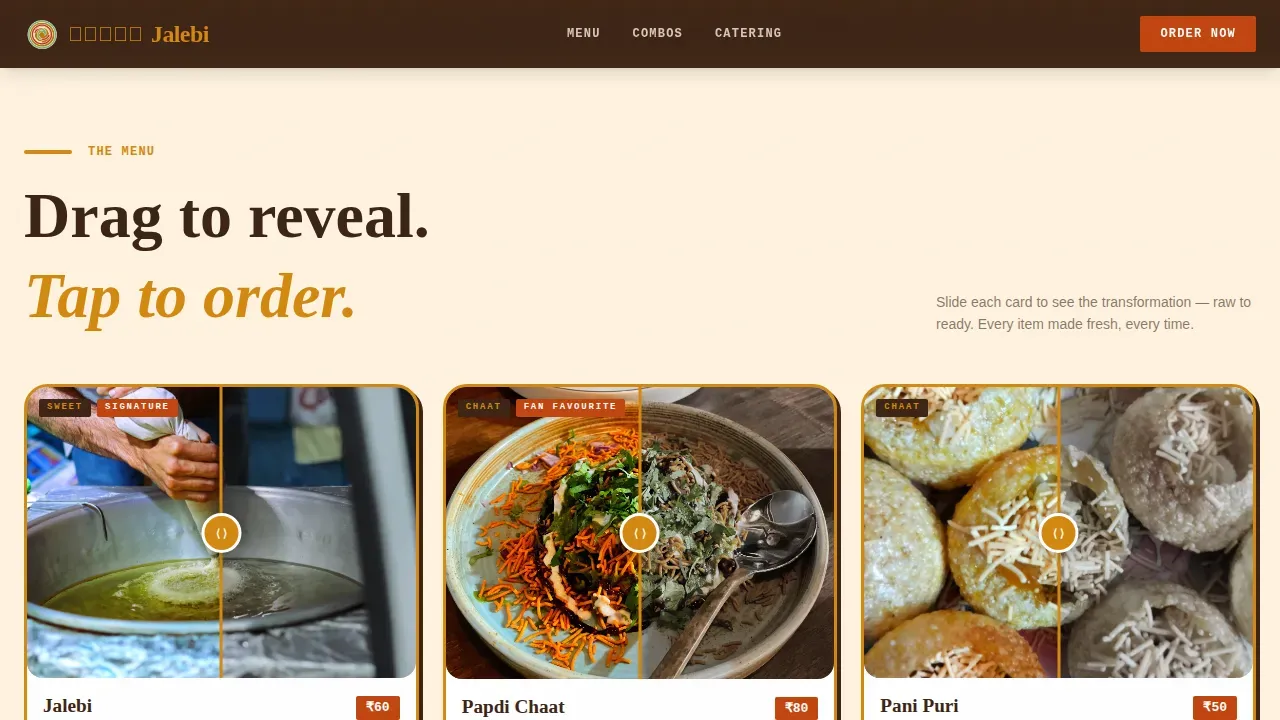
- A before-and-after reveal menu grid where each card shows the transformation from raw ingredients to a finished dish, complete with quantity steppers and "Add to Plate" buttons
- A floating bottom cart bar that updates item count and total in real time, plus secondary call-to-action sections for event booking and live location linking
Feature list
This template is built around a specific set of interactive and visual components. Each one serves a deliberate role in the ordering experience.
Full-Screen Video Hero with Neo-Retro Overlay
The hero section opens with a full-screen video background. The video direction calls for an overhead, tightly cropped shot of a jalebi maker's hands pressing batter in concentric spirals into a kadhai of hot oil. The footage is color-graded to match the Sunset Mesa palette, and the video begins mid-spiral the moment the page loads. No fade-in, no delay. A bold headline sits centered over the footage, and a stats column anchors the right edge. The hero sets the visual and emotional tone for every section that follows.
Before-and-After Reveal Menu Cards
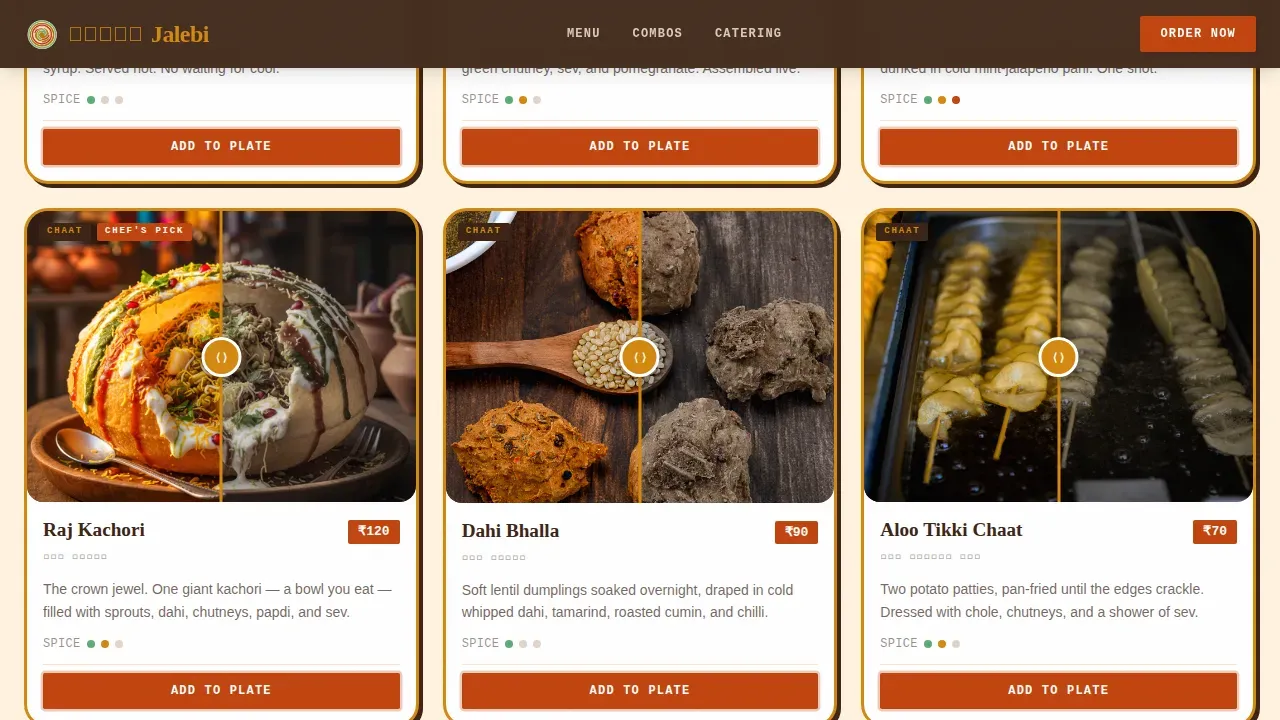
Each menu card in the modular grid features a draggable before-and-after reveal slider. The left side shows raw ingredients: a mound of dry papdi, plain yogurt, unassembled sev, or a bare puri. Drag right and a fully loaded, garnished dish appears. Dahi papdi chaat erupts with tamarind chutney and pomegranate. A naked plate becomes raj kachori. Plain dough becomes golden, syrup-drenched jalebi. Each card also auto-plays a two-second micro-video of that dish being assembled when it enters the viewport. This combination of drag interaction and micro-video makes scrolling feel like walking deeper into a live stall.
Modular Orderable Card Grid
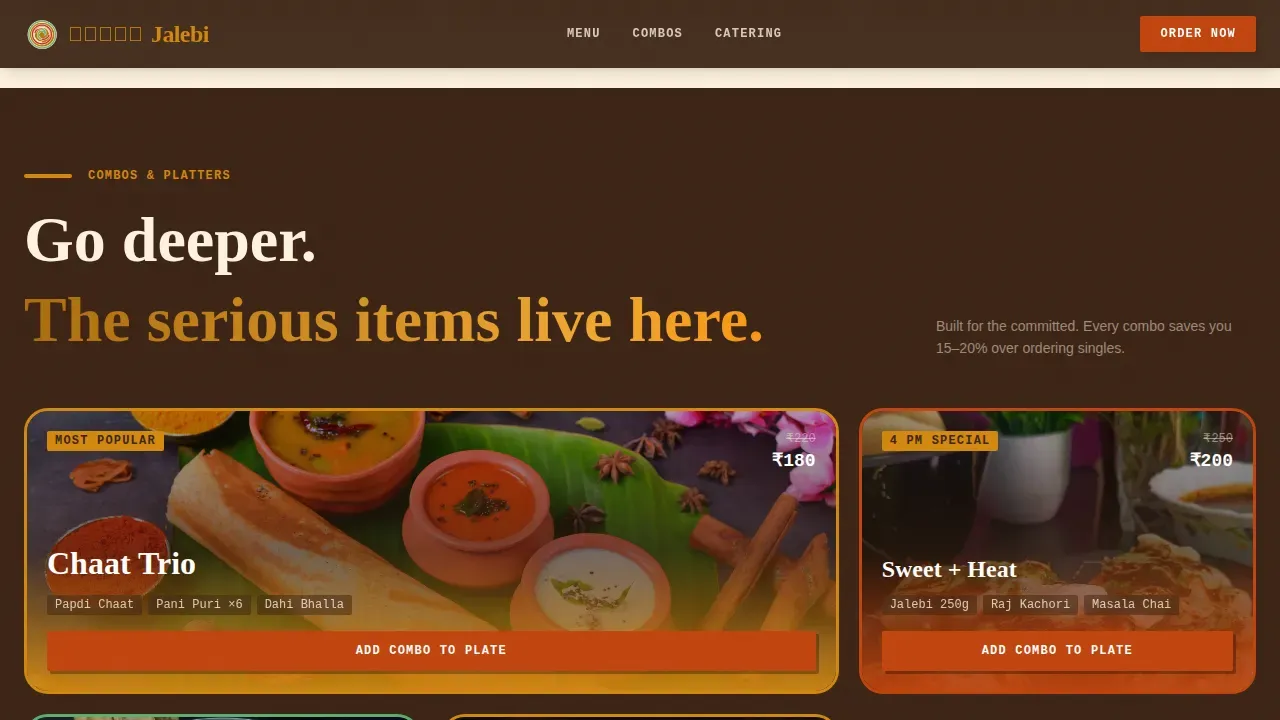
The card grid is the core of the layout. Cards are organized into escalating tiers: singles, combo platters, and catering trays. Each card functions as an orderable item with a quantity stepper and a prominent "Add to Plate" button styled in tamarind red. As the visitor scrolls, dishes grow richer and more loaded, so the visual escalation mirrors the experience of moving from the front of a stall toward the serious menu items at the back. The grid is fully modular, meaning each card can be replaced or reordered to match your actual menu.
Floating Cart Builder Bar
A sticky floating bar is pinned to the bottom of the viewport throughout the scroll. It displays a running item count and a live order total in INR. The primary call to action reads "Build Your Chaat Plate" and updates dynamically as items are added. This bar keeps the ordering action visible at all times without interrupting the visual experience of the page above it.
Personality Marquee and Scrolling Ticker
A dedicated "Who we are" section uses a horizontally scrolling ticker to communicate brand personality in short, punchy phrases. This section breaks the menu rhythm and gives the food business a voice, which is especially important for street food vendors whose personality is as much a draw as their dishes. It sits between the menu grid and the combo platter section, giving visitors a moment to connect with the brand before they commit to a larger order.
Dual Call-to-Action Catering Section
The lower section of the page splits into two parallel paths. The first is "Book for Events", which routes catering inquiries through a structured request form. The second is "Find Our Cart", which links to a live location map so mobile users can find the physical stall instantly. These two paths serve different customer types on the same scroll, making the section efficient without feeling crowded.
Page sections overview
| Section | Purpose |
|---|---|
| Full-Screen Hero | Opens with live video and bold Neo-Retro headline |
| Stats Column | Anchors live social proof numbers in the hero |
| Menu Card Grid | Showcases orderable dishes with before-and-after sliders |
| Micro-Video Cards | Auto-plays two-second assembly clips per dish |
| Personality Marquee | Scrolling ticker communicates brand voice |
| Combo Platter Grid | Escalates from singles to bento-style combo trays |
| Catering Inquiry Form | Routes event and bulk order requests |
| Find Our Cart | Links to live stall location map |
| Floating Cart Bar | Persistent order summary pinned to viewport bottom |
| Footer Row | Single-row linear footer with social and links |
Design & branding system
The visual identity follows a Neo-Retro direction inspired by hand-painted Bollywood cinema posters from the 1970s. The palette is saturated, unapologetic, and layered with the kind of energy you find in a famous Old Delhi chaat lane at peak hour. Every color choice is intentional and tied directly to the food it represents.
- Deep turmeric gold (#D4880F) is the primary brand color, used for headings and dominant card frames; charred cardamom brown (#3B2314) anchors contrast sections and backgrounds; chutney mint green (#5BAD6E) provides accent highlights; hot tamarind red (#C1440E) marks all call-to-action buttons and price labels
- Backgrounds alternate between warm cream (#FFF3E0), which reads like the folded newspaper lining a chaat plate, and the deep cardamom brown for high-contrast visual breaks
- Typography leans into vintage signage energy: Fraunces handles display and personality text with serif warmth; DM Sans carries body copy cleanly; JetBrains Mono renders prices and item labels in a way that feels like a handwritten stall tag; nostalgia-inducing grainy overlays and geometric borders complete the handcrafted feel
Mobile & speed optimization
This template is designed with a mobile-first build order, which reflects how street food impulse ordering actually works. A customer standing outside a stall or scrolling during a lunch break is almost always on a phone. The layout responds to that reality at every structural level.
- The card grid reflows into a single-column scroll on small screens, and the floating cart bar remains pinned and fully functional at every viewport size
- The full-screen hero video is prioritized for fast loading; all other video content across the menu cards loads lazily after the hero finishes, keeping the initial page experience fast and uninterrupted
- Cart state is managed in React, keeping the floating bar and item counts responsive without requiring a full page reload on every user interaction
How this template helps you convert
The conversion strategy built into this layout is straightforward: make visitors hungry before you ask them to order. Every structural decision, from the video hero to the escalating card grid, serves that single goal.
- The before-and-after reveal sliders and micro-video card animations create a visceral, appetite-triggering experience that static food photos cannot match, so visitors arrive at the cart bar already motivated
- The floating "Build Your Chaat Plate" bar remains visible throughout the entire scroll, removing any friction between the moment a visitor decides to order and the moment they act on that decision
- The dual catering and location call-to-action section captures two additional customer types, event planners and walk-in locals, within the same page flow, expanding the conversion surface without adding extra pages
Other information about this template
This template reflects the full depth and history of Indian street food culture. It is not a generic food layout with a spice filter applied. Every structural and visual decision draws from the real experience of visiting a chaat stall in India, whether that is a packed lane near Jama Masjid in Old Delhi, a vada pav cart near Vile Parle station in Mumbai, or a pav bhaji stall at a New Delhi night market. The template is equally relevant for vendors inspired by the street food traditions of cities from Andhra Pradesh to the bazaars of Old Delhi.
- The color system references the visual language of Indian sweets: jalebi is crispy on the outside, juicy and syrup-soaked inside, and the deep orange and turmeric gold tones in the palette capture that quality directly; the design feels like amazing food looks
- The page structure supports a wide range of Indian street food dishes beyond jalebi and chaat: vendors selling pani puri, vada pav, pav bhaji, daulat ki chaat, kebabs, grilled meats, stuffed bread rolls, onion fritters, or egg curry can adapt individual cards to their menu
- The menu grid can also support dishes that go beyond the sweet course: vendors who cook vegetables, serve light breakfast plates in the morning, or offer a full meal from a shared table will find the card format flexible enough to represent their full range
- Spices play a central role in how the menu cards are written and styled: chaat masala, tamarind chutney, lemon juice, coriander seeds, and flavored water used in pani puri are all ingredients that can be called out in card descriptions to add authenticity and make the food feel real before it is ordered
- The open kitchen energy of a live stall is represented visually through the video hero and card micro-videos: watching food being cooked and assembled in real time is one of the most powerful selling tools for a street food business, and this template puts that at the center of the page
- This template is well-suited for use with AI-powered no-code tools and natural language prompt-driven platforms; no-code platforms allow non-technical food business owners to build and launch production-ready applications quickly without traditional programming skills; AI integration in no-code tools can streamline the build process and help solopreneurs develop scalable applications efficiently
- The landing page supports a digital marketing strategy built around visually appealing images and video content; food businesses can share cards and clips directly to social media, and the page structure reinforces brand identity consistently across every touchpoint
- Vibe coding principles, which focus on creating sensory, emotionally resonant web experiences, are embedded in the design direction; food businesses can use this template to reflect their brand identity and create an experience that encourages visitors to explore the full menu before they leave
- Street food history across India, from the puffed rice dishes of coastal cities to the mashed potatoes stuffed inside vada pav on Mumbai's streets, to the flavored water poured into pani puri shells in Old Delhi lanes, is a living tradition that this template is built to honor and represent; vendors who carry that story in their food now have a page layout that carries it in their design; the hope is that every chaat corner, from a family house kitchen turned stall to a city restaurant with roots in street cuisine, finds this template a fitting home for their culinary adventure
Theme
Neo-Retro
Creative direction
Before/After Reveal
Color system
Sunset Mesa
Style
Card Grid (Modular)
Direction
Marketplace/Multi
Page Sections
Full-screen Video Hero with Bold Headline
Before-and-after Reveal Menu Cards
Modular Orderable Card Grid
Floating Cart Builder Bar
Personality Marquee and Scrolling Ticker
Dual Catering and Location Call-to-action Section
Related questions
Can I use this template for a food stall that sells dishes beyond jalebi?
How does the before-and-after slider work for menu cards?
Is the floating cart bar always visible while scrolling?
Can this template support a catering or event booking inquiry?
What typography and color styles are included in this template?