Accessible Community Health Landing Page Template
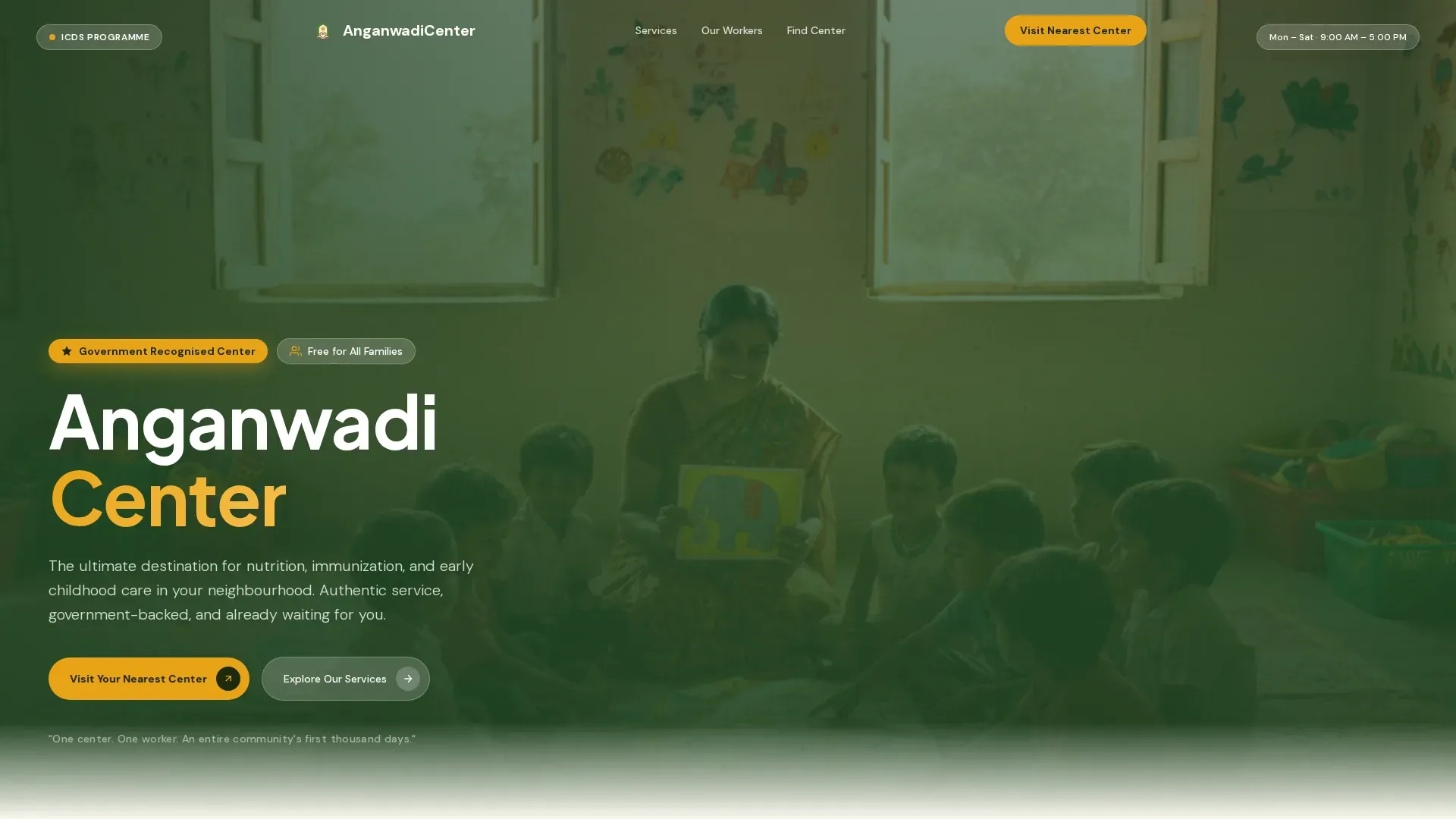
The Anganwadi trusted community health services landing page template is a single-column, mobile-first design built for Integrated Child Development Services (ICDS) centers across India. It leads with animated statistics, walks visitors through all six core services, and closes with two clear calls to action. Warm Forest Trust colors and village-school imagery create an instantly familiar, trustworthy experience for every community member who lands on the page.
by Rocket studio
Quick summary
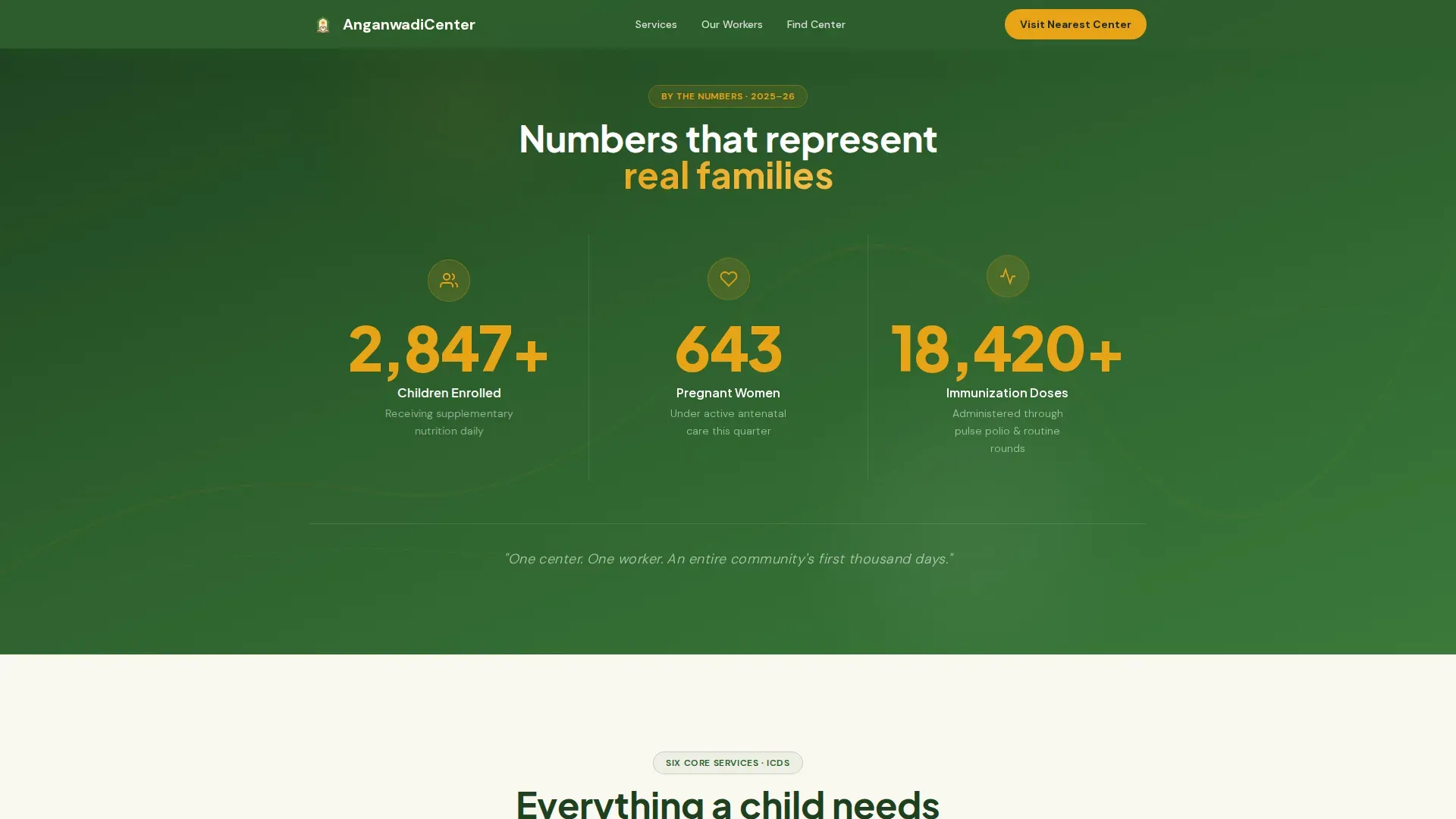
This template gives an Anganwadi or ICDS center a dignified, clear digital presence. It opens with three scroll-triggered counters showing children enrolled, pregnant women receiving antenatal care, and immunization doses delivered. From there, the page moves through all six ICDS services, a profile of the Anganwadi worker's daily role, and a strong call-to-action panel. The entire layout is warm, scannable, and built to help community members take informed action.
Who this template is for
This template is designed for anyone responsible for communicating ICDS services to local communities. It works equally well for center-level staff, district health officials, and NGO partners who need a clear digital touchpoint.
- Anganwadi center administrators and district health officers who want to create a trusted public-facing page
- Community health workers and ASHA workers looking to share service information with families in their catchment area
- Government departments and NGO partners who support women and child nutrition programs in semi-urban and rural India
What problem this template solves
Families in many bastis do not know exactly which services are waiting for them at their nearest center. Without a clear, mobile-friendly page, pregnant women, new mothers, and caregivers can miss critical entitlements. This template solves that communication gap directly.
- It replaces confusing multi-page documents with one focused, scrollable landing page that lists every service plainly
- It ensures that women with low-end Android phones can load and read center information quickly, without needing strong connectivity
- It removes the need to build a health services page from scratch, saving time and technical effort for teams with limited resources
What you get with this template
You get a fully structured single-column landing page that covers every major communication need for an ICDS center. Every section is pre-designed, purposeful, and ready to populate with your center's actual data.
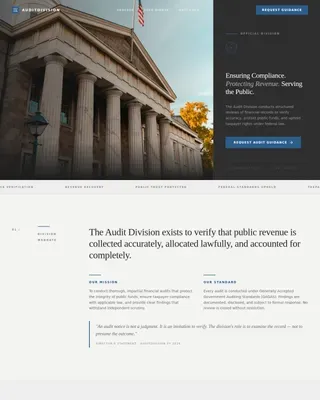
- A hero section with cinematic full-bleed imagery, large headline typography, and three animated statistics counters in marigold on sal green
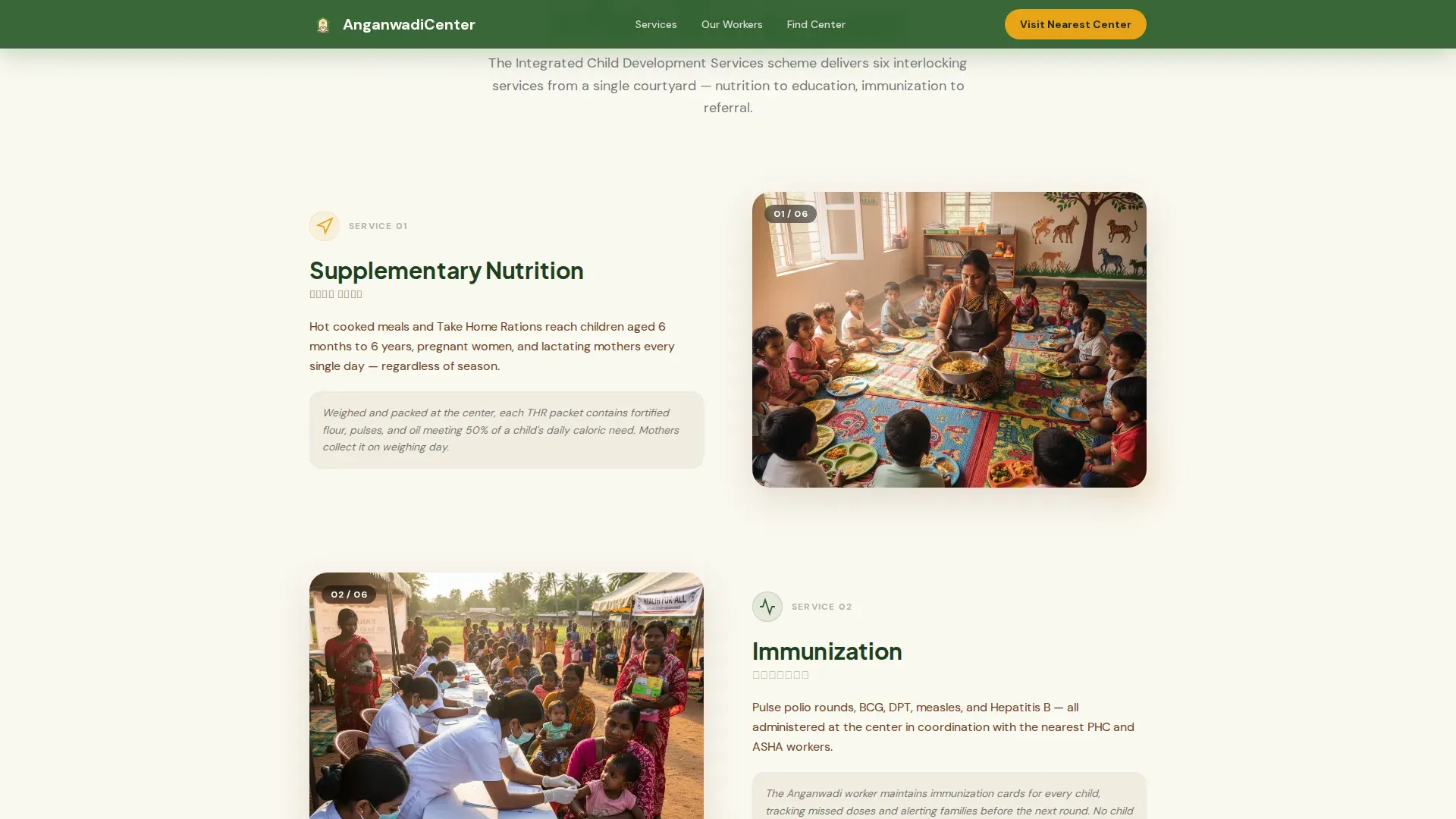
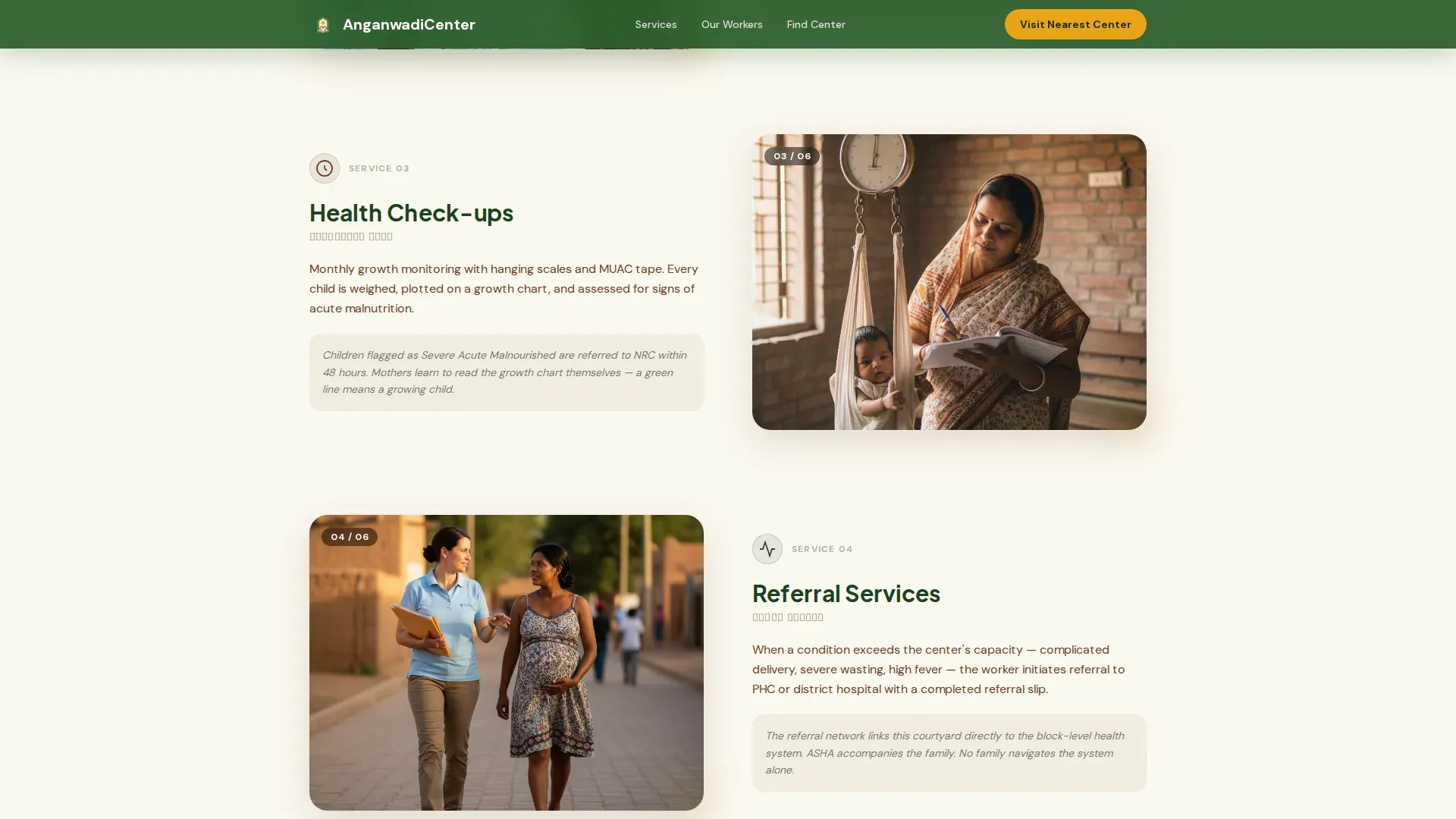
- Six ICDS service cards laid out as an alternating visual journey with illustration slots and brief paragraph descriptions for each service
- A dedicated Anganwadi worker profile section, a dual call-to-action panel, and a minimal single-row footer
Feature list
This template includes several built-in design and structural capabilities drawn directly from the source brief. Each feature supports the goal of delivering clear, trusted health service information to community members.
Scroll-Triggered Statistics Counter
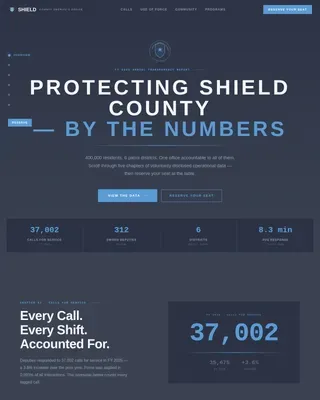
Three large marigold counters animate into view as the user scrolls into the header section. Each counter represents a key impact metric: children enrolled in supplementary nutrition, women in antenatal care, and immunization doses given this year. The numbers read like the hand-painted district data boards found outside Block Development Offices, giving the page instant credibility.
Six ICDS Services Visual Journey
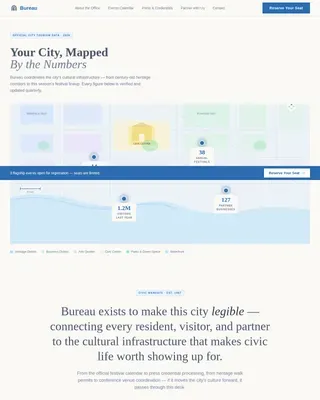
The six services of the Integrated Child Development Services program are presented as an alternating text-and-illustration layout rather than a uniform grid. Each service, covering supplementary nutrition, immunization, health check-ups, referral services, pre-school non-formal education, and nutrition and health education, gets its own brief paragraph and illustration slot. This visual journey format helps users read through the full service description without feeling overwhelmed.
Anganwadi Worker Profile Section
A dedicated section tells the human story behind the data. It covers the worker's training, her daily register activity, and her role as the bridge between the health system and the family. Anganwadi workers spend an average of six hours per day serving their community, with over half that time going directly to children through feeding, preschool work, and care activity. This section builds the trust that motivates families to visit.
Dual Call-to-Action Panel
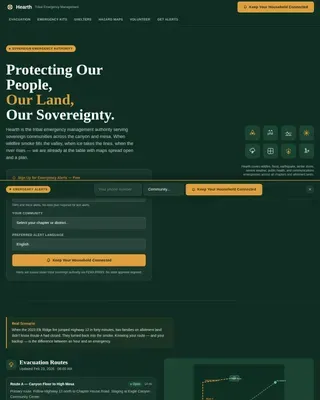
A dark sal green panel near the base of the page holds two clear action buttons. The primary button reads "Visit Your Nearest Center" and links to a district-wise center locator. The secondary button, "Download the Mother and Child Protection Card Guide," captures visitors who want to understand their entitlements before arriving. No form is required on the page, keeping the experience simple and action-focused.
Forest Trust Color System
The design uses a four-color Forest Trust palette: deep sal green (#2D5F2D) anchors headers and section backgrounds, rain-washed earth brown (#6B4226) warms body text, chalkboard slate (#3B3F42) carries secondary information, and marigold (#E8A317) highlights interactive elements and key statistics. The overall effect feels like a village school compound after monsoon, warm and quietly purposeful.
Mobile-First Single-Column Layout
The entire page flows as one vertical column optimized for low-end Android devices. Large tappable buttons, adequate white space between sections, and CSS-driven scroll-reveal animations work together to help users on slower connections load and navigate the page comfortably. The layout places the headline, core value, and primary call to action above the fold so that no critical information is waiting below the first screen.
Page sections overview
| Section | Purpose |
|---|---|
| Hero cinematic header | Establishes identity with full-bleed photo, large headline, and floating stat pills |
| Stats counter band | Displays three animated impact numbers in marigold on sal green |
| Six ICDS services | Walks visitors through all six services in alternating text-and-illustration cards |
| Anganwadi worker profile | Shares the worker's training, daily register, and community bridge role |
| Dual call to action panel | Drives action with "Visit Your Nearest Center" and "Download MCP Card Guide" buttons |
| Single-row footer | Provides minimal contact and branding closure |
Design & branding system
The visual identity follows an Educational Guide theme grounded in the Forest Trust color system. Every color choice is rooted in the lived environment of an ICDS center: green fields, packed earth, neem shade, and marigold garlands.
- Typography uses Plus Jakarta Sans for headings and DM Sans for body text, keeping the page warm and legible without feeling corporate
- Sal green (#2D5F2D) leads all section headers and backgrounds, marigold (#E8A317) marks every button and key statistic, earth brown (#6B4226) carries body text, and slate (#3B3F42) handles secondary detail
- Illustration slots in the services section and a growth-chart visual motif in the hero reinforce the cultural relevance of the layout for an Indian community health context
Mobile & speed optimization
The page is built with mobile-first delivery as its core priority. Primary users are women accessing the page on low-end Android phones in semi-urban and rural India, so every design decision supports fast loading and easy reading.
- Animations use CSS-driven scroll reveals and intersection observer triggers, keeping JavaScript minimal and loading lightweight for slower data connections
- Buttons are sized for large, tappable targets and white space is used consistently to make the page scannable on small screens
- The single-column flow removes the need for complex navigation menus, keeping the user focused on services and calls to action from the first screen to the last
How this template helps you convert
This template is built around a Click-Through direction. Every section earns visitor trust before presenting the two action buttons. The page does not ask for data upfront; it gives information first.
- The statistics counter section immediately establishes credibility by showing real impact numbers, which helps community members understand that active, ongoing services are waiting for them at the center
- The six-service visual journey gives enough detail for a visitor to identify which specific service is relevant to her situation, whether she is a pregnant woman seeking antenatal care, a lactating mother collecting a Take Home Ration, or an ASHA worker coordinating with the center
- The dual call to action panel closes the page with two low-friction options: a direct locator link for those ready to visit, and a guide download for those who need more information before taking action
Other information about this template
This template was designed specifically for the Anganwadi and ICDS niche under the Government and Public category. It reflects guidance from health communication best practices relevant to centers operating under programs administered by the ministry responsible for women and child development in India.
- The page structure supports ministry branding placement, such as displaying logos that confirm the authenticity of the services offered at anganwadi centres
- Collected data displayed through the statistics counters is meant to reflect real district-level beneficiaries counts; the template provides placeholder slots for these numbers
- The worker profile section acknowledges real challenges: workers report spending more time on paper registers and feeding than their daily schedule officially allows, and the template gives space to tell that human story honestly
- The design is culturally relevant by intent, using imagery, color, and layout cues drawn from the physical environment of an Indian village school compound
- No-code platforms allow users to build production-ready websites without traditional programming skills, and this template is structured to work within those environments; AI-powered no-code tools can handle deployment so that community health workers and district teams do not need technical backgrounds to publish the page
- The template can support telemedicine referral links and connections to public health hospitals for centers that coordinate care beyond the center itself; it is suitable for healthcare providers, clinics, and telemedicine services that work alongside ICDS programs
- Dentists, general practitioners, and other community health professionals who participate in health check-up days at anganwadi centres can be listed in the worker profile or services section
- Feedback mechanisms such as a brief feedback note or community testimonial slot can be added to the page to highlight success stories from local mothers and community leaders
- The page layout does not include a contact form by design; operating hours and center location information should be easy to find through the locator link provided in the call to action panel
- The template suits countries with government-run community health programs similar to India's ICDS model, making it adaptable for public health communication in comparable program structures across South Asia
Theme
Educational Guide
Creative direction
Vision & Mission
Color system
Forest Trust
Style
Single Column Flow
Direction
Click-Through
Page Sections
Scroll-triggered Statistics Counters
Six ICDS Services Visual Journey
Anganwadi Worker Profile Section
Dual Call-to-action Panel
Forest Trust Color and Typography System
Mobile-first Single-column Flow
Related questions
Who can use the services shown on this landing page?
Does this template include an appointment form?
Can I update the statistics counters with my center's actual numbers?
How does the template present the Anganwadi worker's role?
Is this template suitable for both rural and semi-urban centers?