
Which metrics truly show AI app development success? Traditional measures fall short. Focus on output quality, real outcomes, and efficiency to understand impact, as AI tools reshape how developers build and deliver applications.
Are you tracking the right things when using AI to build apps in 2026?
Many still rely on outdated numbers like lines of code or hours worked, which no longer reflect real progress.
A recent GitHub report shows that developers using AI assistants can complete tasks up to 55% faster. That sounds great, but speed alone doesn’t tell the full story. You need smarter ways to measure AI’s impact on real output, quality, and business outcomes.
In this blog, you’ll learn which metrics actually matter and how to measure AI’s impact without relying on outdated numbers.
Why Productivity Metrics Are Changing Fast
So, what’s going on?
The way teams build software is shifting quickly. AI tools are no longer just helping here and there. They are part of daily workflows, changing how developers work and how developer productivity is measured.
Here’s what’s changing:
-
Developers are not just writing code anymore. They are generating code, reviewing AI generated code, and refining it
-
AI tools are handling repetitive and tedious tasks, reducing manual effort
-
The focus is moving from how much code is written to how useful that code is
-
Traditional productivity metrics like lines of code are losing meaning
-
More code does not equal better outcomes and can increase technical debt
-
Teams now care more about outcomes like code quality, speed, and business outcomes
So what does this mean?
The conversation is shifting toward real AI impact. Teams want to measure AI’s impact in a way that reflects actual value, not just activity. That means choosing smarter productivity metrics that connect work to results..
The Problem With Traditional Metrics
Well, let’s be honest. Are you tracking progress or just activity? A lot of teams still rely on vanity metrics.
Things like:
-
Lines of code written
-
Hours spent writing code
-
Number of commits
These don’t reflect actual productivity improvements. They only show activity, not outcomes.
For example, AI assistants can generate code in seconds. So your lines of code might increase, but does that mean your application is better? Not always.
That’s why measuring productivity in 2026 needs a smarter approach.
What You Should Track Instead?
Modern teams need metrics that reflect real work, not just activity. With AI tools changing how software development happens, the focus should shift toward outcomes, efficiency, and developer experience.
Here’s a simple table to make things clearer:
| Metric | What It Measures | Why It Matters |
|---|---|---|
| Lead Time | Time from idea to deployment | Shows faster delivery |
| Cycle Time | Time to complete a task | Tracks efficiency |
| Deployment Frequency | How often does code go live | Reflects agility |
| Code Review Time | Time spent reviewing | Affects code quality |
| Bug Rate | Number of issues | Shows the quality of AI-generated code |
| Developer Satisfaction | Team happiness | Impacts long-term productivity |
| Adoption Metrics | AI tool usage | Tracks AI adoption |
These metrics provide a clearer view of developer productivity and overall progress. They help teams move away from vanity metrics and focus on meaningful productivity measurement that connects directly to AI impact and business outcomes.
Lead Time and Cycle Time Still Matter
Lead time and cycle time remain two of the most reliable productivity metrics in modern software development.
Even with AI tools and AI assistants involved, these metrics give a clear picture of how efficiently work moves through the system.
Key points to understand:
-
Lead time measures the total time from idea to production
-
It reflects how quickly teams deliver real value and achieve faster delivery
-
With AI tools supporting code, the lead time should gradually decrease
-
Cycle time tracks how long it takes to complete a task once work begins
-
AI assistants help reduce cycle time by handling tedious tasks and speeding up writing code
-
Both metrics directly impact developer productivity and overall engineering performance
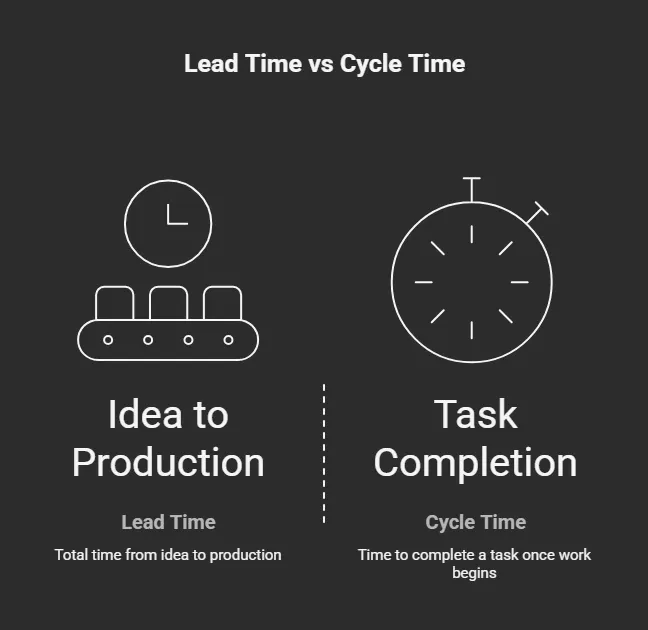
Tracking lead time and cycle time helps in measuring productivity more effectively. If these metrics are not improving, it may indicate gaps in tool usage or that your AI investments are not delivering the expected productivity impact.
Measuring Code Quality in the Age of AI
After that, we need to talk about code quality.
AI-generated code can be fast, but it’s not always perfect. Sometimes it creates buggy code or introduces technical debt.
So, what should you track?
-
Code review feedback
-
Number of issues found during code review
-
Test coverage from unit tests
-
Results from automated testing
Code review becomes more important than ever. The review process ensures that AI-generated code meets standards. You’re not just writing code anymore. You’re validating what AI creates.
AI Adoption and Tool Usage Patterns
Now, let’s focus on AI adoption. Tracking AItool usage and tool usage helps you understand how your team is actually working.
Ask questions like:
-
Are developers using AI assistants daily?
-
Which AI tools are used the most?
-
Are AI features being ignored?
Adoption metrics and usage patterns show whether your team trusts the tools. Low adoption trends might mean poor developer experience or lack of training.
Measuring Productivity vs Measuring Impact
Here’s where things get interesting. Measuring productivity is not the same as measuring business impact. You might see productivity gains in terms of time saved. But are you seeing better business outcomes?
To measure AI’s impact properly, you need to connect engineering metrics with:
-
Customer satisfaction
-
Application performance
-
Financial impact
-
Business value
This is where many teams struggle. They track activity, not outcomes.
The Role of Feedback Loops
Next, let’s talk about feedback loops. Fast feedback loops help teams improve quickly. AI tools can speed up generating documentation, testing, and even code review.
Shorter feedback loops mean:
-
Faster fixes
-
Better developer experience
-
Improved engineering performance
Frequent deployments also help. The more often you release, the faster you learn.
Rocket.new: Building Faster With Smarter Metrics
Rocket.new is an AI application platform designed to simplify modern software development by using AI agents, smart workflows, and automation. It fits directly into the conversation around productivity metrics by helping teams not just build faster, but also track how that speed translates into real AI impact and business outcomes.
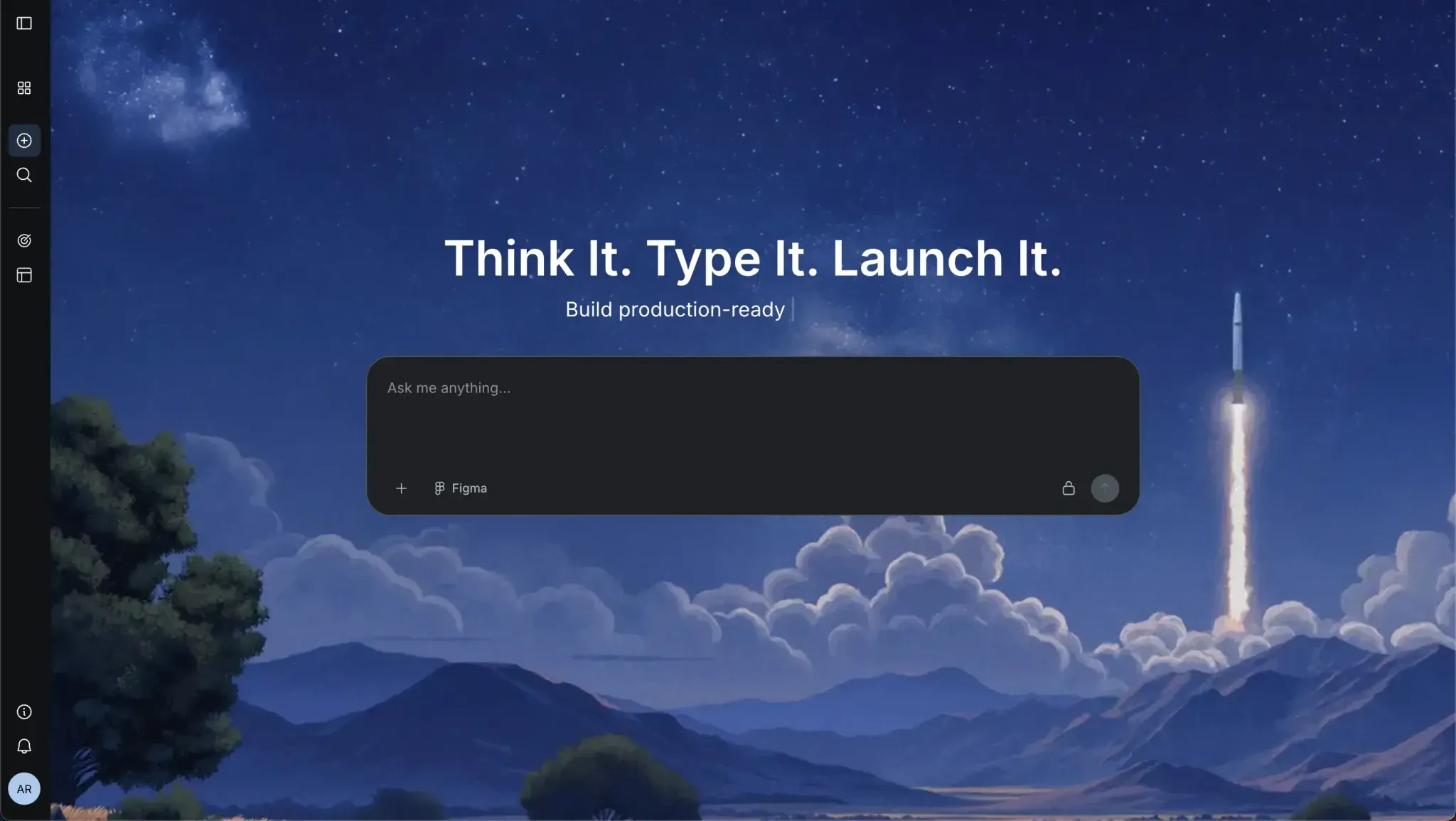
It supports teams in measuring productivity more effectively by connecting development activities like generating code, testing, and deployment with meaningful system metrics, developer experience, and overall performance.
Top Features
-
AI-driven code generation
-
Built-in deployment pipeline
-
Automated testing support
-
Smart code review assistance
-
Integrated analytics for system metrics
How Rocket.new Connects to Productivity Metrics
Rocket.new aligns closely with the need for better productivity measurement in 2026. Instead of focusing only on lines of code or time spent, it helps teams track how work moves through the software development lifecycle and how AI tools contribute to real progress.
-
Helps reduce lead time by speeding up idea-to-product flow
-
Improves cycle time through automation and AI assistants
-
Supports better code quality with built-in code review and testing
-
Tracks tool usage and AI adoption through integrated analytics
-
Enables frequent deployments with a structured deployment pipeline
Use Cases
Rapid Prototyping
Teams can move from idea to a working product in hours. This reduces manual effort and improves faster delivery while making it easier to measure productivity impact.
👉Worth a Quick Read: Rapid Prototyping: A Complete Guide For Faster Innovation
Startup MVP Development
Startups can quickly build and test ideas while tracking business outcomes like user satisfaction and engagement, helping them connect AI impact with real value.
Internal Tools for Teams
Engineering teams can create dashboards, automation tools, and workflows while monitoring productivity metrics, developer productivity, and usage patterns.
Rocket.new brings everything together by connecting AI tools, development workflows, and measurable outcomes. It helps teams focus less on vanity metrics and more on what actually drives progress and business value.
AI App Builder Productivity Metrics 2026
Teams still rely on outdated productivity metrics like lines of code and time spent, which fail to reflect real AI impact or meaningful business outcomes. This creates a gap between what teams track and the actual value delivered. A better approach is to shift toward smarter productivity measurement by focusing on lead time, cycle time, deployment frequency, and developer experience, while combining quantitative metrics with qualitative feedback.
AI tools are changing how software development works. Developers are no longer just writing code, they are managing and improving AI-generated code while aligning it with business goals. To get the most out of AI app builder productivity metrics 2026, teams must focus on outcomes, not just activity.
Table of contents
- -Why Productivity Metrics Are Changing Fast
- -The Problem With Traditional Metrics
- -What You Should Track Instead?
- -Lead Time and Cycle Time Still Matter
- -Measuring Code Quality in the Age of AI
- -AI Adoption and Tool Usage Patterns
- -Measuring Productivity vs Measuring Impact
- -The Role of Feedback Loops
- -Rocket.new: Building Faster With Smarter Metrics
- -How Rocket.new Connects to Productivity Metrics
- -Use Cases
- -AI App Builder Productivity Metrics 2026