
AI is reshaping factory floors by combining machine learning, sensor data, and predictive analytics to cut downtime, improve quality control, and drive operational efficiency across modern industrial automation systems.
What keeps modern factories running with fewer delays and sharper accuracy?
It often starts with better decisions backed by real data. Today, production floors feel different. Machines speak up when something is about to go wrong.
Companies using advanced analytics and automation have seen productivity climb by up to 30% and unplanned downtime fall by more than half. Those numbers tell a powerful story.
But how do teams reach results like that without adding extra headaches? This is where AI in industrial automation steps in. It supports smarter operations and helps production stay steady as demands keep rising.
Why Industrial AI Matters Today
Industrial AI blends domain experience with machine learning and advanced technologies to improve production processes and industrial operations.
Unlike general AI trying to solve broad consumer tasks, industrial AI focuses on meeting the demands of industrial applications where reliability, precision, and safety matter every minute. It runs on high-quality data from sensor readings and equipment performance history.
AI relies on data collected continuously, which allows AI algorithms to detect patterns that humans may struggle to notice during fast-paced conditions. The result feels different on the floor. Instead of reacting to equipment failures after the fact, predictive analytics flags those issues early so teams can act before they turn costly.
Work shifts from firefighting to planning. And that changes everything.
What Pushes AI-Powered Industrial Automation Forward
Multiple forces are moving industrial automation ahead rapidly.
Costs of cloud computing continue to drop. Processing data locally at the edge is becoming more common. At the same time, factories demand greater operational efficiency, consistency, and adaptable decision-making as supply chains face unpredictable pressures in raw materials and market dynamics.
The shift is not only technical. People feel it too.
AI-powered industrial systems connect machines, sensor data, and analytics to drive smarter, faster production decisions.
How AI Applications Support Industrial Automation Growth
AI applications directly affect machines, production planning, and team decisions. When factories adopt AI-powered setups, they gain visibility into real behaviour instead of assumptions. As a result, production processes adjust in real time rather than waiting on manual review.
Let's break down the biggest impact areas.
Predictive Maintenance Preventing Breakdowns
Predictive maintenance powered by machine learning studies equipment data such as vibration patterns, temperature readings, and output performance. It forecasts failure risks before machines stop unexpectedly. That means scheduled interventions rather than surprise shutdowns. These systems extend equipment life while keeping maintenance costs on a controlled timeline.
In addition, predictive maintenance supports spare parts planning, staffing scheduling, and workload balance. It directly reduces waste by tightening resource allocation decisions and improving overall operational efficiency.
Quality Control With Computer Vision
Computer vision improves quality control by enabling automated visual inspections that run continuously. AI-powered robots review components and surface properties while production lines are active. They compare images against digital reference models and catch defects instantly.
This approach supports repeatable quality at scale. Waste falls. Customer complaints decline. Trust rises.
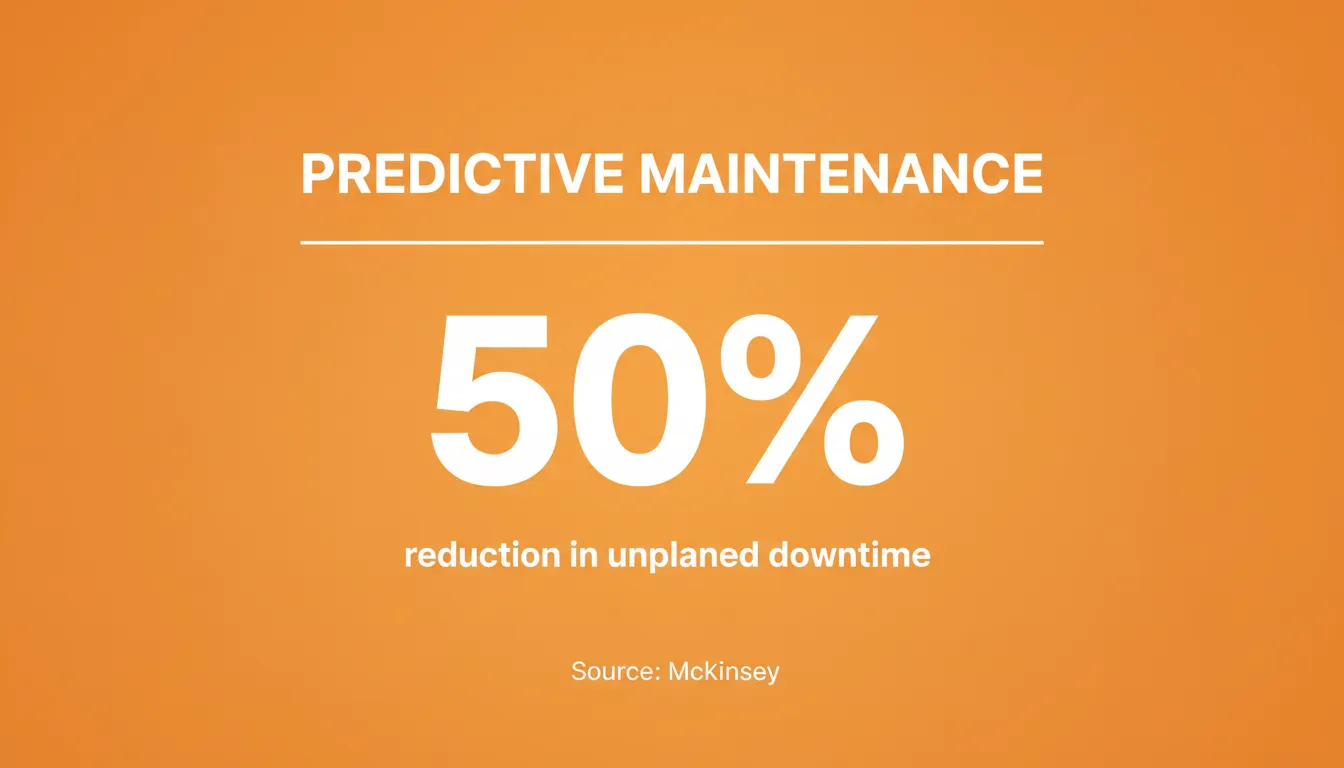
Predictive maintenance and computer vision quality control work together to eliminate unplanned downtime and production defects.
Digital Twins Changing Engineering Speed
Digital twins create virtual replicas of machines, production lines, and sometimes entire facilities. They form a safe test environment where engineers can review change options without touching physical systems. Virtual replicas give teams room to experiment freely, optimise processes, and simulate performance impacts.
Digital twins connect through data integration running across control systems, IoT devices, cloud computing, and real-time analytics. They also support energy management decisions by modelling energy demand and expected usage before any real adjustments are made.
Where Industrial AI Delivers Real Value
| Focus Area | Result With Industrial AI | Outcome |
|---|---|---|
| Predictive maintenance | Prevent breakdowns before failure | Lower maintenance costs and less downtime |
| Quality control | Automated inspection through computer vision | Reduced waste and consistent output |
| Production planning | Live system feedback | Smoother performance and scheduling |
| Energy management | Adjust energy demand based on load | Cost reduction and better sustainability |
| Supply chain optimisation | Full transparency across supply chains | Smarter delivery planning |
| Digital twins | Virtual replicas for testing updates | Faster improvement cycles |
Where AI-Powered Robots Fit In
AI-powered robots manage physical systems with precision and repeatability. They are becoming central to production lines, handling tasks that are too hazardous or inconsistent for human workers. The story, however, is one of partnership rather than replacement.
Teams move away from repetitive tasks toward oversight, diagnostics, and improvement thinking. AI-powered systems handle mechanical labour while human intelligence drives strategy. It makes work more interesting, reduces physical risk, and smooths production overall.
Robots supported by AI algorithms adjust behaviour autonomously when process conditions change, improving balance across complex industrial processes. Teams exploring AI integration strategies are finding that pairing human judgment with robotic precision consistently delivers the strongest results.
Generative AI in Industrial Workflows
Generative AI is adding real value to design engineering and production planning. It creates simulations, layout recommendations, and production alternatives. More specifically, generative AI suggests material-efficient part designs and helps reduce costs during development cycles.
This directly affects resource allocation and time to market. It helps teams optimise complex industrial processes and analyse data far faster than traditional tools allow. Planning moves quicker, and decisions feel grounded and well-supported.
Teams looking to scale these capabilities are turning to AI workflow builder solutions that connect generative AI outputs directly into operational pipelines.
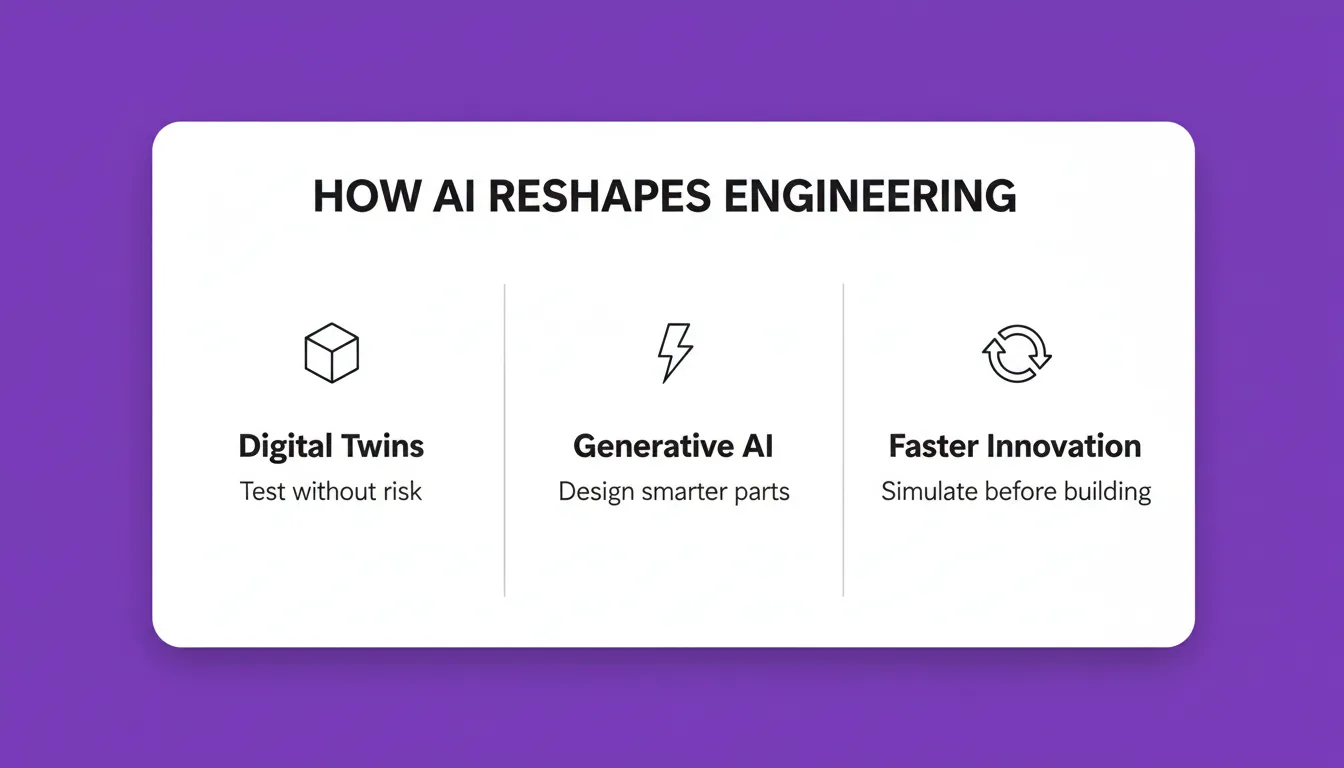
Digital twins and generative AI allow engineering teams to simulate, test, and optimise industrial processes without disrupting live production.
Smarter Supply Chains and Operations
Supply chain management improves significantly with AI-driven automation, which increases flexibility across entire supply chain operations. AI-powered visibility helps planning teams adapt quickly as supply chains shift under pressure.
Industrial AI supports real-time forecasts, supplier timing insight, raw materials planning, and supply chain optimisation decisions. As a result, inventory stays under better control and business operations remain more stable.
Furthermore, predictive analytics and integrated data help companies shape long-term planning while responding faster to short-term disruptions. Organisations that invest in business process automation software gain a structural advantage in managing these supply chain complexities.
AI in Industrial Automation: Key Adoption Drivers vs. Barriers
Understanding what accelerates and what slows AI adoption helps industrial teams plan their transformation roadmap more effectively.
Mapping the key forces that accelerate and slow AI adoption in industrial environments.
Building Industrial AI Applications: What Teams Need
Industrial teams increasingly need custom digital tools to manage AI-driven workflows, track equipment data, and coordinate across production systems. The challenge is building these tools quickly without a large development team.
Modern app-building platforms have changed this equation entirely. Teams can now describe their requirements in plain language and generate production-ready dashboards, monitoring tools, and operational portals without writing a single line of code. This approach to software development automation is fast becoming standard practice for industrial operations teams.
Moreover, the ability to automate product development processes means engineering teams spend less time on tool configuration and more time on the decisions that actually matter.
Rocket: Building Tools for Industrial AI Teams
Industrial teams managing digital transformation need platforms that match the speed of their operations. Rocket is built for exactly that. Describe what you need, and it builds the tool.
Rocket lets industrial teams build production-ready dashboards, monitoring tools, and operational portals by describing requirements in plain language.
Key Features
- Natural-language prompt to full app — Build complete applications by simply describing requirements in plain English.
- Automatic backend generation and logic automation — Instantly create database structures, APIs, authentication, and logic without coding manually.
- Figma import and UI/UX generation — Convert Figma designs into production-ready UI code with component structure preserved.
- One-click deployment, infrastructure ready — Deploy web or mobile apps live within minutes using built-in hosting and deployment tools.
- Template library and reusable patterns — Start quickly with ready-made templates for dashboards, internal tools, mobile apps, and more.
- Integration ecosystem and code ownership — Connect to services like Stripe or OpenAI and export clean, editable code for full control.
Teams building AI-powered applications for operations are using Rocket to ship monitoring dashboards, predictive maintenance interfaces, and supply chain visibility tools in days, not months.
The Future of AI in Industrial Automation
Factories operate differently now. Digital twins reshape experimentation. Predictive maintenance drives reliability. AI-powered robots improve safety. Sensor data transforms decisions from intuitive to measurable. Smart factories show how technology pairs with human capabilities rather than replacing them.
AI is transforming production from raw materials to finished goods. It helps reduce waste, improve quality control, optimise processes, and stabilise operational efficiency. Companies that integrate AI thoughtfully gain stronger resilience and better outcomes across production processes and industrial automation systems.
Those advantages will only grow from here, shaping how the next generation of industrial leaders work.
AI in industrial automation now stands as a real advantage, not a future promise.
What's Next for Industrial AI
The next phase of AI in industrial automation will be defined by deeper integration, not just wider adoption. As edge computing matures and AI models become more specialised for industrial environments, factories will move from reactive monitoring to fully autonomous decision-making. The teams that build flexible digital infrastructure today will be best positioned to lead that shift.
Rocket gives industrial teams the tools to build, deploy, and iterate on operational applications without waiting on long development cycles. You describe the problem. Rocket builds the solution. Start building on Rocket.new and turn your industrial AI vision into a working product today.
Table of contents
- -Why Industrial AI Matters Today
- -What Pushes AI-Powered Industrial Automation Forward
- -How AI Applications Support Industrial Automation Growth
- -Predictive Maintenance Preventing Breakdowns
- -Quality Control With Computer Vision
- -Digital Twins Changing Engineering Speed
- -Where Industrial AI Delivers Real Value
- -Where AI-Powered Robots Fit In
- -Generative AI in Industrial Workflows
- -Smarter Supply Chains and Operations
- -AI in Industrial Automation: Key Adoption Drivers vs. Barriers
- -Building Industrial AI Applications: What Teams Need
- -Rocket: Building Tools for Industrial AI Teams
- -Key Features
- -The Future of AI in Industrial Automation
- -What's Next for Industrial AI