
Want to launch a SaaS product quickly? Use AI platforms and structured planning to build apps with minimal setup. Growing SaaS demand creates opportunities, and Rocket.new helps founders launch faster.
How can you launch a SaaS product faster without months of development?
Use AI-powered platforms and structured planning. Rocket.new helps founders and teams build full applications with minimal setup, which reduces time and effort.
The SaaS market continues to grow quickly. According to Statista, global SaaS revenue is expected to reach over $374 billion by 2028.
That growth means new opportunities for entrepreneurs and startups. If you want to launch a SaaS business quickly, understanding the right steps matters.
This blog explains how to build saas product efficiently and how tools like Rocket.new help founders launch faster.
Understanding the Basics of SaaS
Before starting development, it helps to understand how SaaS works.
Software as a service means applications run in the cloud and users access them through a browser with an internet connection. Instead of installing programs like traditional software, users simply log in and start working.
A saas product usually runs on cloud infrastructure and uses subscription billing. Businesses pay monthly or yearly to access the service.
This model works well because it generates recurring revenue and provides continuous updates. It also helps a saas provider serve customers worldwide without physical distribution.
Most modern saas applications follow a similar structure:
| Component | Description |
|---|---|
| Frontend | The interface users interact with |
| Backend | Logic that powers the app |
| Database | Stores information and user data |
| Cloud hosting | Keeps the application online |
These elements come together during saas application development.
Why SaaS Products Are Growing So Fast
The SaaS market has expanded because businesses prefer flexible tools to buying software licenses.
Many SaaS companies deliver services such as analytics, CRM systems, automation platforms, and collaboration tools.
A few reasons explain this growth:
- Businesses need scalable software services
- Teams can access apps from anywhere with an internet connection
- Updates happen automatically
- Subscription pricing lowers entry costs
As a result, the saas model became popular among startups and enterprise companies.
For founders, building a saas product can be a powerful opportunity. The key is finding the right target market and building something people actually want.
The Quick Steps to Build SaaS with Rocket.new
So before jumping into the deeper development steps, let’s quickly look at the simple flow. Many founders today build SaaS tools using AI platforms because these platforms reduce the lengthy setup process.
Rocket.new follows a simple step-by-step system. Instead of spending weeks setting up the structure of a saas application, you can generate the first version in minutes.
Here is the typical process founders follow when building a SaaS using Rocket.new.
1. Clarify Your Product Goal
Start with a clear idea of what your saas product should do. Think about the problem you want to solve and your target audience.
Good planning at this stage improves the saas development process later. Write the idea in simple words. Many teams even draft the concept in Google Docs before starting.
Your goal is to define:
- Core features
- The target market
- The main workflow for users
This clarity helps the platform generate a more accurate saas solution.
2. Sign Up on Rocket.new
Next, create an account on the Rocket platform. The sign-up process is simple. Once logged in, you can start building your saas application immediately.
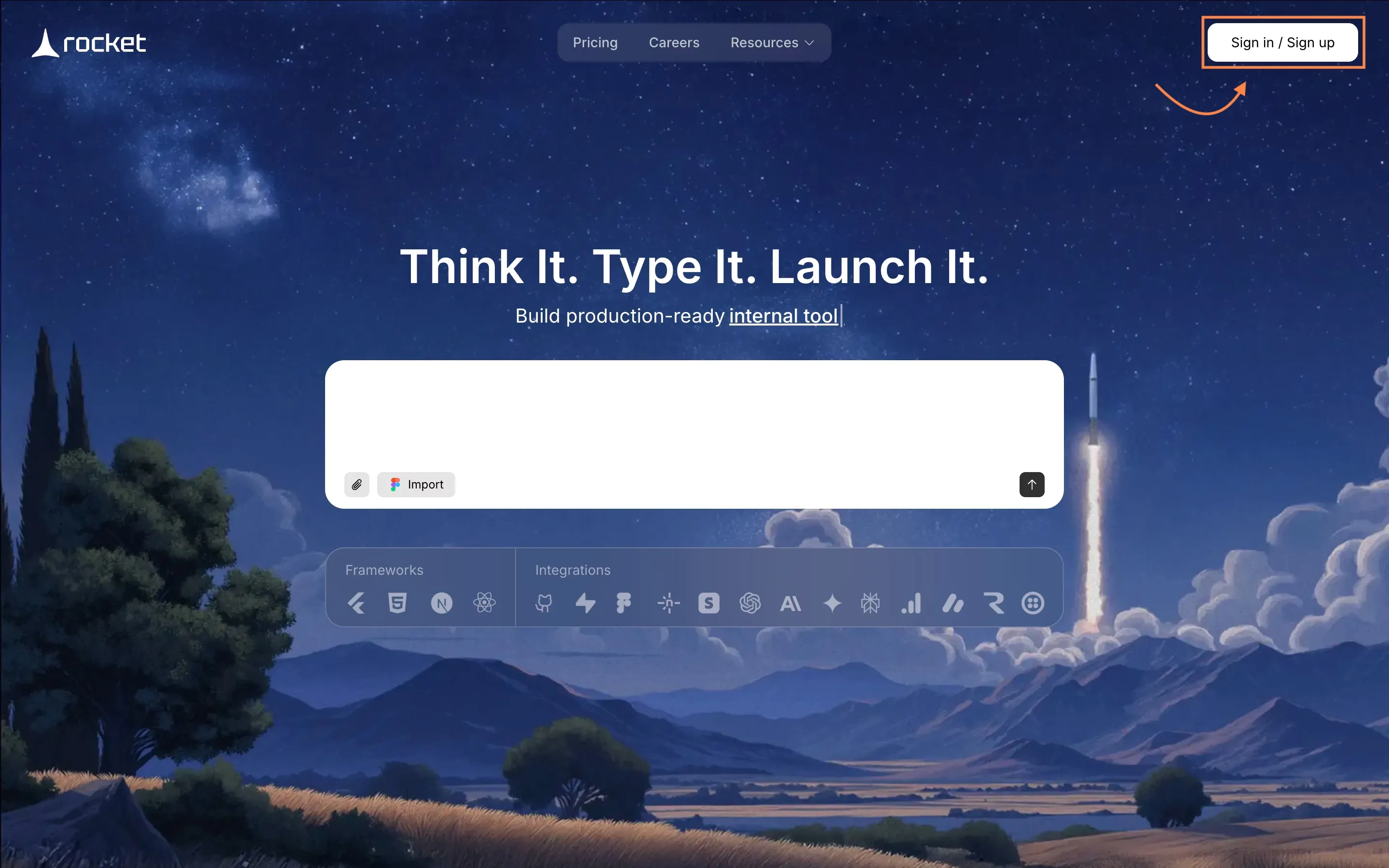
Unlike traditional saas platform development, you don’t need to set up servers or databases manually.
3. Enter a Prompt or Choose a Template
Now comes the interesting part.
Rocket.new lets you either type a prompt describing the product or choose from ready templates designed for modern saas applications.
For example, you might type something like:
“Create a SaaS dashboard for managing social media posts and analytics.”
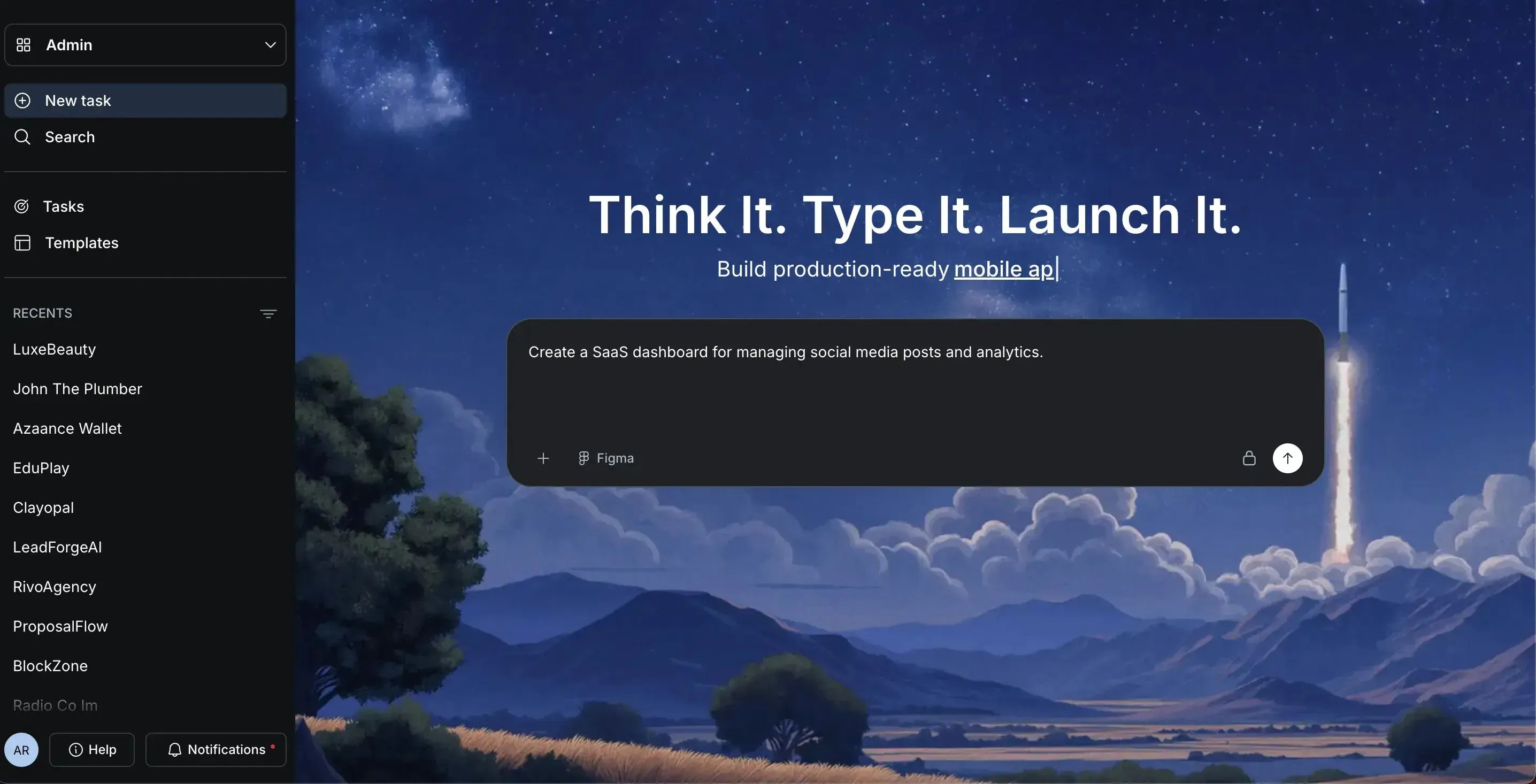
The system interprets the prompt and begins generating a saas product structure. This step dramatically speeds up saas application development.
4. Select Screens and Features
After generating the base structure, Rocket.new lets you select the screens you want for the saas application.
Typical screens include:
- login page
- dashboard
- analytics panel
- settings page
This stage helps shape the user journey for your saas product.
It also helps define the overall technology stack used in the project.
5. Generate the Application in Minutes
Once the selections are complete, the platform generates the application structure.
Within minutes, you get:
- working UI screens
- backend setup
- database schema
This rapid generation allows founders to build saas tools faster than traditional development methods.
Many teams use this stage to create the first minimum viable product.
6. Modify the App Using features
After generation, you can refine the saas application using simple commands and features, or you can simply tell it to make changes.
Rocket.new allows users to edit components, change layouts, or add a new feature using text instructions.
Visual edits lets you make changes visually means what you see on preview that you don't like, you can simply select it and make changes, to know more about it. Check here
Or you can use commands
- "add auth"
- "change app theme"
- "change app logo", to know more about the commands.
This approach makes saas development flexible without heavy coding.
7. Launch Your SaaS Product
Finally, once everything looks good, you can deploy the saas product. The platform connects with cloud hosting providers, allowing quick deployment.
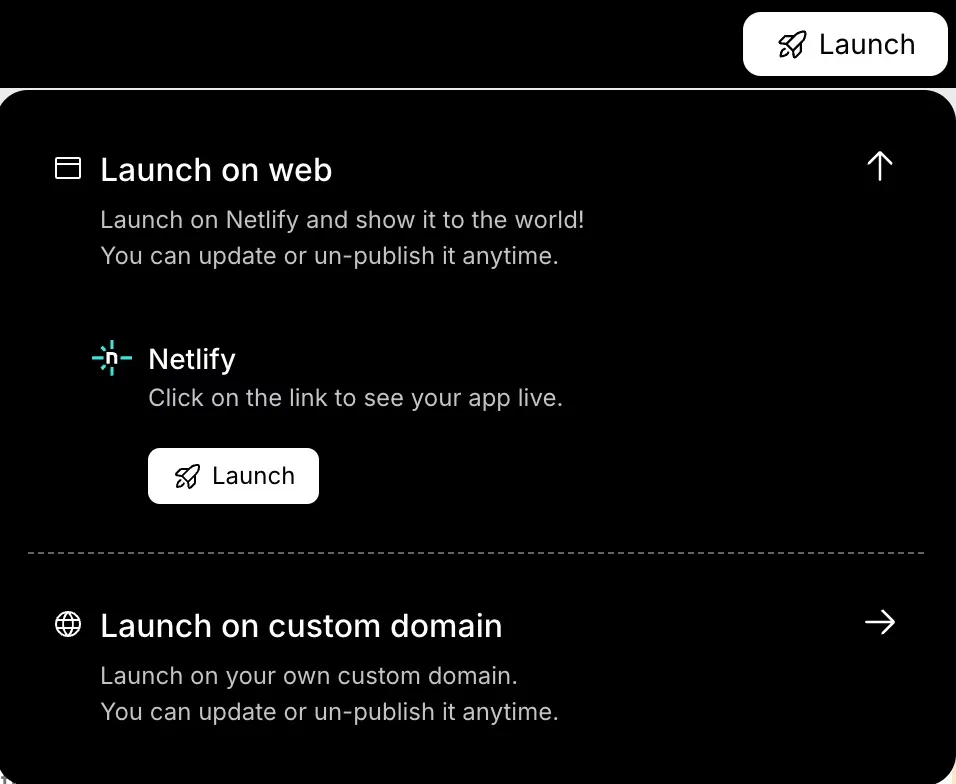
After launch, founders can gather user feedback and improve the product based on real usage.
That’s the basic Rocket.new workflow. Now let’s go deeper into the full saas development strategy and the detailed steps involved in building a successful product.
Community Insight
One Reddit user explained how Rocket helped them launch a quick prototype:
“I described the core flow in rocket.new and had a version people could log into the same day. That made it easier to get early feedback instead of waiting until everything was fully built.”
This type of fast iteration helps teams validate ideas quickly in the saas market.
Pricing Strategy for SaaS
Pricing strongly affects the success of a saas business. Many products follow tiered pricing based on features or usage limits.
Example structure:
| Plan | Features |
|---|---|
| Basic | Limited features |
| Pro | Full functionality |
| Enterprise | Advanced integrations |
Pricing decisions also influence customer acquisition cost and customer lifetime value. A balanced pricing model helps a saas provider attract new customers while maintaining profit.
Scaling Your SaaS Product
Once the application launches, the focus shifts to growth.
Successful founders track metrics like:
- Customer lifetime value
- Churn rate
- Customer acquisition cost
- Engagement data
Growth also depends on marketing and saas adoption.
Many teams connect their product with crm tools to manage sales pipelines. Strong customer support interactions also improve retention.
Technology Architecture for Modern SaaS Applications
When teams build saas tools today, the system architecture plays a big role in scalability and performance.
Most modern SaaS applications use a multi-tenant architecture, which allows a single SaaS application to serve many customers while keeping their data separate.
Here are a few reasons why this architecture is widely used in saas development:
- Shared infrastructure: A single system supports multiple customers instead of building separate environments for each user.
- Better scalability: The saas product can handle growth as more users join the platform.
- Efficient resource usage: Shared infrastructure helps companies manage cloud resources more effectively.
- Faster updates: SaaS vendors can release new updates and features to all users simultaneously.
- Lower maintenance effort: Managing a single system is easier than maintaining multiple individual installations.
Because of these advantages, many modern saas applications rely on multi-tenant systems to serve a global customer base efficiently. This architecture supports long term growth and simplifies product updates for SaaS businesses.
How to Build SaaS Product Successfully
Launching a SaaS product often requires months of development, high costs, and complex planning. Many startups struggle with limited resources and long timelines. AI-driven tools like Rocket.new help reduce the heavy coding work and allow founders to build saas products much faster. When combined with proper planning, research, and testing, teams can move from idea to launch more quickly.
The main takeaway is simple. When teams understand the market, define clear goals, and use modern tools, the development journey becomes smoother. That practical combination shows how to successfully build a SaaS product in today’s fast-moving technology landscape.
Table of contents
- -Understanding the Basics of SaaS
- -Why SaaS Products Are Growing So Fast
- -The Quick Steps to Build SaaS with Rocket.new
- -1. Clarify Your Product Goal
- -2. Sign Up on Rocket.new
- -3. Enter a Prompt or Choose a Template
- -4. Select Screens and Features
- -5. Generate the Application in Minutes
- -6. Modify the App Using features
- -7. Launch Your SaaS Product
- -Community Insight
- -Pricing Strategy for SaaS
- -Scaling Your SaaS Product
- -Technology Architecture for Modern SaaS Applications
- -How to Build SaaS Product Successfully