How do Vibe Solutions work to support smoother daily operations? Vibe Solutions organizes scattered information into clear steps, helping teams move faster while maintaining steady performance through practical structure and focused coordination within routine operations.
What makes Vibe Solutions actually deliver better outcomes in daily operations?
The Forrester report shows that teams using connected workflow platforms improved delivery speed by 27%.
That kind of shift reflects how focused systems turn scattered data into clear actions without slowing teams down. This topic matters because business groups keep searching for practical ways to create steady performance gains without stretching budgets.
So this look into planning, logic, and strategy sits right at the center of what many users deal with every week.
How Vibe Solutions Work in Real Settings?
So, teams often ask for clarity.
They want details without drowning in complicated language. The whole idea behind vibe solutions ties directly to clean structure, a natural language flow, and consistent planning.
Company operations need systems that read plain-language requests and convert them into steps a device or app can execute. The approach helps a business handle projects with smoother workflow lines, stronger reporting, and measurable results that make sense in context.
The interesting part arrives when AI generates early-stage drafts, data summaries, or code samples from a single prompt. That starting point lets a team modify and create new ideas without extra friction. This rhythm works across software development, marketing tasks, and even projects linked to a vibes shop or a vibes rental model.
So the practice becomes less about chasing every small detail and more about picking the right strategy at the right stage.
Why Teams Lean Toward Vibe Solutions?
Well, the logic sits in the mix of clarity, confidence, and ease. These systems give a team a stable way to track progress, test features, and better support customers. They help projects stay aligned with expectations before anything reaches a live site.
Teams appreciate this blend because:
- It helps save costs early in development
- It provides natural language handling that feels friendly
- It supports creative problem solving when early drafts spark new ideas
- It keeps operations cleaner without forcing long explanations
- It creates a shared structure where every partner can move faster
This kind of setup suits groups that handle wide data ranges, large marketing campaigns, shifting industry trends, or high-volume software demands. Every part of the workflow grows easier when an app can sort inputs and deliver consistent performance.
The Role of Strategy and Planning
Next comes the planning side.
Strategy shapes every request that reaches the system. When a team defines an idea, the platform converts that line of text into a set of organized steps. The advantage grows when users work across multiple projects and need software that tracks feedback, reporting, and development timelines.
Teams often create early-stage drafts or images tied to a concept and run tests at each stage. A developer might insert a block of code, run the app on a sample device, and verify quality against expectations. This routine lets a business develop features with less confusion. Every step is mapped out, and everyone on the team knows what comes next.
Here is a simple table showing how groups commonly apply vibe solutions across different project stages:
| Stage | Main Focus | Key Action | Expected Result |
|---|
| Idea Stage | planning | define goal | clear path |
| Draft Stage | workflow | create assets | early test |
| Build Stage | development | add code | working feature |
| Review Stage | reporting | track changes |
How Data Shapes Day-to-Day Success
Then the conversation shifts to data.
Business teams rely on database layers, device logs, and app feedback to keep decisions steady. When data flows smoothly, the system can create consistent outputs across software, marketing materials, or internal tools. So the team can transform raw information into helpful actions without losing clarity.
This balance matters for groups managing multiple users, large volumes, and tight timelines. With the right structure, a business can save time and costs while maintaining steady performance. Data helps every partner involved in the workflow stay aligned with the plan. Strong reporting builds confidence, enabling the next project to move forward with greater accuracy.
Projects That Thrive With Vibe Solutions
Then the conversation moves to practical uses. Groups across software projects, marketing campaigns, training apps, and location-based services work with this style daily. They choose it because it allows them to describe a feature, request adjustments in plain language, and produce consistent outputs from a single prompt.
Over time, these tools reshape how a team manages development timelines and project planning.
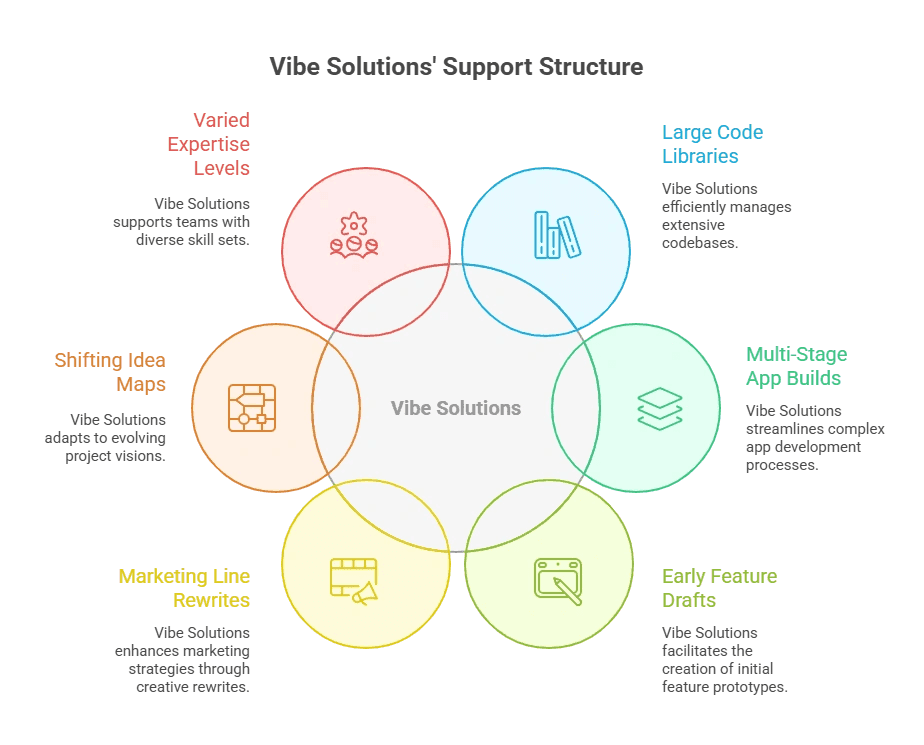 Each step flows in a steady rhythm that keeps expectations aligned.
Finally, the toolset shapes the pace of the whole system. A business needs tools that support logical chains, process user input, and generate reports. These tools define how quickly the team can create, modify, and track assets. Without a strong toolkit, operations drag and expectations slip out of place.
Teams rely on:
- AI features for early-stage creation
- Code blocks for precise development
- Language models for natural language clarity
- Images that support concept testing
- Workflows that define clear planning stages
- Device checks for consistent performance
The right structure helps a business meet customer expectations with more confidence and keeps projects moving at a steady pace.
Rocket.new helps teams create, organize, and execute projects with fewer steps. It supports software development, marketing work, image creation, and app builds inside a single workspace. That rhythm shortens planning time and strengthens the workflow.
Teams can add features, modify drafts, track operations, describe ideas, and manage reporting without juggling separate tools. This approach gives each partner a clear path from idea to finished product, keeping growth steady and expectations grounded.
Features
- Fast project setup from a single prompt
- Tools that create early drafts for apps, images, and code
- Simple planning options that keep each stage organized
- Flexible workflows for different project types
- Easy ways to modify drafts and run quick checks
- Built-in tracking so teams can follow progress
- Reporting options that share updates with customers
- Support for steady growth across multiple projects
👉Build Your App on Rocket.new
Practical Advice for Teams Using Vibe Systems
So teams that want strong results focus on clarity in every request.
A small change in phrasing can help an app respond with cleaner logic. Simple lines deliver better outcomes than long explanations. A good system reads natural language inputs and turns them into steps that support every feature in an active project.
Tips that help:
- Keep each prompt short
- Add details only when they matter
- Create a steady workflow rhythm
- Define planning goals upfront
- Track each stage from idea to reporting
- Insert code samples only when needed
- Maintain quality checks at every stage
These small habits keep development timelines on track and deliver reliable results to customers.
How Vibe Solutions Work for Real Gains?
Teams that understand how Vibe Solutions work gain a steady structure for projects, planning, and development. This approach gives users a clear line from early idea tests to measurable results without slowing operations. The rhythm stays consistent, budgets stay in check, and teams keep momentum through every stage of the workflow.