
Ready to turn concepts into launched products? Learn rapid validation methods, test demand with real users, avoid wasted builds, and create market-ready solutions faster successfully on one platform in 2026.
How to go from an idea to a live product on one platform in 2026?
With modern tools and a smarter market validation process, you can move fast from testing a product idea to launching a working solution.
In fact, studies show that over 42% of startups fail due to a lack of market demand CB Insights. That’s why getting your market validation right early on matters more than anything else.
In this blog, you’ll learn practical ways to validate your idea, test with real users, and build only what truly matters.
Why This Journey Matters in 2026
Before you start building, it helps to understand why this whole process matters.
The market today moves fast, and users have endless options. If your product idea doesn’t match real needs, it gets ignored quickly. That’s why market validation is your starting point, not building.
-
Build with direction: Validation helps you understand what the market actually wants before you invest time.
-
Understand real users: Talking to potential customers reveals real pain points and expectations.
-
Avoid wasted effort: You don’t end up building something with no real demand.
-
Stay focused: You work only on core features that matter to your target users.
-
Launch with confidence: A validated idea gives your product launch a much stronger chance.
At the end, it’s simple. The better you understand the market, the better your product performs.
Before You Jump Into the Steps
Note 1: Don’t Build Too Early
Jumping straight into building without market validation can waste a lot of time. Talk to potential customers first, understand their pain points, and confirm there’s real demand before you start.
Note 2: Focus on Learning, Not Perfection
At this stage, your goal is to learn fast. Use simple methods like a landing page or quick feedback loops to test your product idea and gather insights early.
Step 1: Start with a Clear Product Idea
So, everything begins with a product idea. Sounds obvious, right? But here’s the thing. Not every product idea solves a real problem in the market.
Ask yourself:
-
What problem am I solving?
-
Who are my target users?
-
Why would someone care?
A strong product concept comes from understanding real pain points. Talk to potential customers. Observe behaviour. Look at existing solutions and ask what’s missing.
Your product idea should connect directly with customer needs. If it doesn’t, your market validation will struggle later.
Step 2: Understand the Market Before Building
Well, before writing a single line of code, spend time on market research. This includes:
-
Studying industry reports
-
Checking Google Trends for market interest
-
Doing competitor analysis
You want to understand the market size, total addressable market, and where your product or service fits.
Also, think about your target market and target audience. Who exactly are you building for?
When you study the competitive landscape, you’ll start to identify gaps. These gaps are your opportunity.
Step 3: Run Your Market Validation Process
Now comes the fun part. The market validation process.
This step is all about validating market demand before you invest significant time building.
Here are a few market validation methods you can use:
1. Landing Page Test
Create a simple landing page explaining your product concept. Add a clear value proposition.
Then:
-
Add a waitlist or email signup
-
Use targeted ads to drive traffic
-
Track metrics like conversion rate
This helps you test market interest quickly.
2. Customer Interviews
Talk to real people. Not your friends. Not your cousins.
Do one-on-one interviews with potential users. Ask open questions. Try to gather insights about their pain points and customer preferences.
These direct insights are gold.
3. Online Survey
Send an online survey to your target users. Keep it short.
Use this to collect feedback and understand customer segments.
4. Focus Groups
You can also conduct focus groups with a diverse group of people. This helps you see different reactions to your product concept.
Step 4: Build a Minimum Viable Product
Next, it’s time to build your minimum viable product. This is not the full product. It’s just enough features to test your idea.
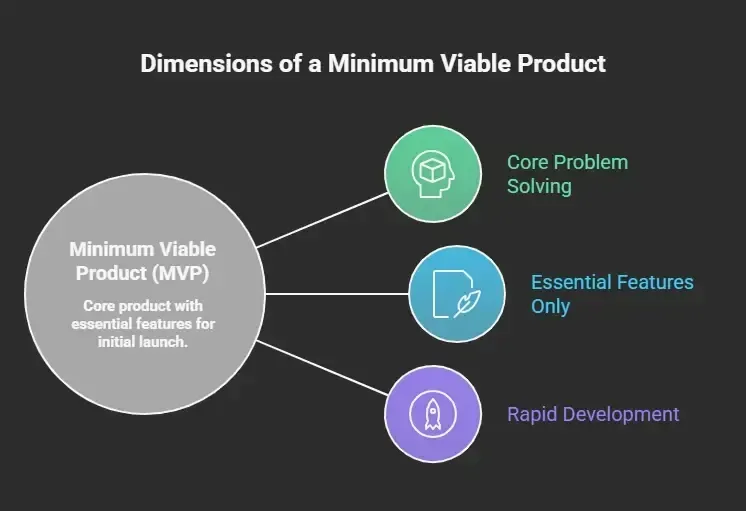 This approach comes from the lean startup method. You don’t need perfection. You need speed and learning.
Step 5: Test with Real Users
After that, release your MVP to beta testers. Give early access to a small group of potential users. These early adopters will give you real feedback.
Pay attention to:
-
How they use your product
-
Where they struggle
-
What they love
This is where you identify usability issues. Keep gathering feedback and improving your product concept.
Step 6: Track Metrics and Improve
Then, start tracking key numbers.
Here are a few you should watch:
| Metric | Why It Matters |
|---|---|
| Conversion Rate | Shows market interest |
| Customer Acquisition Cost | Helps plan growth |
| Retention Rate | Indicates product market fit |
| Engagement | Shows real demand |
Use both quantitative data and qualitative feedback. This is where market validation helps you avoid costly mistakes.
Step 7: Refine Your Value Proposition
Your value proposition is what makes people choose your product. So, refine it based on feedback.
Ask:
-
Is it clear?
-
Is it different from existing solutions?
-
Does it solve real pain points?
A strong value proposition makes your product stand out in the market.
Step 8: Prepare for Product Launch
Now you’re getting close. Plan your product launch carefully.
Think about:
-
Pricing strategies
-
Pricing models
-
Marketing campaigns
You should also define your business model and business plan. If your validation is solid, this stage becomes much smoother.
Step 9: Move to a Single Platform Build
Here’s where things get interesting. In 2026, many builders are using single platforms to go from idea to deployment.
This reduces friction. You don’t need multiple tools. You don’t need complex setups.
You can:
-
Build your MVP
-
Test with real customers
-
Launch your product
All in one place.
Rocket: Build, Validate, and Launch
Let’s talk about Rocket.
Rocket is built for founders who want to go from a product idea to a live product without juggling multiple tools. It brings everything into one place so you can move faster while staying focused on your market.
How Rocket Fits into Your Market Validation Journey
Rocket supports the full journey from early validation to product launch in a clean, structured way.
You can:
-
Create high-converting landing pages to test market interest and capture potential users
-
Build your minimum viable product with just enough features to validate your product concept
-
Deploy your product directly without complex setup or switching platforms
All of this happens in one system.
So instead of wasting time moving between tools, you stay focused on your target users, collect feedback faster, and keep improving your product based on real demand..
How Rocket Works Behind the Scenes
Based on Rocket’s documentation, the platform follows a simple and structured build flow.
Here’s how it works:
-
Start with your product concept: You begin by defining what you want to build and who it’s for. This keeps your product aligned with your target market from the start.
-
Design and build visually: Rocket provides a visual environment where you can shape your product or service without getting stuck in complex setups.
-
Add features step by step: You don’t need to build everything at once. You can introduce core features gradually, which fits perfectly with the lean startup approach.
-
Test and iterate quickly: As you build, you can test with real users, gather insights, and refine your value proposition based on real feedback.
-
Deploy instantly: Once ready, you can push your actual product live directly from the platform.
This flow supports fast iteration, making it easier to validate ideas, improve your product concept, and move toward a successful product launch without slowing down..
Community Insight
Here’s something interesting from a Reddit discussion on building products fast:
“The biggest mistake I made was building too much before talking to users. Once I started doing customer interviews early, everything changed.”
This shows how important market validation research really is.
From Idea to Product Launch
So, what does the full journey actually look like when you put everything together?
It’s a simple, step-by-step flow that keeps you focused on the market while building your product the right way:
-
Start with a product idea: Define what you want to build and the problem it solves.
-
Understand your market: Research your target market, study trends, and identify real demand.
-
Run market validation: Test your product concept using methods like a landing page, customer interviews, and feedback loops.
-
Build a minimum viable product: Create a simple version with just enough features to test your idea.
-
Test with users: Share your product with real users and gather real feedback.
-
Improve based on feedback: Refine your product, fix issues, and adjust your value proposition.
-
Launch your product: Go live with confidence, backed by real insights and validated demand.
And the best part?
You can do all of this on a single platform like Rocket, keeping your entire journey smooth, focused, and connected.
Turning Validation into a Live Product
Many founders spend months building without checking real demand in the market. They rely on assumptions instead of learning from potential customers, which leads to wasted effort and missed opportunities. A clear market validation process changes that. By testing your product concept early, talking to users, and collecting feedback, you reduce risk and build something people actually want.
Going from Market Validation to Deployed Product is much faster in 2026 when you use the right tools. Platforms like Rocket.new help you validate, build, and launch in one place. Keep your approach simple, stay close to your users, and keep improving based on real feedback.
Table of contents
- -Why This Journey Matters in 2026
- -Before You Jump Into the Steps
- -Step 1: Start with a Clear Product Idea
- -Step 2: Understand the Market Before Building
- -Step 3: Run Your Market Validation Process
- -1\. Landing Page Test
- -2\. Customer Interviews
- -3\. Online Survey
- -4\. Focus Groups
- -Step 4: Build a Minimum Viable Product
- -Step 5: Test with Real Users
- -Step 6: Track Metrics and Improve
- -Step 7: Refine Your Value Proposition
- -Step 8: Prepare for Product Launch
- -Step 9: Move to a Single Platform Build
- -Rocket: Build, Validate, and Launch
- -How Rocket Fits into Your Market Validation Journey
- -How Rocket Works Behind the Scenes
- -Community Insight
- -From Idea to Product Launch
- -Turning Validation into a Live Product