
Rocket.new removes the traditional gap between research and development by integrating workflows into a single platform, enabling teams to move from insights to execution faster, with fewer delays and greater collaboration efficiency.
Have you ever felt like the handoff between research and build slows everything down?
The short answer is yes; it usually does. Most teams lose time, context, and clarity during this transition, turning valuable insights into fragmented execution.
Research from Atlassian shows how serious this problem is: employees waste hours every week clarifying unclear communication, highlighting how disconnected workflows directly impact productivity.
That gap becomes even more obvious when research is separated from build.
So, what if that gap simply didn’t exist? That’s exactly what platforms like Rocket.new are trying to fix.
The Traditional Handoff Problem
Let’s break this down simply.
In a typical project, research happens first. Researchers gather data, run market analysis, and document findings. Then, they pass everything to the designer and engineering teams. This is where the handoff process begins.
Sounds fine, right? Not really.
The problem is that the team working on building often gets only partial context. Files are shared. Documentation is created. But the deeper knowledge gets lost.
Where things break
-
The research team works in one set of tools
-
The designer works in another
-
Engineering starts fresh with code
Each step adds friction. Each step increases project complexity. The handoff becomes a bottleneck instead of a bridge.
Why Handoff Exists in the First Place
Well, the reason is simple.
Different teams have different priorities.
Researchers focus on insights, data, and market understanding. The designer focuses on user experience, prototypes, and the design system. Engineering focuses on code, performance, and development.
This separation made sense earlier. But now, it creates delays.
The more layers you add, the more the process slows down. The team spends more time explaining than building.
What Changes When Research and Build Stay Connected
Now let’s flip the script.
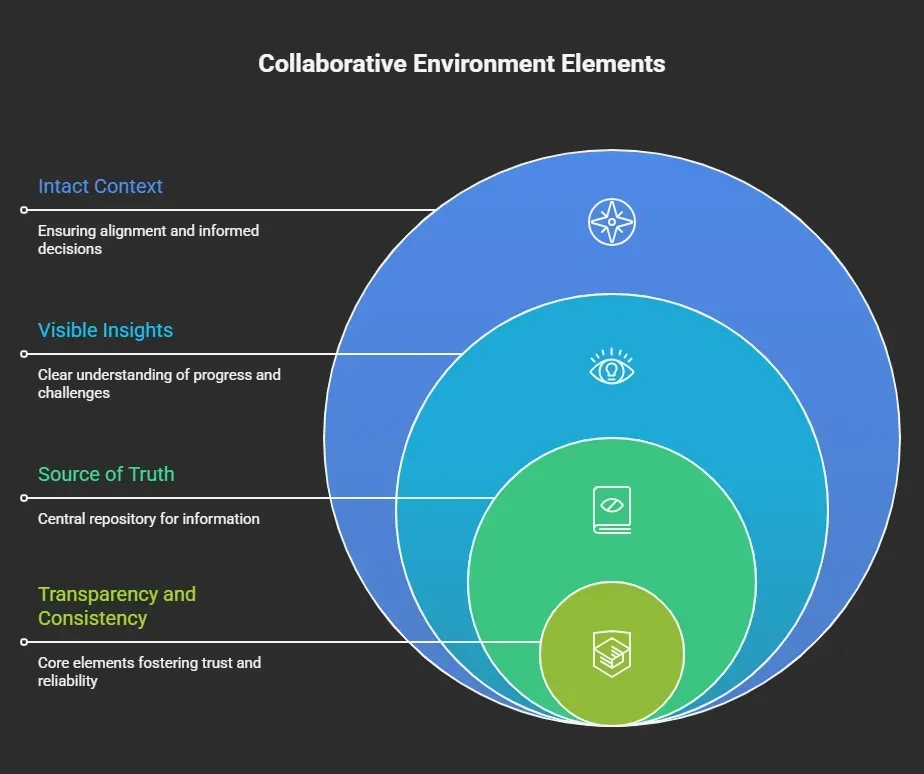 This is where shared context plays a big role.
Instead of sending documents back and forth, everyone works inside the same system. That means researchers, designer, and engineering teams are always aligned.
No extra explanation. No repeated tasks.
Just ongoing collaboration.
A Quick Comparison
Here’s a simple table to show the difference:
| Aspect | Traditional Workflow | Connected Workflow (rocket.new style) |
|---|---|---|
| Research access | Static files | Live data and insights |
| Handoff process | Multiple steps | No separate handoff |
| Collaboration | Limited | Continuous collaboration |
| Context | Often lost | Always available |
| Build speed | Slower | Faster |
| Feedback loop | Delayed | Instant |
This is the shift. The handoff disappears because it is no longer needed.
How Designers and Engineers Work Differently
So, what changes for the designer and engineering teams?
Designers
The designer no longer waits for finalized documentation. They can access research directly.
They can:
-
Review insights
-
Check findings
-
Create prototypes based on real data
This improves design system decisions. It also helps reduce guesswork.
Engineers
Engineering teams don’t start from scratch. They work with context already available.
They can:
-
Access research notes
-
Understand user needs
-
Build features that match the concept
This makes development smoother. It also reduces rework.
The Role of Data and Context
Data is at the center of everything.
In traditional workflows, data gets summarized and passed along. But that summary loses depth.
In a connected system:
-
Data stays live
-
Context stays attached
-
The team can track changes
This leads to better decisions.
Also, edge cases are easier to handle. Why? Because the full context is always visible.
A Simple Example
Let’s take a quick example.
A team wants to create a mobile app for fitness tracking.
Traditional approach
-
Researchers gather market data
-
They create a report
-
The designer reads it
-
Engineering builds based on interpretation
By the time the app is ready, some insights may already be outdated.
Connected approach
-
Researchers log insights in real time
-
The designer builds prototypes directly from those insights
-
Engineering develops features with full context
No confusion. No repeated communication.
That’s the difference.
Community Insight
Here’s something interesting from Reddit:
“Most of our delays don’t come from coding. They come from trying to understand what the research team actually meant.”
This shows the real issue.
The problem is not the build. It’s the gap before it.
What rocket.new Does Differently
Now let’s talk about rocket.new.
This platform removes the need for a traditional handoff process.
Instead of separating research and build, it keeps everything in one place.
Key idea
Rocket.new works as a single source of truth.
-
Research is stored and updated live
-
Design and prototypes are created inside the same environment
-
Code generation happens with full context
This means no loss of knowledge.
How rocket.new Works
Based on its documentation, the system is simple but powerful.
1. Start with research
You begin by adding your research.
-
Market analysis
-
User insights
-
Data points
Everything is logged in one place.
2. Move to concept
Then, the team shapes the idea.
-
Define features
-
Outline user interactions
-
Prepare early prototypes
3. Design begins
The designer starts building visuals.
-
Create components
-
Apply styles
-
Use the design system
4. Build directly
Now comes the interesting part.
Instead of handing off files, the platform helps create code directly.
-
Generate code
-
Develop features
-
Implement changes
5. Continuous updates
The process does not stop.
-
Feedback is added
-
Insights are updated
-
The team stays involved
No break. No pause.
Key Features
- Shared workspace: A unified environment where researchers, designers, and engineering teams work together in one place, reducing silos and improving coordination.
- Live documentation: Documentation evolves alongside the project, ensuring that information stays current and relevant instead of becoming outdated.
- Built-in tools: No need to switch between multiple platforms. All essential tools are integrated, helping teams stay focused and productive.
- Prototypes and components: Easily create prototypes and reusable components, speeding up development and maintaining consistency across the project.
- Code generation: Designs can be translated into code with system assistance, reducing manual effort and accelerating development.
- Collaboration features: Communication happens within the platform, eliminating the need for external tools and keeping discussions tied to the work.
Together, these features create a streamlined workflow where ideas move quickly from concept to execution without unnecessary friction or tool switching.
Why This Matters for Teams
So, why does all this matter?
Because time and clarity are everything in a project.
When the team avoids unnecessary handoff steps:
-
They save time
-
They reduce confusion
-
They improve collaboration
Also, the team can focus on what really matters. Building better solutions.
The Role of Skills and Organization
This shift also changes how teams work.
Teams need:
-
Better collaboration skills
-
Strong understanding of context
-
Ability to work in a collaborative system
The organization also benefits.
-
Fewer delays
-
Better project tracking
-
Improved communication
How It Connects Back to the Title
The title talks about removing the gap between research and build.
Rocket.new does exactly that.
It keeps everything connected.
-
Research is not separate
-
Build is not delayed
-
The team works together
That’s why the handoff disappears.
Fixing the Handoff Between Research and Build
The problem
The traditional workflow splits research and build into separate stages. This creates delays, confusion, and loss of context. The team spends more time managing the handoff than actually building the project.
The solution
Keep everything in one place. Use a system where research, design, and engineering work together. Let the team access the same data, insights, and context without interruption.
The main takeaway
When the handoff between research and build is removed, the team works faster and smarter. The project becomes easier to manage, and the final product reflects real insights instead of assumptions.
Table of contents
- -The Traditional Handoff Problem
- -Where things break
- -Why Handoff Exists in the First Place
- -What Changes When Research and Build Stay Connected
- -A Quick Comparison
- -How Designers and Engineers Work Differently
- -Designers
- -Engineers
- -The Role of Data and Context
- -A Simple Example
- -Traditional approach
- -Connected approach
- -Community Insight
- -What rocket.new Does Differently
- -Key idea
- -How rocket.new Works
- -1\. Start with research
- -2\. Move to concept
- -3\. Design begins
- -4\. Build directly
- -5\. Continuous updates
- -Key Features
- -Why This Matters for Teams
- -The Role of Skills and Organization
- -How It Connects Back to the Title
- -Fixing the Handoff Between Research and Build
- -The problem
- -The solution
- -The main takeaway