Supply Chain Technology Pricing Website Template
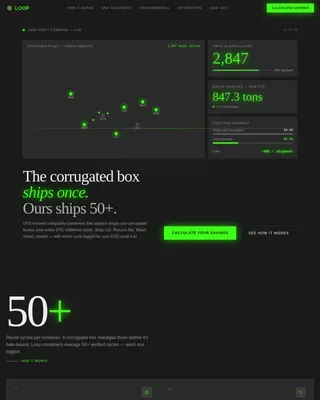
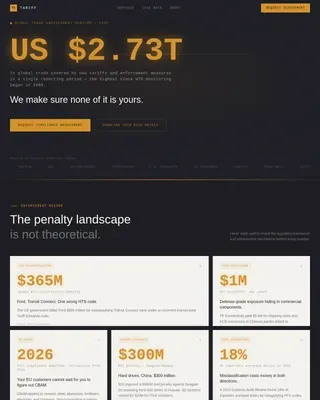
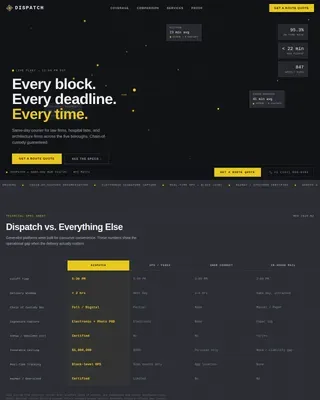
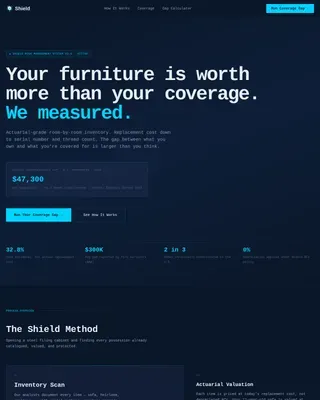
Twin is a dark-mode, data-command landing page template built for digital supply chain twin platforms. It opens with an interactive disruption cost estimator as the hero, flows through zigzag spec-sheet sections covering data ingestion, simulation modeling, and automated response, and closes with a two-step technical brief request form. Purpose-built for VP-level supply chain and logistics enterprise audiences.
by Rocket studio
Quick summary
Twin is a single-page B2B landing page template for enterprise supply chain intelligence platforms. The hero is a live disruption cost estimator, not a static banner. Zigzag spec-sheet sections walk visitors through four capability modules. The page closes with a dual conversion path: a gated technical brief request form and an API documentation link.
Who this template is for
This template is designed for enterprise software teams and agencies building go-to-market pages for complex B2B supply chain platforms. It speaks directly to the decision-makers who evaluate these tools before looping in procurement.
- Supply chain technology companies launching a digital twin or simulation platform to VP and director-level buyers
- Logistics software vendors targeting 3PL providers, mid-market manufacturers, or pharmaceutical procurement teams
- Agencies and product teams who need a high-credibility, data-forward landing page that earns trust before asking for a demo
What problem this template solves
Most enterprise software landing pages lead with a headline and a stock photo. That approach fails with technical buyers who need proof before they engage. This template replaces the typical hero with a working estimator that produces a personalized revenue-at-risk number. That single interaction reframes the conversation.
- Supply chain leaders have no patience for vague value propositions; this template leads with quantified output, not marketing language
- Technical evaluators need architecture evidence before they can recommend a platform upward; the secondary API docs path serves that need
- Two-step forms that ask for company details and integration environment qualify leads more precisely than a single generic contact field
What you get with this template
You get a complete, production-ready landing page structure with high-interactivity components and a data-command visual identity baked in. Every section is scoped to a specific stage of the buyer journey, from first awareness through technical qualification.
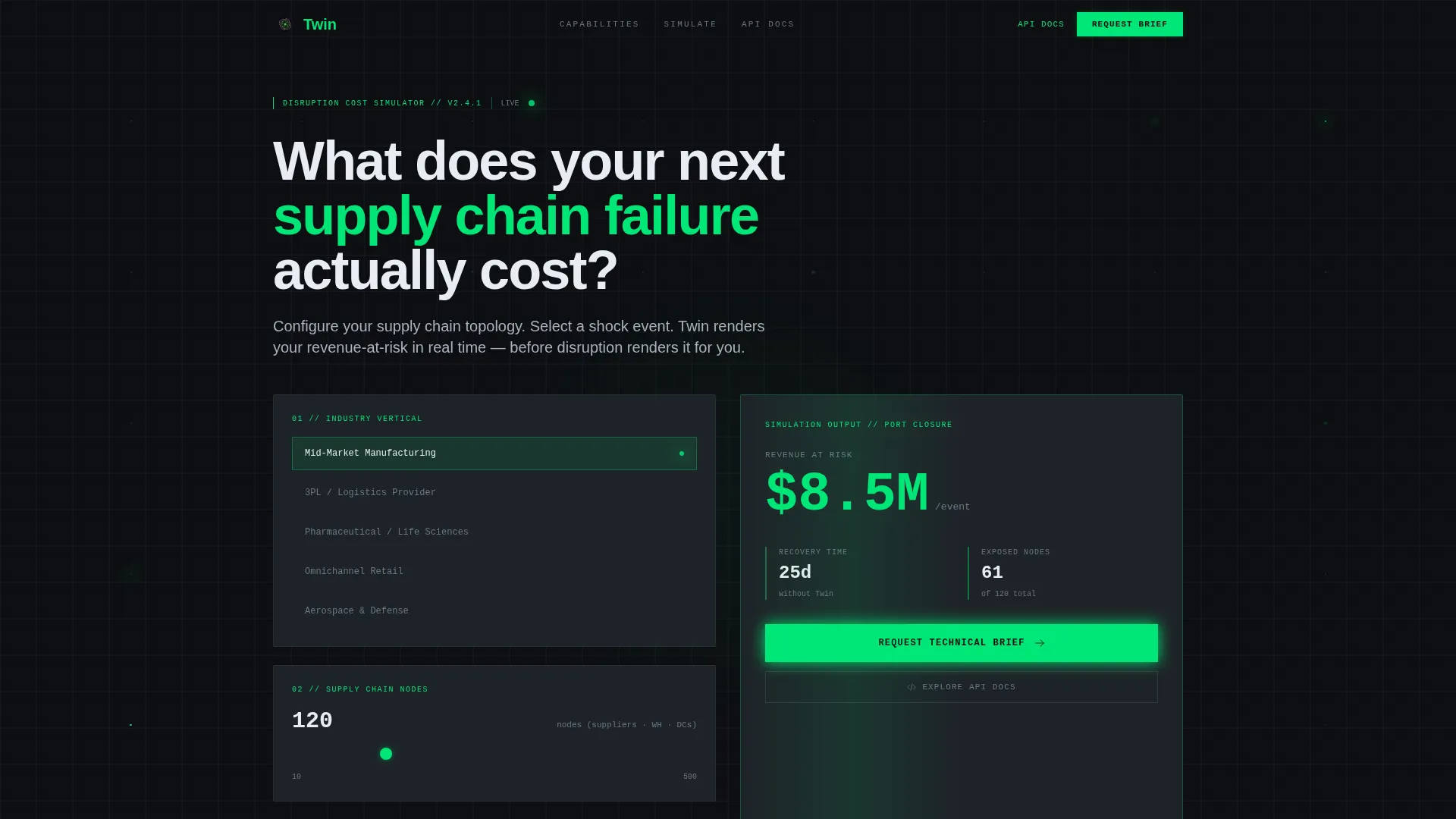
- A working disruption cost estimator hero with industry vertical selector, node count input, shock event toggle, and signal green ticking results
- Four zigzag spec-sheet sections covering data ingestion, graph modeling, Monte Carlo simulation, and automated playbook triggering
- A two-step gated form collecting company name, node count, role title, and integration environment, plus a secondary API documentation conversion path
Feature list
This template is built around a specific set of high-interactivity, high-credibility components. Each one is scoped to the source brief.
Disruption Cost Estimator Hero
The header is a functioning calculator. Visitors select an industry vertical, input their approximate supply chain node count, and toggle a simulated shock event such as a port closure, supplier bankruptcy, or demand spike. Within two seconds the estimator renders projected revenue-at-risk and estimated recovery time in signal green digits against cockpit black, ticking like a live data feed.
Zigzag Spec-Sheet Layout
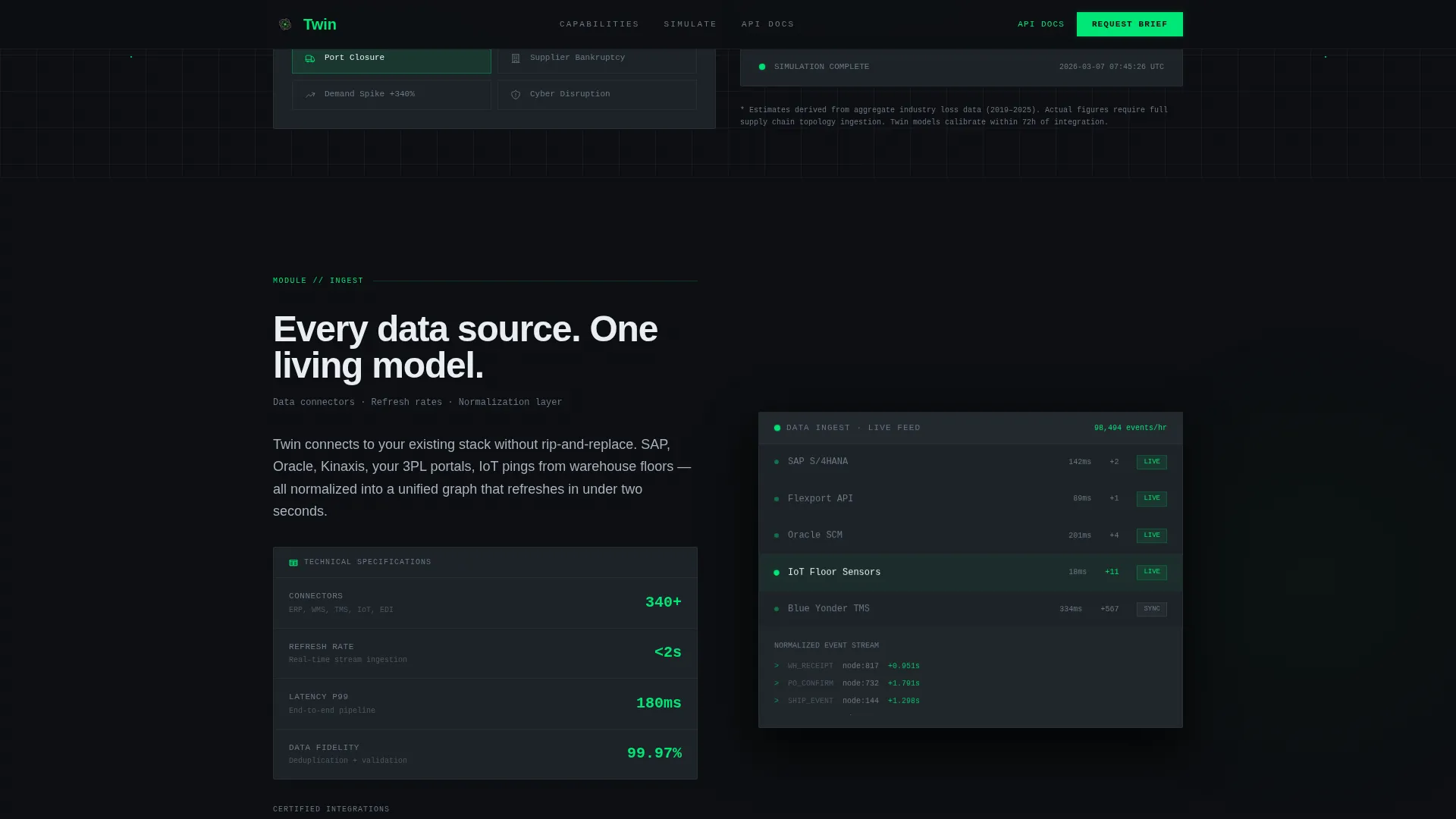
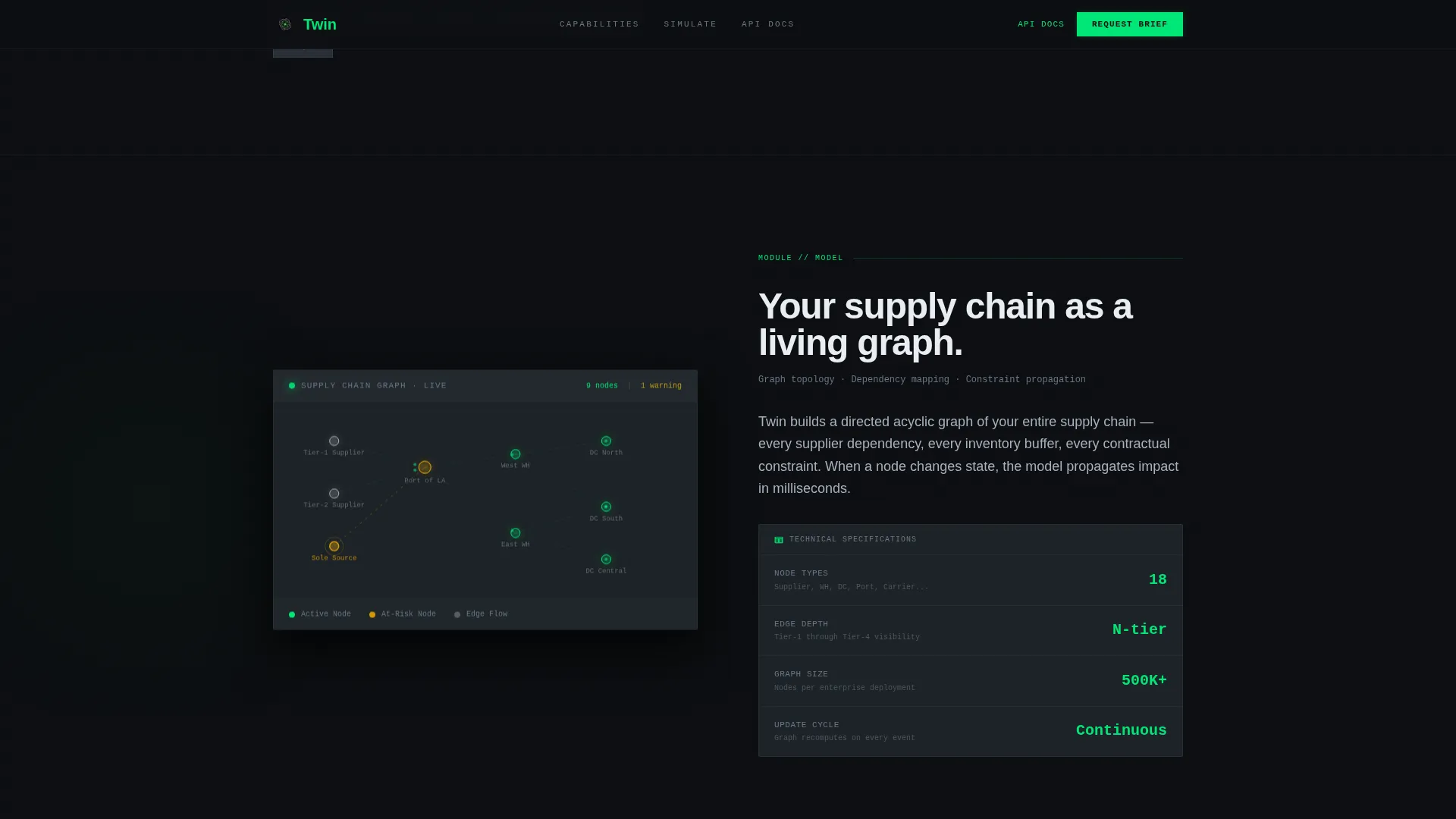
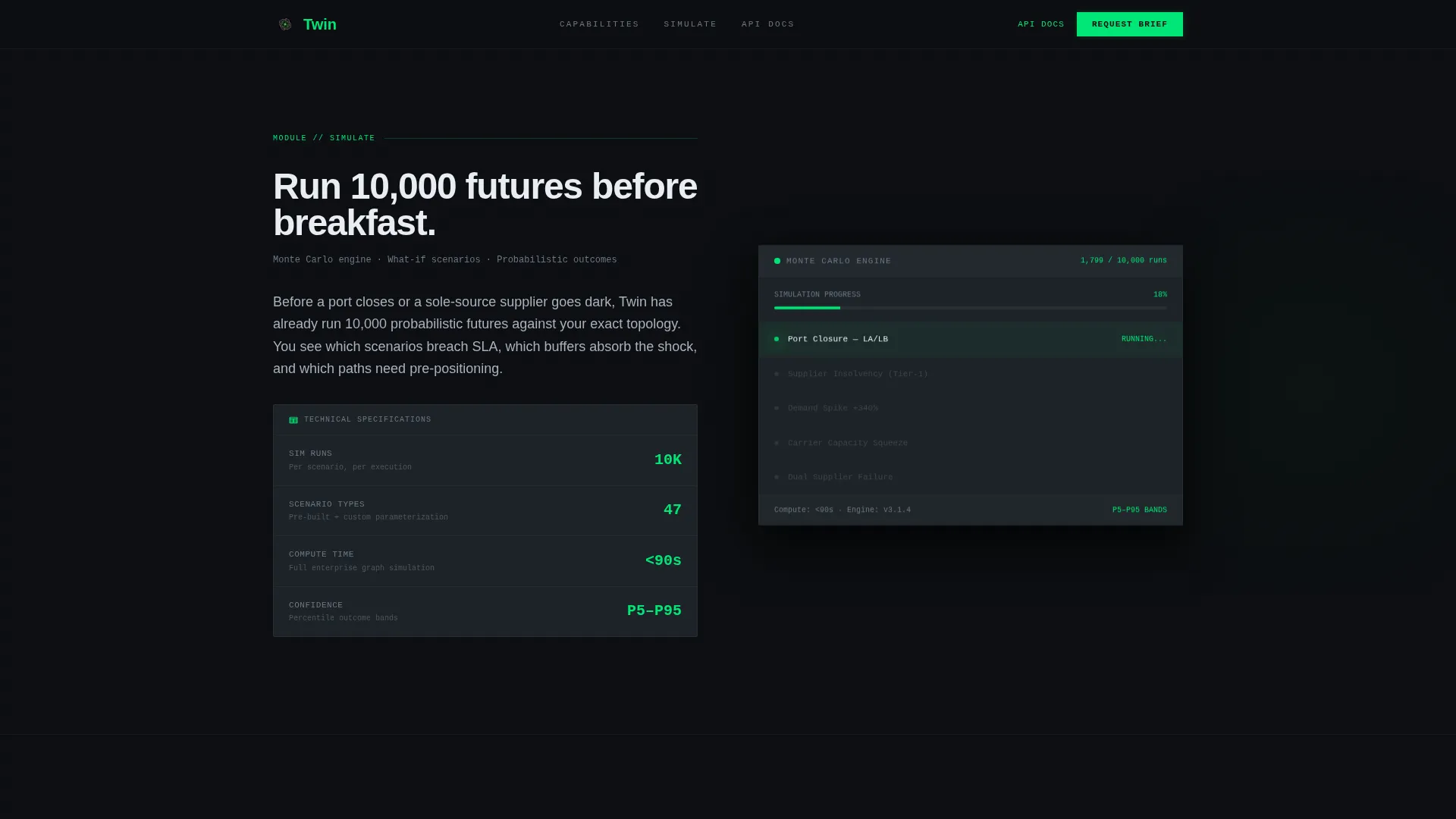
Each alternating section reads like a technical data sheet for a distinct capability module. Left-side panels carry the spec: quantified metrics, integration environment references, and latency benchmarks. Right-side panels show corresponding dark-mode user interface screenshots with signal green data pulses. The scroll cadence mirrors a defense contractor capability brief.
Four Capability Module Sections
The page covers four named modules in sequence: Ingest, Model, Simulate, and Act. Ingest covers data connectors and refresh rates. Model covers graph topology and scenario engine structure. Simulate presents Monte Carlo run parameters and what-if configurations. Act shows automated playbook triggers and alert routing logic.
Two-Step Gated Conversion Form
The primary call to action is "Request Technical Brief," placed immediately after the estimator result and repeated at page bottom. Step one collects company name and supply chain node count. Step two asks for role title and integration environment. This staged approach improves lead quality without adding friction upfront.
Dual Conversion Path Design
A secondary call to action, "Explore the API Docs," runs alongside the primary form throughout the page. It serves technical evaluators who need architecture proof before escalating to leadership. Both paths co-exist without competing, because they serve different buyer roles at different stages of the evaluation process.
Scroll-Linked Animation System
The template includes ticking counter animations, scroll-linked section reveals, staggered data pulse effects, and cursor parallax. These interactions reinforce the real-time data platform narrative without relying on illustration or stock photography. Every animation is tied to information rather than decoration.
Page sections overview
| Section | Purpose |
|---|---|
| Disruption Cost Estimator | Hero calculator that renders revenue-at-risk and recovery time output |
| Ingest Module Spec | Zigzag section covering data connectors, refresh rates, and integration logos |
| Model and Simulate Specs | Alternating zigzag pair covering graph topology and Monte Carlo engine |
| Act Module Spec | Automated playbook triggers and alert routing configuration display |
| Social Proof Block | Quantified credibility metrics and anonymized client logos by vertical |
| Dual Call to Action | Technical brief form and API docs link with supporting context |
| Footer | Linear single-row footer pattern |
Design & branding system
The visual identity follows a Data Command theme built on a Carbon Fiber color palette. The aesthetic is intentionally matte and layered, referencing the interior of a stealth aircraft instrument panel where brightness exists only where information demands attention.
- Color palette: cockpit black (#0D0F12) as the base, woven carbon gray (#1E2328) for surface layering, tactical silver (#A8B2BD) for body text and labels, and signal green (#00E676) reserved exclusively for live data accents, active states, and call-to-action surfaces
- Typography: DM Sans for headings and interface labels, JetBrains Mono for data values, metrics, and code-style content, reinforcing the real-time data feed aesthetic
- No stock photography and no illustration; the estimator tool and dark-mode user interface screenshots carry all visual weight
Mobile & speed optimization
The template is designed desktop-first, matching the workstation environment of its primary audience: VP-level and director-level supply chain professionals. Responsive behavior is built in for mobile without compromising the desktop experience.
- Desktop-first layout prioritizes wide-screen readability for the estimator, spec-sheet tables, and zigzag panel pairs
- Server components handle static sections to support rendering efficiency, while client components power the estimator calculator and scroll-linked animations
- Mobile layout adapts the zigzag panels to stacked single-column flow, preserving content hierarchy on smaller screens
How this template helps you convert
The conversion architecture is built around earning the click rather than demanding it. By the time a visitor has interacted with the estimator and seen a personalized revenue-at-risk figure, the call to action feels like the logical next step rather than a cold ask.
- The estimator result creates a personal, quantified reason to engage; visitors who see their own numbers are far more motivated to request the technical brief than visitors who read generic benefit statements
- The two-step form structure reduces initial friction while collecting high-quality qualification data including role title and integration environment, giving sales teams precise context before first contact
- The secondary API documentation path keeps technical evaluators on the page and moving forward, rather than bouncing to search for architecture evidence elsewhere
Other information about this template
This template is a strong fit for go-to-market teams building awareness and lead generation pages in the supply chain technology space. It is equally useful for agencies that serve enterprise logistics software clients and need a credible, conversion-focused starting point.
- The template is built for the digital supply chain twin niche, where buyer skepticism is high and generic SaaS page patterns tend to underperform
- Integration environment options in the two-step form are designed to capture signals around platforms commonly found in enterprise supply chain environments, such as SAP, Oracle, and Kinaxis, helping sales teams prioritize outreach
- Localization defaults are set to English, USD pricing context, and US date format, consistent with an initial North American enterprise market focus
- Social proof elements use quantified metrics such as nodes indexed, simulations run, and mean time to recovery improvement, alongside anonymized client logos organized by industry vertical
Theme
Data Command
Creative direction
Spec Sheet
Color system
Carbon Fiber
Style
Zigzag/Alternating
Direction
Partnership/B2B
Page Sections
Interactive Disruption Cost Estimator
Zigzag Spec-sheet Section Layout
Four Named Capability Modules
Two-step Gated Lead Form
Dual Conversion Path Architecture
Scroll-linked Animation System
Related questions
Does this template include a working calculator or a static mockup?
Who is the primary audience for the call-to-action form?
Can technical evaluators use the page without completing the form?
What supply chain verticals does the estimator support?
Is this template ready for agency use with supply chain technology clients?