
Which features define a leading AI product platform today? Top platforms streamline ideation to launch, boost speed, align with needs, and leverage adoption to improve quality and time to market.
What makes the best AI product development platform in 2026?
A strong platform supports every step, from idea to launch, without slowing things down. It helps teams build faster, make smarter decisions, and stay close to real customer needs.
Recent Mckinsey reports show that over 70% of companies now use some form of artificial intelligence in their workflows, with many seeing improved time to market and better product quality. So, if you’re building anything today, this topic matters more than ever.
In this blog, you’ll learn what to look for in the best AI product development platform, how it fits into modern workflows, and how it can help you build smarter and closer to what users actually want.
Why AI is Changing Product Development in 2026?
Let’s keep it simple.
AI in product development is no longer a bonus feature. It’s part of the core product development process.
Teams now rely on AI tools to handle planning, testing, and even ideation. This shift is reshaping how companies approach the entire product development lifecycle.
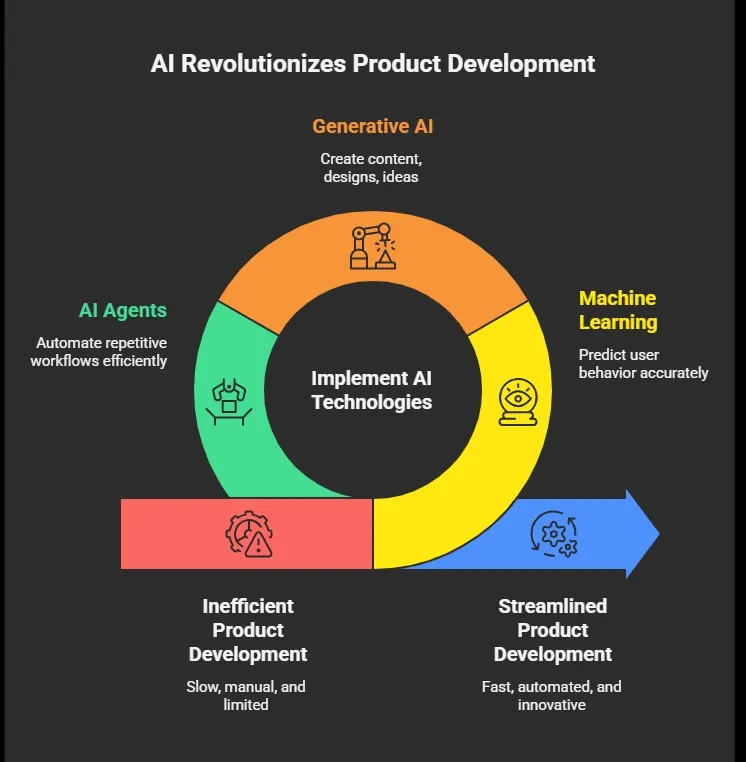
This combination leads to a smoother development process and better outcomes.
Also, companies are using AI to track market trends and adjust more quickly. That means better alignment with market demand and higher chances of product success.
What Makes a Great Platform Today?
Not all platforms are built the same. A great AI product development platform should support the full product development lifecycle, not just one part of it.
So, what should you look for?
1. Strong AI Capabilities
A good platform uses AI model systems to analyze data and suggest improvements. It should also support natural language processing so teams can interact with data easily.
This helps teams identify patterns and make smarter decisions using data-driven insights.
2. Support for Generative AI and Creative Work
Modern platforms include generative AI tools and gen AI features for content, design, and ideation.
This is where creative tasks get easier.
For example:
-
Writing product descriptions with AI-powered text
-
Creating UI drafts using generative design tools
-
Brainstorming new product ideas
This speeds up the creative process and keeps ideas flowing.
3. Smart Automation with AI Agents
This is a big one. AI agents are now everywhere.
They handle:
-
Testing
-
Data collection
-
Reporting
-
Workflow updates
That means fewer repetitive tasks are involved and more focus on strategy.
Many companies use multiple AI agents working together inside AI-powered systems to maintain a steady, continuous flow in their development workflows.
4. Better Feedback Loops
A strong platform connects directly with users.
It collects:
-
Customer feedback
-
Customer feedback data
-
User feedback
This data helps teams adjust quickly and improve product features. It also helps test market fit before full launch, saving time and effort.
5. Faster Development and Testing
Speed matters. A good platform supports rapid prototyping and short product development cycle iterations.
This leads to:
-
Faster validation
-
Better quality assurance
-
Reduced errors
It also improves time to market while maintaining product quality.
How AI Fits Into Each Stage
Let’s break it down. Here’s how AI in product development works across the product development life cycle.
| Stage | Role of AI | Outcome |
|---|---|---|
| Idea | Generative AI suggests product ideas | Faster ideation |
| Design | gen AI creates drafts | Quick visuals |
| Build | AI agents manage workflows | Smooth execution |
| Test | Machine learning detects issues | Better quality assurance |
| Launch | AI tracks market trends | Better market fit |
Simple, right?
The Role of Data in Modern Development
Data drives everything now.
Platforms use a data-driven approach to process large volumes of information. They turn such data into actionable insights that teams can actually use in real time.
This helps teams:
-
Adjust strategy based on real user behaviour
-
Improve customer satisfaction by fixing what users actually care about
-
Increase market share by staying ahead of competitors
Also, analyzing market trends helps companies stay relevant and avoid building things nobody wants. Teams can quickly spot what’s working and what’s not. And yes, this directly impacts business outcomes, from revenue to retention.
AI and Competitive Advantage
Let’s talk about results.
Companies using AI-driven product development often gain a clear competitive edge. They don’t just build faster, they build smarter.
Why?
-
Faster updates based on real-time data
-
Better decisions using predictive insights
-
Smarter resource allocation across teams and tasks
This leads to a stronger competitive advantage and better positioning in the market.
Also, using AI technology helps teams optimize product features and fine-tune the experience for users. Small improvements here can make a big difference in how a product performs.
Balancing Speed and Quality
Fast is good. But quality still matters.
The best platforms help teams balance speed with performance. They support both production processes and testing, so nothing breaks while moving quickly.
This improves:
-
Product quality by catching issues early
-
Customer satisfaction by delivering a smoother experience
Also, smart automation reduces manual work and leads to cost savings. Over time, this improves overall cost efficiency without slowing down the workflow. So, it’s not about choosing speed or quality. With the right setup, you get both.
Top AI Product Development Platforms in 2026
So, now let’s get practical. Which tools are actually worth your time?
Here are some of the best platforms shaping modern product development with strong AI tools, AI agents, and smart workflows.
1. Rocket.new
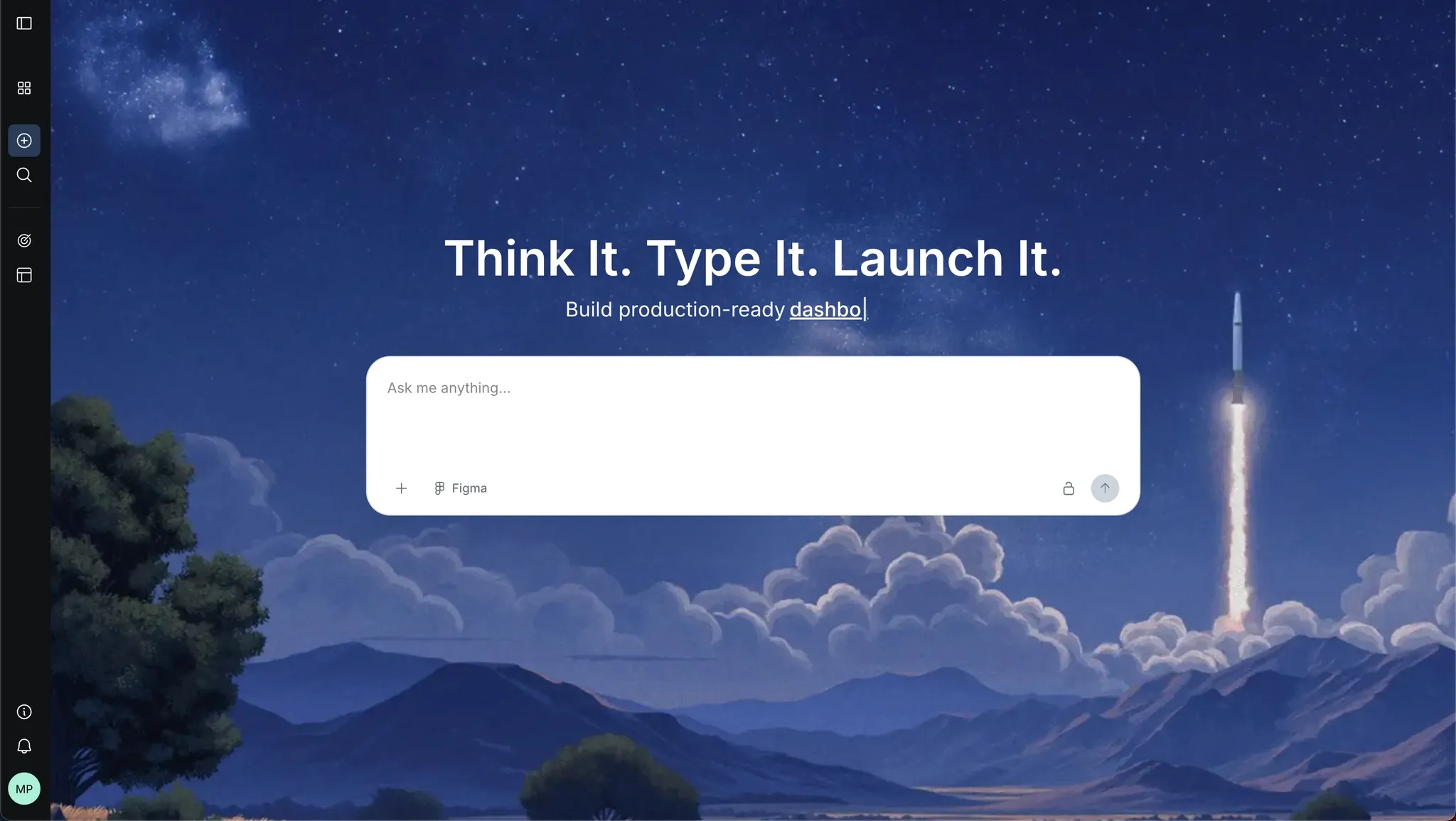
Rocket.new is not just another tool. It is a vibe solutioning platform, meaning it focuses on flow and clarity while building products. It supports the full product development lifecycle, from idea to launch, without making things feel complex.
What makes it different is how it blends Gen AI, automation, and real-time insights into one smooth system.
Key Features:
-
Prompt to App Creation: Builds apps directly from single prompts
-
Figma Import: Converts design files into live, editable layouts
-
AI-Powered Backend: Automatically handles logic, data, and workflows
-
Custom Domain Support: Publishes projects with a branded domain
-
Code Export: Allows developers to extend or customize later
-
Live Preview: Shows instant updates while editing
-
Reusable Components: Speeds up building with ready-to-use elements
-
Command-based actions: Use / and @ to run actions and quickly scope edits
Use Cases:
-
Startup launches: Quickly go from idea to working prototype
-
Feature validation: Use customer feedback to test and improve features
-
Workflow automation: Let AI agents handle updates, tracking, and reports
-
Scaling products: Manage growing product development needs without chaos
Best for: Startups, creators, and fast-moving teams that want clarity and simplicity.
Pricing: Typically offers tier-based pricing depending on usage and features (check the official site for the latest plans).
It helps teams streamline development, reduce delays, and improve product quality while keeping everything simple.
2. OpenAI Platform
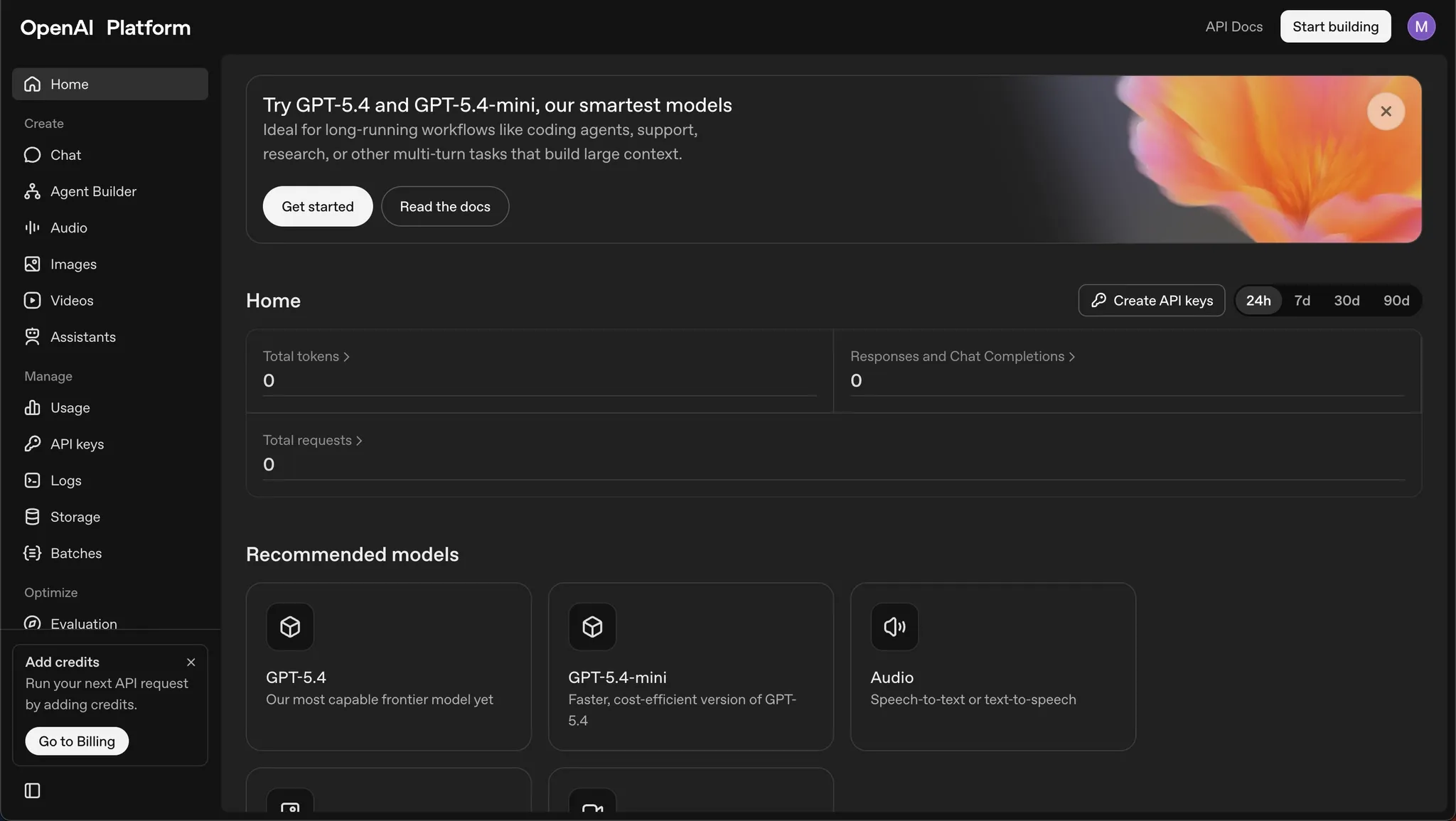
OpenAI offers powerful APIs that power many modern AI tools and applications. It’s widely used for generative AI, natural language processing, and automation.
Key Features:
-
Advanced AI model capabilities
-
Strong Gen AI support for text, code, and more
-
Useful for creative tasks and automation
-
Flexible for building custom solutions
Best for: Data-heavy teams and AI-focused companies.
Pricing: Pay-as-you-go based on usage.
It gives deep control over AI capabilities, making it great for teams building custom ai in product development solutions.
3. Google Vertex AI
Google Vertex AI is a strong platform for teams focused on machine learning and large-scale data. It supports end-to-end product development AI workflows.
Key Features:
-
Advanced machine learning pipelines
-
Tools for training and deploying AI model systems
-
Built-in support for data driven approach
-
Scalable infrastructure
Best for: Large organizations and enterprise teams.
Pricing: Usage-based pricing with enterprise plans.
It’s great for teams working with large datasets and looking to identify patterns and improve decision-making.
4. Microsoft Azure AI
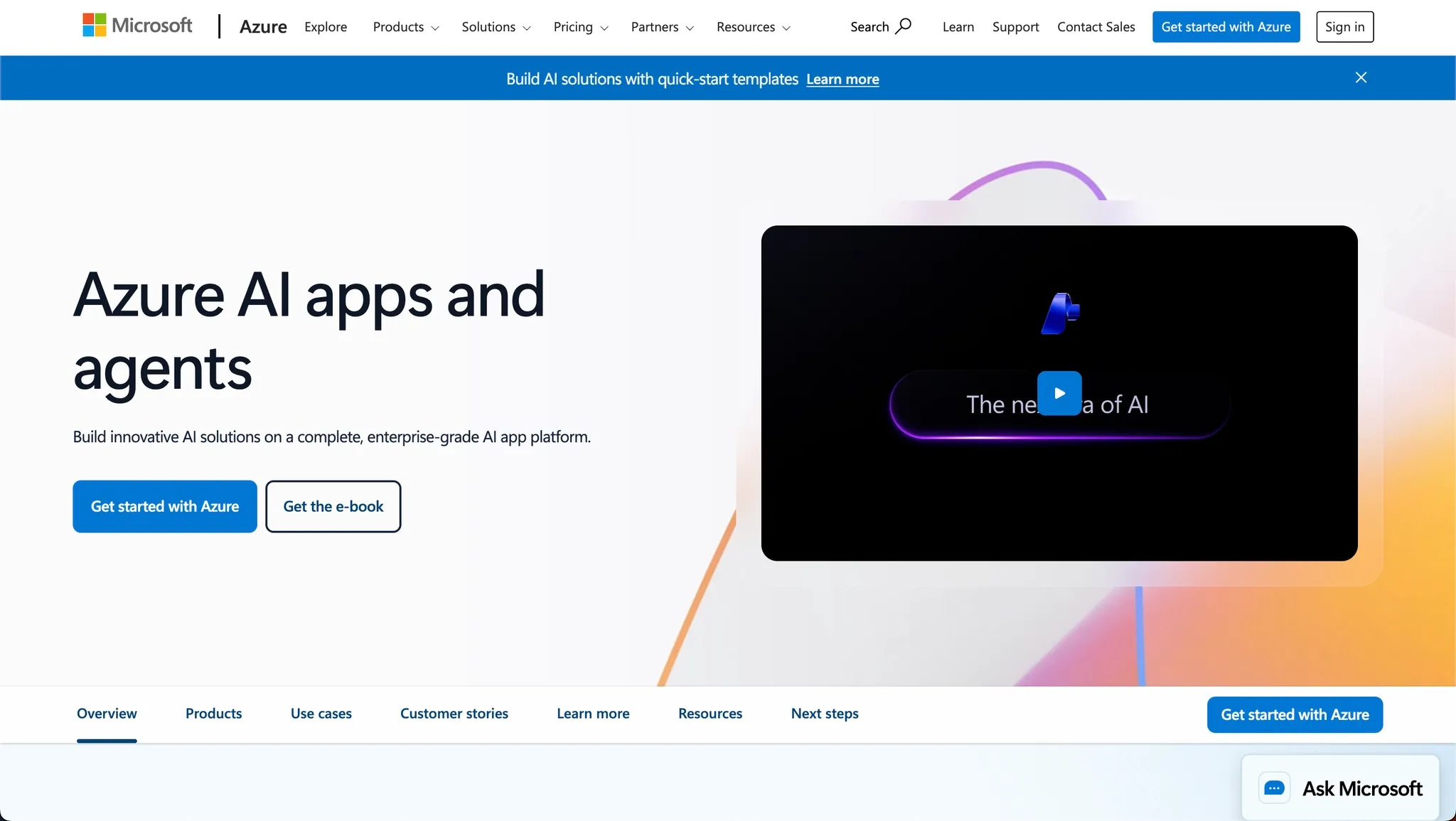
Microsoft Azure AI offers a wide range of services for AI powered systems and enterprise solutions. It’s widely used in large-scale development process setups.
Key Features:
-
Strong integration with cloud services
-
Support for AI agents and automation
-
Tools for quality assurance and testing
-
Focus on cost efficiency and scaling
Best for: Teams building AI-powered features or apps.
Pricing: Pay-per-use based on API usage.
It helps companies manage complex product development lifecycle setups with better control and reliability.
5. Notion AI
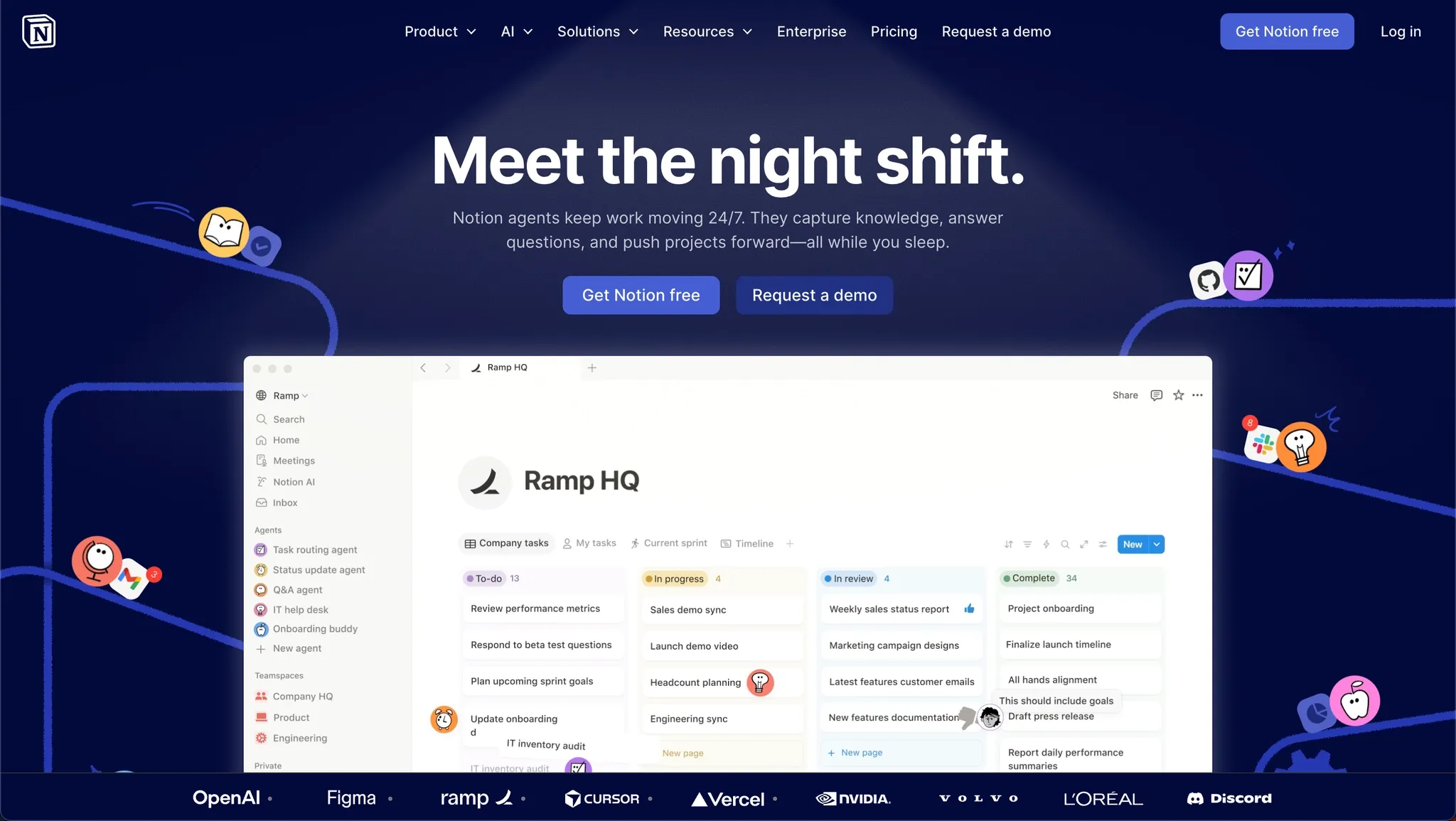
Notion AI is more lightweight but still useful for early-stage product development. It’s great for planning, documentation, and idea generation.
Key Features:
-
AI-powered writing and planning
-
Helps organize product development process
-
Supports brainstorming and product ideas
-
Easy to use for small teams
Best for: Small teams, creators, and beginners.
Pricing: Subscription-based with add-on AI features.
It’s simple, fast, and helps teams stay organized during the early product development stage.
Each of these platforms supports AI in product development in different ways. Some focus on heavy machine learning, others on speed and simplicity. The right choice depends on your goals, team size, and how much control you need.
But if you want a mix of speed, automation, and real-world usability, starting with Rocket.new is a smart move.
Insights from LinkedIn
Now, here’s a real take from LinkedIn:
“AI can analyze patterns and suggest solutions, but product decisions still come down to us.” Linkedin
This insight highlights something important. Even with strong AI in product development, the final call still depends on human input. AI can process data, spot trends, and suggest ideas, but people bring context, creativity, and judgment.
AI Trends to Watch
Let’s zoom out a bit.
Some emerging trends are shaping how teams approach modern product development, and they’re worth paying attention to.
-
More advanced AI model systems that can handle complex tasks with better accuracy
-
Better machine learning predictions, helping teams plan and reduce guesswork
-
Rapid growth in gen AI tools, especially for design, content, and prototyping
-
A stronger focus on increased sustainability AI, where systems help reduce waste and improve long-term efficiency
These trends are not just nice to have. They directly influence how companies build, test, and launch products.
Also, companies are now leveraging AI to accelerate innovation and respond faster to changing user needs. This means shorter cycles, smarter decisions, and better alignment with real-world demand.
All of these points point to one thing. This is an emerging technology that is actively shaping the future of product development.
Choosing the Right Path for Smarter Product Development
Teams often struggle with slow workflows, scattered tools, and unclear direction, which affects the entire product development pipeline and delays results. This is where Rocket.new steps as a clear solution. It brings everything into one place, simplifies the development process, and helps teams make smarter decisions using data. With built-in AI tools, Gen AI, and smart AI agents, it reduces friction and keeps workflows moving smoothly.
Using AI in product development is now a standard approach. Platforms like Rocket.new help teams move faster, stay aligned with users, and improve outcomes without losing quality. It supports long-term product innovation while helping teams build products that actually succeed in the market.
Table of contents
- -Why AI is Changing Product Development in 2026?
- -What Makes a Great Platform Today?
- -1\. Strong AI Capabilities
- -2\. Support for Generative AI and Creative Work
- -3\. Smart Automation with AI Agents
- -4\. Better Feedback Loops
- -5\. Faster Development and Testing
- -How AI Fits Into Each Stage
- -The Role of Data in Modern Development
- -AI and Competitive Advantage
- -Balancing Speed and Quality
- -Top AI Product Development Platforms in 2026
- -1\. Rocket.new
- -2\. OpenAI Platform
- -3\. Google Vertex AI
- -4\. Microsoft Azure AI
- -5\. Notion AI
- -Insights from LinkedIn
- -AI Trends to Watch
- -Choosing the Right Path for Smarter Product Development