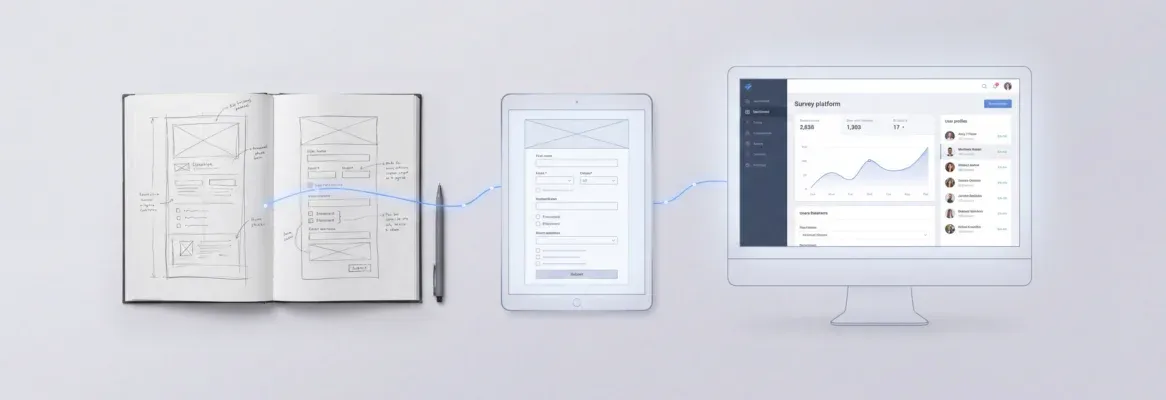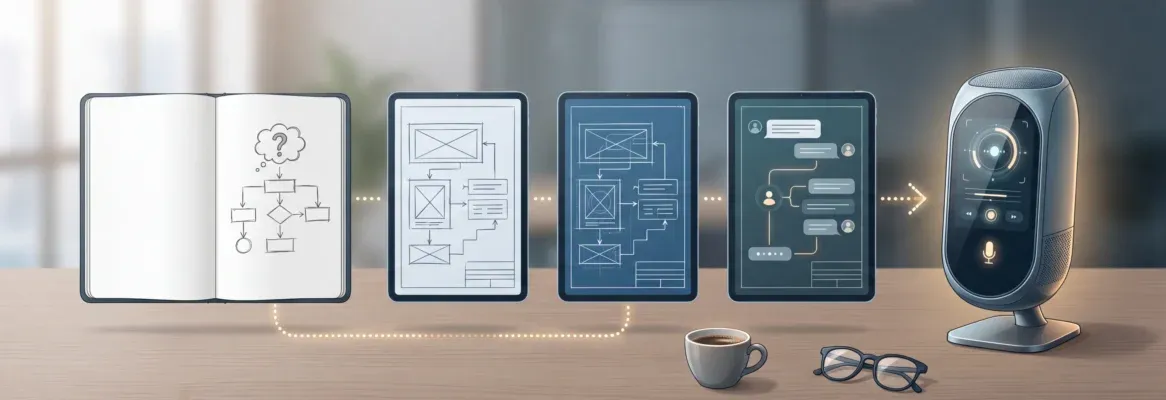
How ideas become apps without coding? Vibe solutioning platforms let you describe in plain language while AI builds functionality, speeding development, testing, and empowering teams to create solutions confidently.
What is a vibe solutioning platform?
It’s a platform where you describe your idea in natural language, and AI helps create apps, logic, and working systems for you. Instead of writing every line of code, you guide the process using prompts and feedback, which makes things feel more intuitive and less technical.
The shift is real.
According to a report by McKinsey, generative AI could add $2.6 trillion to $4.4 trillion annually to the global economy. This includes faster software development, smoother testing cycles, and smarter tools that help teams work better together and build solutions more quickly.
So in this blog, you will understand which platforms you can use, and how you can start turning your own idea into real apps with confidence.
What is Vibe Solutioning?
So, what does vibe solutioning really mean in simple terms? Think of it as a smarter way to turn your idea into real, working apps using AI, without getting stuck in heavy coding from the start.
Here’s how it works:
-
You begin with an idea, not code
-
You write a prompt describing what you want
-
You use plain language or natural language to explain your goal
-
The platform reads your intent and understands the context
-
It applies the right logic behind the scenes
-
The AI generates code and builds a working structure
-
You review the output and give feedback
-
Then you refine, tweak, and improve step by step
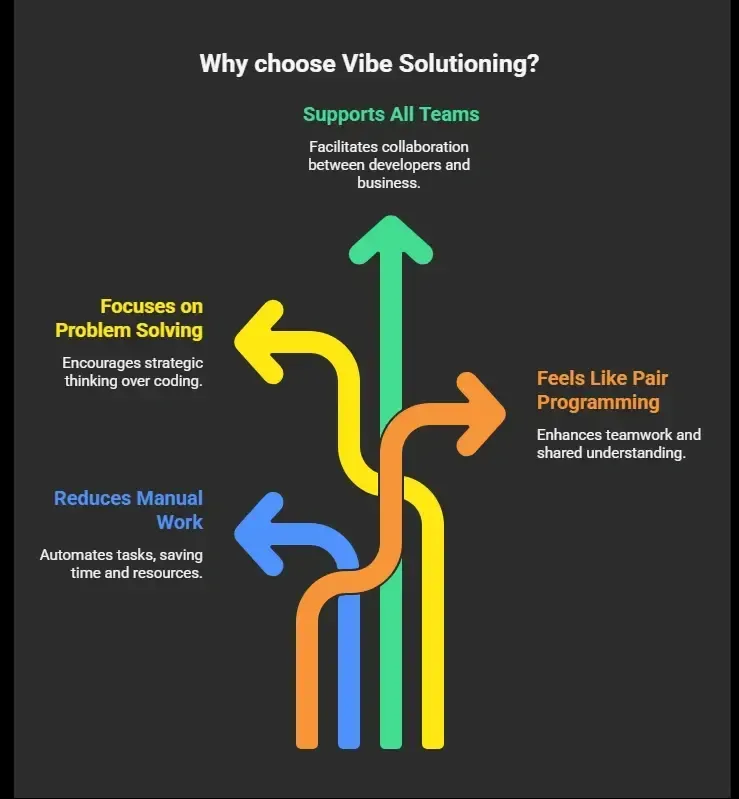
In short, vibe solutioning changes how apps are built. You guide the process, and the platform helps create the solution. It’s less about writing every line of code and more about shaping the right outcome.
How Does Vibe Coding Work?
So, how does vibe coding actually work in real life?
It’s simple.
You start with an idea, describe it clearly, and let the platform handle the heavy lifting while you guide the direction.
Here’s what happens step by step:
-
You open the platform and write a clear prompt
-
You describe your idea using natural language prompts
-
The AI models understand the context and intent
-
The AI generates structure for your app
-
It writes generated code based on your input
-
It builds a working prototype you can interact with
-
It connects different systems and features together
-
You review the output and give feedback
-
The platform updates and improves based on your input
That’s vibe coding in action. It feels less like traditional programming and more like guiding a smart system. The code still matters, but now it’s AI-generated code that you refine instead of building everything from scratch.
Why are Teams Moving Toward This?
Well, think about your typical development process.
It involves planning, coding, testing, fixing bugs, and repeating. A lot of context switching. A lot of back and forth inside the team.
With vibe solutioning, things move differently.
-
Faster rapid prototyping
-
Fewer delays between idea and launch
-
Better collaboration for business teams
-
Easier testing cycles
Many developers still review the source code. They still care about code quality. But now they spend more time on logic and less on repetitive tasks.
Where Can You Use It?
This is where things get fun. A vibe solutioning platform isn’t limited to one use case. You can apply it across different projects, whether you’re part of a team or building something on your own.
Here are some common use cases:
-
Build internal tools to manage workflows and tasks for your team
-
Create e-commerce platforms with product listings and checkout flows
-
Design customer dashboards to track activity and data
-
Work on personal projects and turn ideas into real apps
-
Develop web and mobile apps for different use cases
So yes, it’s not just for developers. Even non technical users can create working apps. That’s the goal of vibe solutioning, making software development more accessible for everyone.
Key Features You Should Look For
When choosing a platform, look at these key features:
| Feature | Why It Matters |
|---|---|
| Natural language support | Lets users describe ideas in plain english |
| Generated code control | You can edit and refine code easily |
| Testing tools | Helps run unit tests and validate logic |
| Rapid prototyping | Quickly build and iterate prototypes |
| Production ready output | Lets you launch real apps, not just demos |
| Team collaboration | Helps business teams and developers work together |
These features make the difference between a toy tool and a serious platform.
Vibe Solutioning vs Traditional Programming
Let’s compare this simply and clearly. Both approaches help you build apps, but they work very differently.
| Aspect | Traditional Programming | Vibe Solutioning |
|---|---|---|
| Starting point | You start by writing code manually | You start with a prompt |
| Process | Developers handle everything step by step | AI helps generate structure and logic |
| Expertise needed | Requires deep technical expertise | Accessible to both developers and business teams |
| Initial version | Slower to build the initial version | Faster to create a working prototype |
| Flexibility | High control over every detail | Easy to add features and iterate quickly |
| Time | More time consuming overall | Faster speed and rapid prototyping |
So, which one is better?
Honestly, both have their place.
Traditional programming still matters when you need deep control and complex systems. But vibe solutioning is great when your focus is speed, quick testing, and turning an idea into a working prototype fast.
👉Worth a Quick Read: Vibe Solutioning vs Traditional Development: Making the Best Choice
The Role of AI in This Shift
So, where does AI fit into all of this? Simply put, AI is the engine behind vibe solutioning. It handles the complex parts while you focus on shaping your idea.
Here’s what AI does in the process:
-
Natural language understanding: Reads your prompt and understands what you want
-
Context processing: Interprets the full context of your idea and requirements
-
AI models: Uses trained AI models to build structure and flow
-
Logic building: Applies the right logic to make the app functional
-
Code generation: Generates code for different parts of the system
-
System connection: Connects multiple systems and features together
-
Testing support: Suggests improvements during testing and refinement
Even with all this, human input still matters. Your idea, your feedback, and your strategy guide the outcome. The AI supports the process, but you stay in control of what gets built.
Community Insight
Here’s a real take from Reddit:
“Using AI tools feels like having a junior dev who works fast, but you still need to guide it properly.”
That sums it up well.
The platform doesn’t replace developers. It supports them.
Challenges You Should Know
Not everything is perfect. While vibe solutioning makes things faster, there are still a few challenges you should keep in mind.
Here are the common ones:
-
Generated code cleanup: The output may need refinement before it’s ready
-
Testing importance: Proper testing is still required to catch issues
-
Complex systems: Advanced projects may need manual work from developers
-
Code quality: The quality of code can vary depending on the prompt and context
That’s why teams still review everything before launch. Also, writing good prompts is a skill. The better your prompt, the better the result you get.
Rocket.new: A Platform Built for Vibe
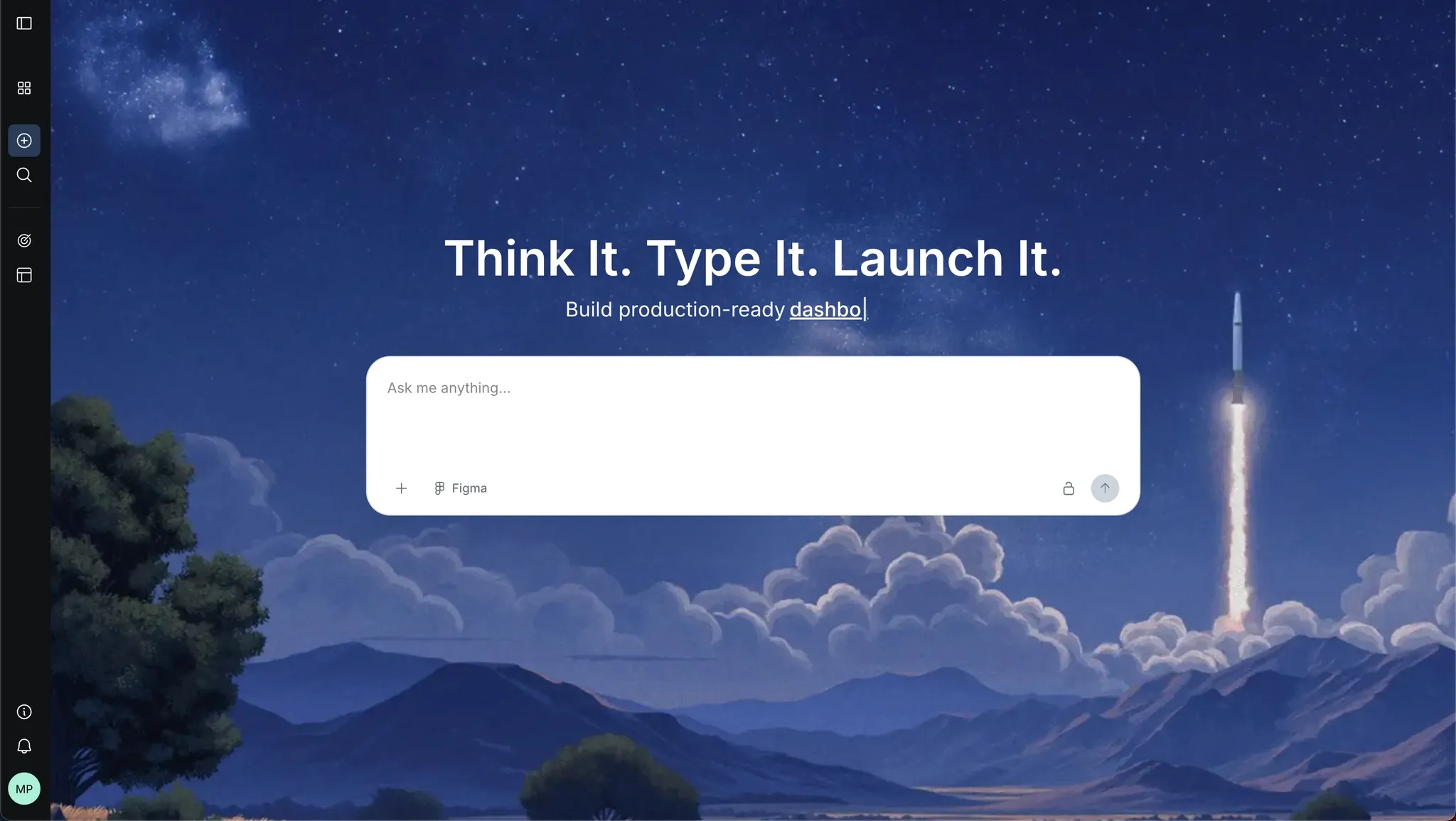
Rocket.new is a vibe solutioning platform designed to turn your ideas into real apps using AI. It clearly demonstrates how vibe solutioning works in action, taking a concept from a simple prompt all the way to production ready results.
If you want to understand how to go from idea to working apps using vibe coding, Rocket.new is a clear example. It connects natural language prompts and generated code into one smooth workflow.
What Makes Rocket.new Different?
-
Uses advanced AI models
-
Supports natural language prompts
-
Creates full apps, not just small snippets
-
Handles testing and structure automatically
-
Helps the team stay aligned and work together
The platform keeps your focus on building instead of struggling with tools or complex setup.
Top Features
-
Prompt to App Creation: Builds apps directly from single prompts
-
Figma Import: Converts design files into live, editable layouts
-
AI-Powered Backend: Automatically handles logic, data, and workflows
-
Reusable Components: Speeds up building with ready-to-use elements
-
Command-based actions: Use / and @ to run actions and quickly scope edits.
-
Live Preview: Shows instant updates while editing
-
Custom Domain Support: Publishes projects with a branded domain
-
Code Export: Allows developers to extend or customize later
You can create almost anything with just a prompt. That includes web app/mobile app projects, landing pages, full websites, internal tools, dashboards, and complete business systems.
Use Cases
1. Internal Tools: Teams can quickly create dashboards and systems for internal workflows. This reduces delays and keeps everything in one place.
2. eCommerce Platforms: Build shopping systems with product listings, checkout flows, and customer management features.
3. Personal Projects: Turn any idea into a working prototype fast. Then improve it into a production ready app step by step.
4. Business Apps; Create apps for customers, manage data, and support daily operations across different business needs.
Rocket.new is also backed by strong funding. It has raised a seed round with support from Salesforce Ventures and Together Fund. This shows growing interest from major players and highlights where vibe solutioning is heading next.
Why This Matters for the Future
The way people build apps is changing fast. The focus is now on speed, simplicity, and turning ideas into real projects without heavy coding.
-
Faster launch cycles
-
Better collaboration
-
More innovation
-
Lower entry barriers
-
Rapid prototyping
-
Continuous testing cycles
That’s why many developers and teams are already using this approach for building and testing apps faster.
So, Which Platform Should You Use?
Choosing the right platform depends on what you actually need and how you plan to build your projects.
-
Go for speed and simplicity with platforms like Rocket.new
-
Combine with traditional programming for deeper control
-
Start small if you’re a beginner
-
Pick based on your project goals
-
Choose tools that support scaling and adding features later
At the end of the day, the right platform is the one that helps you move from idea to working app with clarity and confidence.
From Idea to Launch: A Smarter Way to Build Apps
Building apps used to be slow and time consuming. Teams had to write every line of code, manage long testing cycles, and deal with constant back and forth. It required strong coding skills and a lot of coordination within the team, which often delayed launch and slowed down the entire development process.
Platforms like Rocket.new change that. With vibe solutioning platform capabilities, users can describe an idea in plain english and let AI create working apps with logic and structure. This helps teams move faster, test ideas quickly, and launch production ready systems with confidence, making it easier for developers and business teams to turn ideas into real results.
Table of contents
- -What is Vibe Solutioning?
- -How Does Vibe Coding Work?
- -Why are Teams Moving Toward This?
- -Where Can You Use It?
- -Key Features You Should Look For
- -Vibe Solutioning vs Traditional Programming
- -The Role of AI in This Shift
- -Community Insight
- -Challenges You Should Know
- -Rocket.new: A Platform Built for Vibe
- -What Makes Rocket.new Different?
- -Top Features
- -Use Cases
- -Why This Matters for the Future
- -So, Which Platform Should You Use?
- -From Idea to Launch: A Smarter Way to Build Apps