Immersive Literary Analysis Landing Page Template
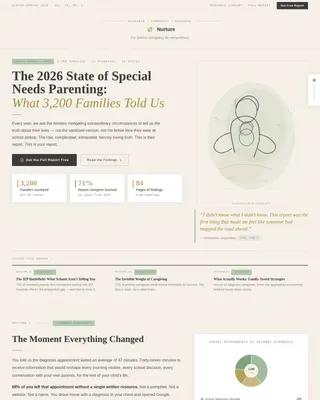
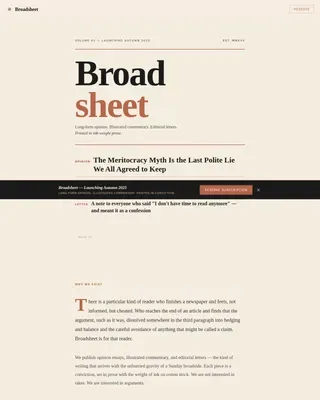
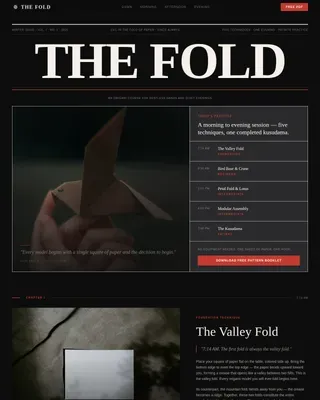
Marginalia is a single-column landing page template built for literary criticism online courses. It uses an Ink & Paper visual identity with cream backgrounds, sharp serif typography, and marginalia-red accents to create an editorial, essay-like experience. A click-through structure guides visitors from a bold headline through problem framing, course philosophy, a free sample lesson, and a curriculum reveal to enrollment.
by Rocket studio
Quick summary
Marginalia is a typographic-first landing page template designed for literary criticism and book review courses. It pairs a cream-and-ink color palette with an essayistic single-column layout to model the very close-reading it teaches. The page moves visitors from a striking headline through real before-and-after student writing, a course manifesto, an embedded sample lesson, and a curriculum section toward a single enrollment call to action.
Who this template is for
This template speaks directly to course creators, literary educators, and independent critics who want a landing page that feels as intelligent as the course it represents. It is built for a niche where first impressions are made through language and design in equal measure.
- Book bloggers and English literature graduates who want to teach others to move beyond reactive reading into rigorous literary criticism
- Independent educators and authors building a paid online course around close-reading, annotation practice, or journal-style literary analysis
- Literary critics and writing coaches who need a page that demonstrates intellectual quality before asking for enrollment
What problem this template solves
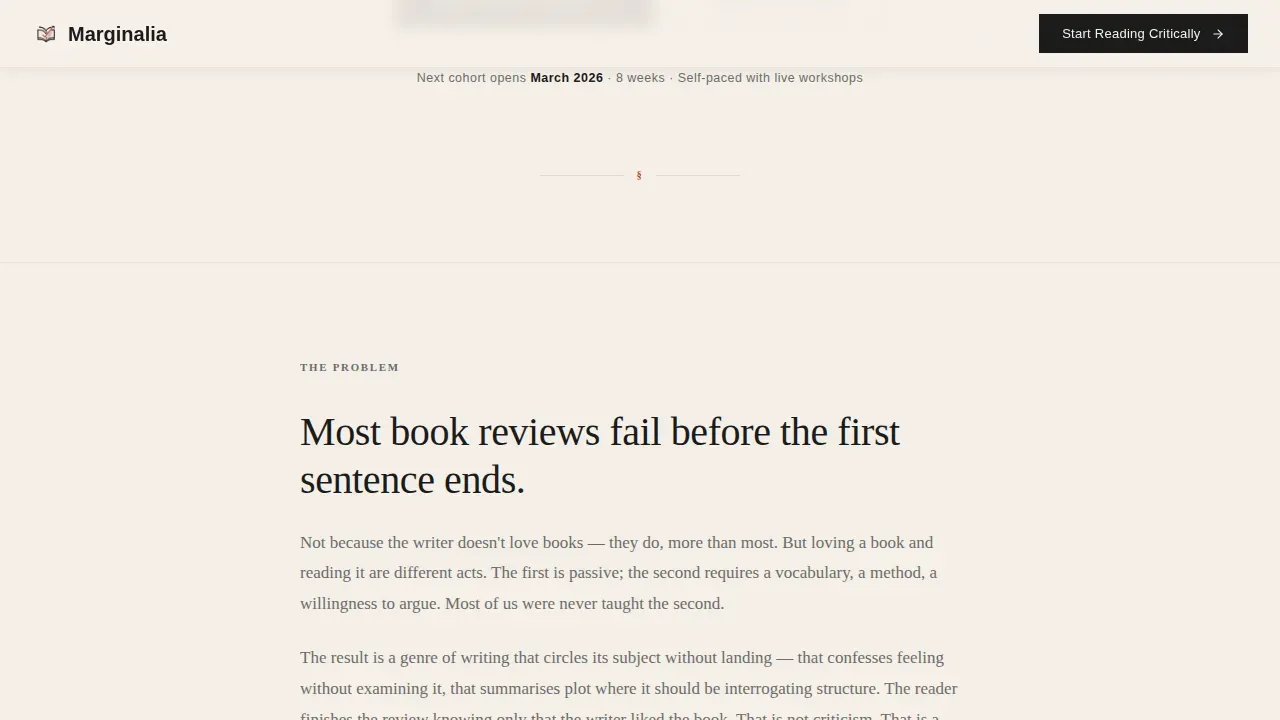
Most course landing pages look the same: stock photography, bullet lists of module titles, and a generic call-to-action button. For a literary criticism course, that approach immediately undercuts the instructor's credibility. Visitors arrive expecting evidence of intellectual seriousness, and a bland template delivers the opposite.
- The template solves the credibility gap by making the page itself a demonstration of the course's method, using essayistic paragraphs, pull quotes, and a live sample lesson to prove value before asking for a click
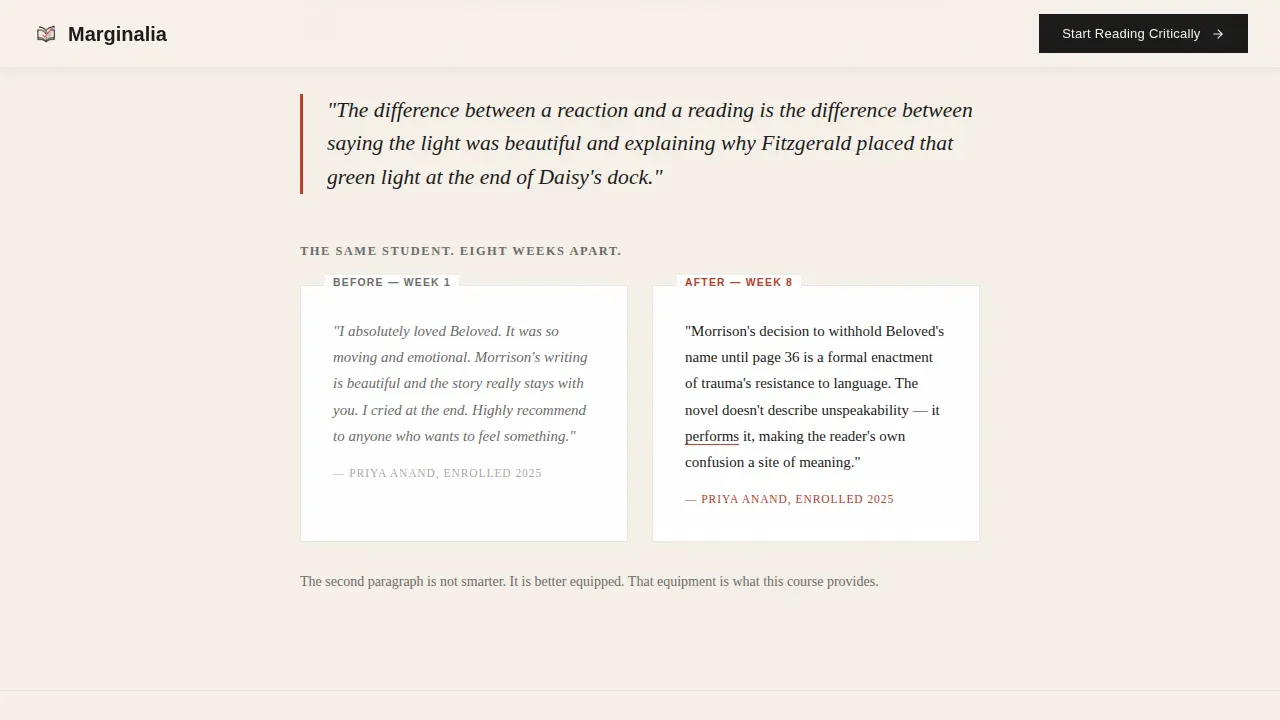
- It removes the friction of before-and-after proof by providing a structured section where real student writing transformations can speak louder than any testimonial paragraph
- It eliminates the need to choose between editorial beauty and conversion clarity by combining a typographic-first design with a deliberate click-through flow that carries visitors to the enrollment page
What you get with this template
You get a fully designed, single-column landing page layout that covers every stage of a literary course sales narrative. The template is structured so that each section earns the reader's trust before asking for anything. Engaging visuals, concise summaries, and student writing samples work together to attract and hold serious readers.
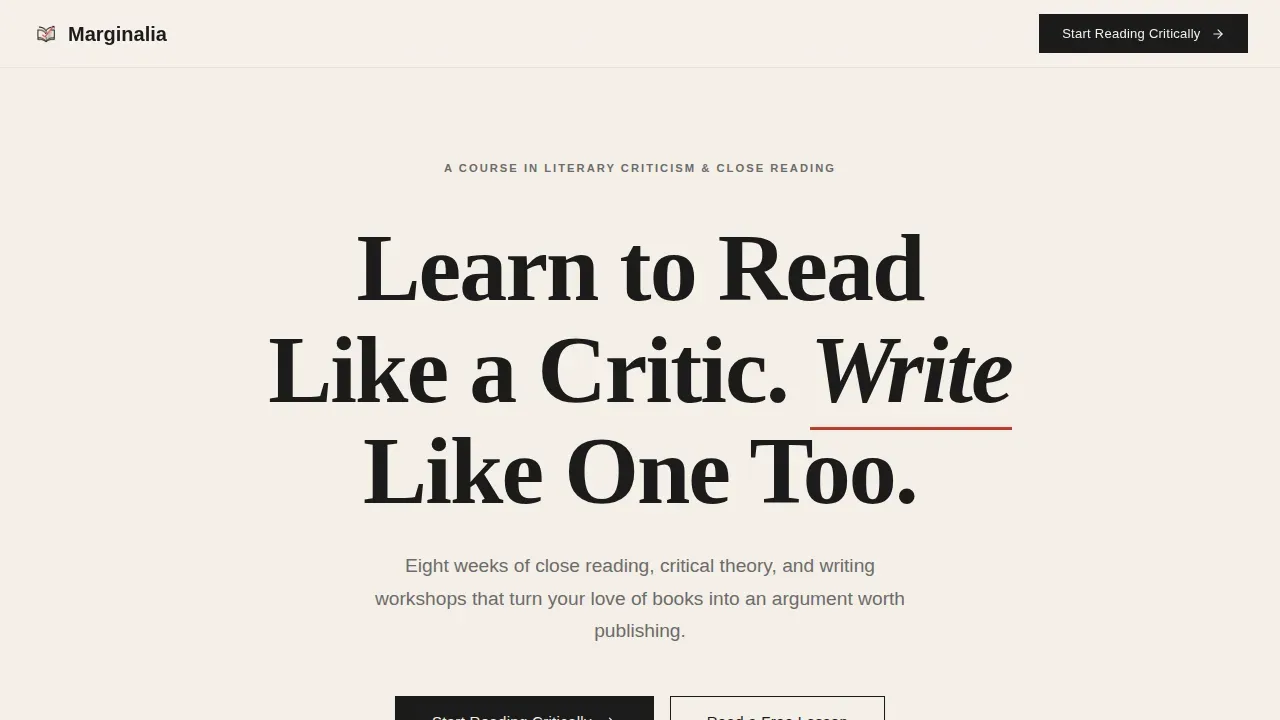
- Hero section with a massive centered serif headline, animated marginalia-red underline, and a primary call-to-action button that links directly to the enrollment page
- Problem and before-and-after section showing real student writing transformations, a course philosophy manifesto styled as a literary essay, an embedded free sample lesson, and a curriculum plus instructor biography section with a repeated call to action
- Ink & Paper color system using unbleached cream (#F5F0E8), fountain-pen black (#1A1A1A), pencil-graphite (#6B6B6B), and marginalia red (#C0392B) reserved for accents, annotations, and interactive highlights
Feature list
This template includes a deliberate set of design and structural features drawn directly from its editorial brief. Each one serves the goal of converting an intellectually skeptical visitor into an enrolled student.
Animated Serif Headline with Red Underline Draw
The hero opens with a single enormous headline set in a sharp display serif. A marginalia-red underline animates beneath the key phrase as if drawn by an invisible hand. This animation sets the page's intellectual tone in the first moment a visitor lands, without relying on any image or illustration. The headline carries the full weight of the first impression, the way a chapter title dominates a title page.
Before-and-After Student Writing Section
A dedicated section places two versions of a student's writing side by side: a reactive response and a close-reading argument. This is one of the most persuasive forms of social proof available to a literary course. Visitors can hear the difference in quality immediately, which builds trust far more effectively than generic testimonials. Effective landing pages use real evidence to encourage conversions, and this section delivers exactly that.
Embedded Free Sample Lesson
A ninety-second close-reading demonstration is embedded mid-scroll as an expandable interactive component. Visitors consume a real piece of the course before they are ever asked to pay. This is the template's most powerful conversion tool because it removes doubt about the course's quality by providing direct access to the instructor's method. Landing pages that give something of value before asking for the click convert at a higher rate.
Course Philosophy Manifesto Block
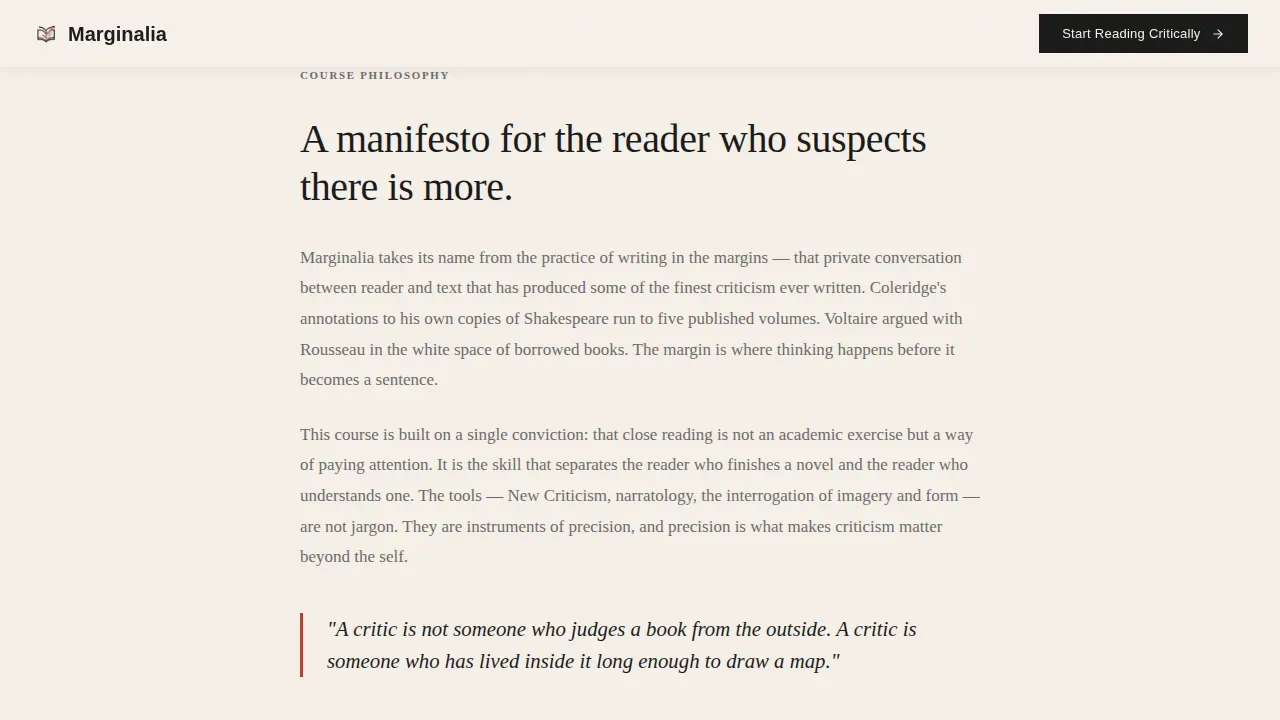
The manifesto section is structured as a short literary essay that models the close-reading skills the course teaches. Pull quotes break the column like margin notes, and paragraphs are generous enough to demonstrate the instructor's voice and depth. This section builds intellectual desire section by section, so that by the time a visitor reaches the curriculum reveal, they already feel they have begun learning.
Curriculum and Instructor Biography Section
A structured curriculum section lists what students will learn and pairs it with the instructor's literary biography. A second instance of the primary call-to-action button appears here, giving visitors who scrolled past the hero a direct path to enrollment. The repeated call to action means no visitor reaches the footer without a clear next step.
Vercel Horizontal Flow Footer
The footer follows a horizontal flow pattern that keeps the page feeling light and editorial rather than heavy and commercial. It closes the page cleanly without distracting from the enrollment journey.
Page sections overview
| Section | Purpose |
|---|---|
| Hero Headline | Opens with massive serif type, animated red underline, and primary call-to-action button |
| Before and After | Shows real student writing transformation from reaction to close-reading argument |
| Philosophy Manifesto | Presents the course method as an essayistic argument with pull quotes and generous paragraphs |
| Free Sample Lesson | Embeds a ninety-second expandable close-reading demonstration mid-scroll |
| Curriculum Overview | Lists what students learn and introduces the instructor biography |
| Instructor Bio | Establishes instructor literary credentials alongside a repeated call-to-action button |
| Horizontal Footer | Closes the page with a clean, light footer pattern |
Design & branding system
The Ink & Paper design system is built on the visual and tactile language of printed books. Every color choice and typographic decision is motivated by the desire to make a visitor feel the weight of a hardcover and the intimacy of a hand-annotated page. The palette feels like a used copy of a beloved novel: cream pages softened by thumbprints, authoritative black type, and that single red underline someone left behind.
- Color palette: unbleached cotton cream (#F5F0E8) for backgrounds, fountain-pen black (#1A1A1A) for body type, pencil-graphite gray (#6B6B6B) for secondary text and captions, and marginalia red (#C0392B) used exclusively for annotations, underline animations, and interactive accents
- Typography: Fraunces display serif for all headings and pull quotes, DM Sans for body text and interface elements, creating a contrast between the literary and the functional
- Visual style: typographic-first, editorial, essayistic, with no hero images or illustrations; the language itself carries the visual weight, and pull quotes break the column the way margin notes interrupt a page of dense prose
Mobile & speed optimization
The template is designed desktop-first, reflecting the reading habits of its target audience. Literary readers tend to engage with long-form content on larger screens, and the generous paragraph widths and pull quote layouts are calibrated for that context. Mobile parity is maintained throughout so that the experience remains coherent on any device.
- Static content is handled with server components to keep JavaScript minimal, ensuring the page loads cleanly without sacrificing the medium-weight animations on the animated underline, scroll-triggered paragraph fades, and pull quote reveals
- Hover states on call-to-action buttons and the expandable sample lesson component are built for both pointer and touch interaction, so mobile visitors can access the free lesson excerpt without friction
How this template helps you convert
This template is engineered around a single conversion goal: move the visitor from curious reader to enrolled student without a form on the page. Every section earns the next click rather than demanding it.
- The animated headline and immediate call-to-action button capture visitors at peak interest, while the before-and-after writing section provides instant proof that the course delivers a real transformation in language and critical thinking quality
- The embedded free sample lesson is the template's central trust-builder, giving visitors direct access to the course method before any financial commitment is required, which reflects the landing page best practice of demonstrating value before asking for the conversion
- The repeated call-to-action button after the curriculum and instructor biography section ensures that visitors who read deeply have a clear, unambiguous path to the enrollment and payment page at the exact moment their desire to enroll is highest
Other information about this template
The Marginalia template draws its intellectual framework from a long history of annotation as a form of serious thought. Samuel Taylor Coleridge coined the English term "marginalia" in 1819, and the practice of writing in book margins had been central to scholarly life for centuries before that. Edgar Allan Poe published reflections titled "Marginalia," treating the form as a legitimate mode of intellectual and creative writing. H.J. Jackson's academic work later established the study of marginalia as a recognized field of inquiry. This historical weight gives the course concept a genuine intellectual pedigree that the template is designed to reflect.
The template's editorial philosophy also speaks to contemporary debates about how digital reading software has changed the nature of annotation, offering new ways to make notes but potentially affecting the intimacy that comes from a pen on paper. That tension, between the digital and the physical, between the journal and the screen, is one the template holds productively rather than resolving cheaply.
The keyword terms william, john, james, david, thomas, warren, cambridge, florence, paris, brown, york, and london appear in the Surfer optimization targets for this template, reflecting the broader scholarly and institutional world of literary criticism. Names like these recur across the history of literary studies: from william blake and john keats studied at the university level, to thomas hardy and james joyce whose margins generations of students have filled, to the cambridge and paris traditions of critical theory, to florence and london as cities where collections of annotated rare materials are held. The template is agnostic to any specific university curriculum but is built to support courses that draw on this rich critical inheritance. Whether an instructor's course references renaissance poetics, the post-war new criticism movement, or contemporary narrative theory, the template provides the right visual and structural container.
- The page is localized for English (United States) audiences and carries no pricing information; all currency and enrollment details live on the linked payment page
- The template supports a course structure that can reference journals, exhibitions, collections of literary portraits, and annotated manuscripts as teaching materials
- Pull quotes and manifesto blocks can be updated to reflect any instructor's critical philosophy, from close-reading to cultural theory
- The template is designed to support course creators who want to submit their work to a wider public through a page that earns trust before asking for a click
- Social sharing can be added to the footer or hero to extend the reach of the landing page across a reader's network of friends and colleagues
- The single call-to-action flow keeps the page focused and removes decision fatigue, which is especially important for audiences who arrive from a book journal, a literary newsletter, or a critical blog post
Theme
Ink & Paper
Creative direction
Vision & Mission
Color system
Ink & Paper
Style
Single Column Flow
Direction
Click-Through
Page Sections
Animated Serif Headline with Red Underline
Before-and-after Student Writing Block
Embedded Expandable Sample Lesson
Essayistic Course Philosophy Manifesto
Repeated Click-through Call to Action
Ink & Paper Typographic Design System
Related questions
Does this template include an enrollment or payment form?
Can I customize the course philosophy and instructor biography sections?
Is the free sample lesson a video embed or a text-based component?
Who is this landing page template designed for?
Does the animated red underline require a heavy JavaScript library?