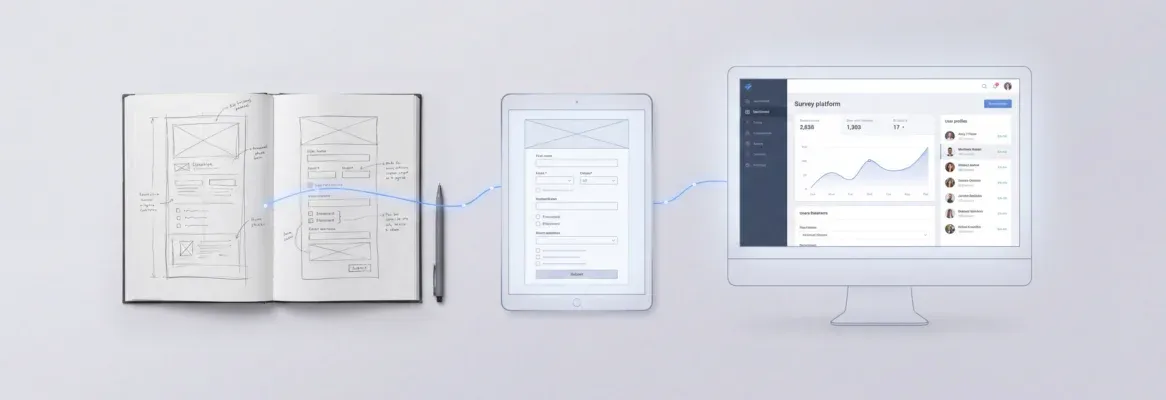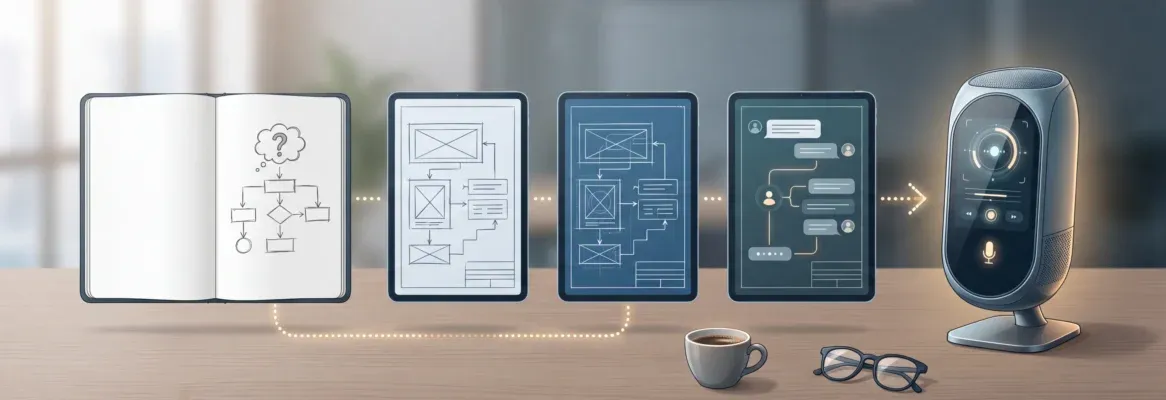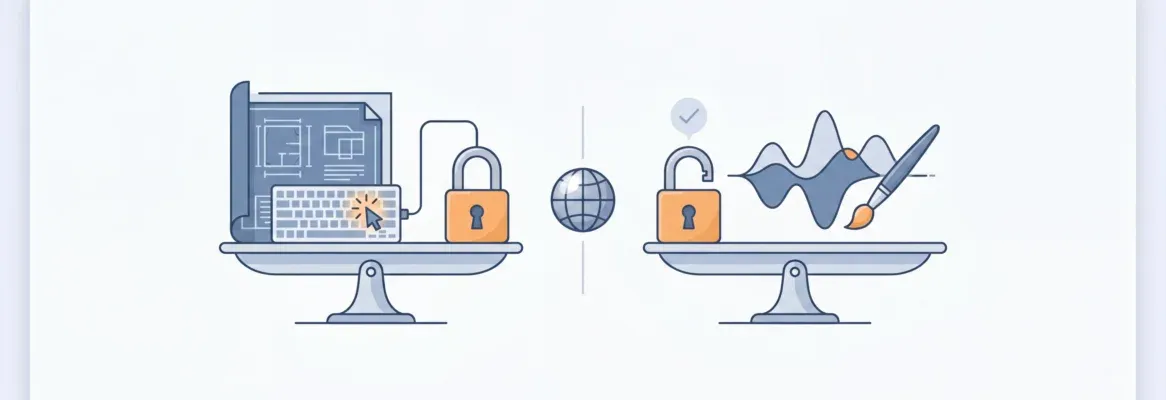
Will vibe coding take over development work? It accelerates building and reduces effort, but still relies on human expertise for direction, debugging, and scaling, shaping how developers work alongside evolving AI tools.
Can vibe coding replace developers?
Not fully. It can speed things up, reduce effort, and help people build apps faster. But it still needs human expertise to guide, fix, and scale things.
According to a recent report by GitHub, over 92% of developers are already using AI tools in their workflow. That says a lot about where software development is heading.
So, what does this mean for the future of software engineers, software systems, and the way we write code?
Let’s break it down.
What is Vibe Coding?
Vibe coding is changing how people approach software. Instead of writing every line manually, you simply describe what you want, and AI helps turn that idea into code. It feels more natural, more like a conversation than traditional coding.
Here’s how vibe coding works:
-
You explain your idea using natural language
-
AI tools understand your intent and generate code
-
You don’t need to write code line by line
-
It reduces the need for deep knowledge of programming languages
-
It helps non technical people build apps more easily
-
It uses large language models to create AI generated code
-
Tools like claude code act as an AI agent that converts ideas into actual code
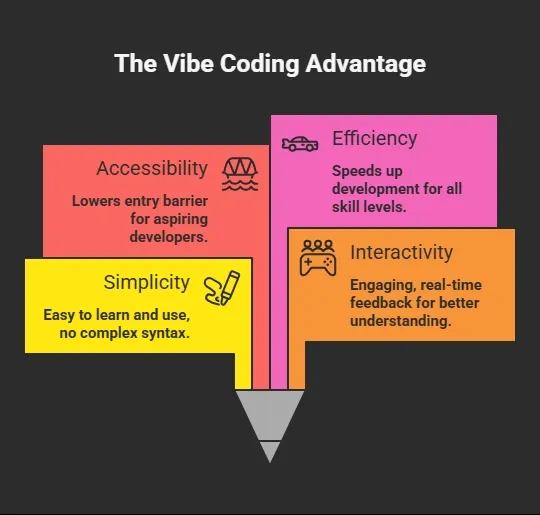
So yeah, vibe coding is not just a trend. It’s a new way to write software that’s making development more accessible and faster for everyone.
👉Worth a Quick Read: What is Vibe Coding: A Simple Guide for Developers Today
How AI is Changing Software Development
AI is now deeply involved in software development. From writing boilerplate code to debugging error messages, AI tools are helping at every stage.
Let’s look at where AI fits in:
| Task | Before AI | With AI |
|---|---|---|
| Writing code | Manual | AI assisted coding |
| Debugging | Time consuming | Faster with AI output |
| Code review | Human only | AI + human review |
| Writing tests | Manual | AI assisted |
| Building web apps | Complex | Faster with vibe coding |
AI coding tools are helping software engineers move faster. They reduce repetitive tasks and help generate working code quickly.
Still, AI output is not always perfect. Sometimes it creates broken code. That’s where human expertise comes in.
The Rise of Vibe Coders
Vibe coders are a new wave of builders who rely on AI to create software faster and with less effort.
Who they are
-
People using AI coding to build apps without deep technical skills
-
Non technical people entering software development
-
Builders creating web apps, internal tools, and small software systems
How they work
-
Use natural language instead of writing every line of code
-
Rely on AI output to generate actual code
-
Combine no code tools with vibe coding tools
Vibe coding makes starting easy. But building production ready software still needs structure and human expertise.
Where Vibe Coding Works Really Well
Let’s be honest. Vibe coding shines in certain areas.
-
Fast Prototyping: You can build apps quickly. It’s perfect for MVPs and testing ideas without spending weeks on development.
-
Writing Boilerplate Code: No one enjoys repetitive setup. AI coding tools handle boilerplate effortlessly, saving time and energy.
-
Learning and Experimenting: Developers especially beginners can learn faster with AI-assisted development by trying things hands-on and getting instant feedback.
-
Small Projects: For simple web apps, landing pages, or internal tools, vibe coding works really well without overcomplicating things.
-
UI and Frontend Scaffolding: Need a quick interface? AI can generate clean layouts, components, and styling in minutes, making frontend work much faster.
Vibe coding works best when speed matters more than perfection. It’s ideal for getting ideas off the ground, exploring possibilities, and building quickly without overthinking every detail.
Where Things Start to Break
AI-generated output can look perfectly fine on the surface, but fail when used in real-world scenarios. That’s risky especially for production systems where reliability matters.
- Lack of System Design Thinking
Good software isn’t just code it’s architecture. It requires understanding scalability, performance, and edge cases. AI can assist, but it doesn’t replace the depth of thinking that experienced engineers bring.
- Debugging Gets Complicated
When something breaks, fixing it isn’t always straightforward. AI can suggest solutions, but sometimes it repeats the same incorrect fixes or misinterprets the issue, which slows things down instead of helping.
- Security Risks Are Easy to Miss
AI-generated code may introduce hidden vulnerabilities like improper validation, weak authentication, or unsafe database queries. Without manual review, these can become serious threats.
- Long-Term Maintenance Is a Human Job
Code isn’t a one-time task. It needs updates, improvements, and refactoring over time. AI doesn’t “own” the code it won’t maintain or evolve it. That responsibility always falls on developers.
- Context Limitations
AI often lacks full context about your project, users, or business logic. It generates code based on patterns, not deep understanding, which can lead to mismatches between what’s built and what’s actually needed.
Vibe coding is powerful no doubt about it. It speeds things up, lowers entry barriers, and helps you build faster than ever before.
Developers vs AI: What’s Really Happening?
Let’s clear one thing. AI is not here to replace devs completely.
Instead, it’s changing how software developers work. Traditional developers now use AI tools as assistants. It’s like pair programming with an AI agent. A human engineer still guides the process. They review code, fix issues, and design systems.
Most developers now rely on AI for:
-
Writing boilerplate code
-
Generating unit tests
-
Speeding up code review
-
Handling repetitive tasks
This leads to strong productivity gains.
The Role of Experienced Developers
Experienced developers are still very important. They bring domain expertise, system design knowledge, and real-world thinking.
AI can generate code. But it doesn’t understand business logic deeply.
An experienced developer knows how to:
-
Build scalable software systems
-
Avoid technical debt
-
Handle legacy systems
-
Create good software
That’s something AI can’t fully do.
Community Insight
Here’s a real take from Reddit:
“AI can write code, but it doesn’t understand why the code exists. That’s still on us.”
This sums it up well. AI coding is powerful. But meaning and context still come from humans.
AI Coding Revolution: What It Means
We are clearly in the middle of an AI coding revolution. The way software is built is changing fast—and there’s no going back.
- AI Coding Agents Are Improving Rapidly
Tools like Claude Code and similar systems can now write, debug, and even improve code with surprising accuracy.
- Heavy Investment in Generative AI
Tech companies are pouring massive resources into generative AI, pushing innovation at an incredible pace.
- Engineering Teams Are Adapting
Developers are learning how to work alongside AI using it to speed up workflows and boost productivity.
- Shift in Developer Roles
The role of a developer is evolving from just writing code to reviewing, guiding, and architecting solutions with AI assistance.
- AI Still Needs Human Direction
AI-assisted coding is powerful, but it still depends on human input, context, and decision-making to produce reliable results.
This isn’t about AI replacing developers it’s about redefining how development works. The future belongs to those who can effectively combine human thinking with AI capabilities.
Can AI Replace Software Engineers?
Short answer again: no. Long answer: not yet, and maybe not fully.
AI can write code, but it struggles with:
-
Complex system design
-
Real-world constraints
-
Domain expertise
-
Human judgment
A single AI agent cannot manage full software development lifecycle alone. Even if one developer uses AI, they still need to review code and manage implementation details.
The Role of No Code and Vibe Coding Together
No code tools and vibe coding are working side by side. No code platforms help non technical users build apps visually.
Vibe coding adds flexibility by allowing natural language instructions.
Together, they help:
-
Build apps faster
-
Reduce need for manual code
-
Enable non technical people
But again, scaling is hard without software engineers.
Rocket.new: Powering the Vibe Solutioning Movement
Rocket.new is a modern AI-powered platform that lets you build web and mobile applications just by describing what you want in plain text. It focused on solving the problems rather than taking you into the rabbit hole. It is perfect for the concept of vibe solutioning, where ideas turn into working products with minimal/no manual coding.
Instead of focusing on syntax and technical setup, Rocket.new shifts the focus to intent. You describe the app, and the AI handles the structure, UI, and backend logic, making development faster and more accessible.
Top Features
-
Prompt to App Creation: Builds apps directly from single prompts
-
Figma Import: Converts design files into live, editable layouts
-
Custom Domain Support: Publishes projects with a branded domain
-
Reusable Components: Speeds up building with ready-to-use elements
-
Command-based actions: Use / and @ to run actions and quickly scope edits.
-
AI-Powered Backend: Automatically handles logic, data, and workflows
-
Live Preview: Shows instant updates while editing
-
Code Export: Allows developers to extend or customize later
Real Use Cases
-
Startup MVPs: Quickly build and launch a Minimum Viable Product to validate business ideas without hiring a full engineering team.
-
Web & Mobile Applications: Create simple apps like booking systems, content platforms, or utility tools without starting from scratch.
-
Landing Pages & Websites: Generate professional landing pages or full websites for products, portfolios, or marketing campaigns.
-
Internal Tools & Dashboards: Build admin panels, analytics dashboards, or workflow tools for business operations.
-
Rapid Experiments: Test new features, ideas, or user flows without investing weeks into development.
Rocket.new is a strong example of how vibe coding is becoming real. It doesn’t replace developers but it makes building faster, simpler, and more idea-driven than ever before.
AI + Developers = The Real Future
The real story isn’t AI vs developers. It’s about how both come together to create something far more powerful.
-
Smarter Productivity Gains: Engineering teams that use AI tools effectively can build faster, iterate quicker, and deliver more in less time.
-
Junior Developers Move Faster: With AI assistance, beginners can reduce friction, learn on the go, and become productive much sooner.
-
Experienced Developers Get Amplified: Skilled engineers can focus on architecture, decision-making, and complex problem-solving while AI handles repetitive work.
-
Speed with Safety: AI output accelerates development, but human review ensures the code is secure, reliable, and production-ready.
-
Better Team Efficiency: Teams can collaborate more effectively as AI reduces bottlenecks and frees up time for high-impact tasks.
The future isn’t about competition it’s about collaboration. The teams that win will be the ones that know how to balance AI speed with human judgment..
Where AI Coding Actually Stands
Building software is still a complex process. While AI-generated code makes things faster and more accessible, it can also introduce broken logic, hidden bugs, technical debt, and real risks in production systems if left unchecked. That’s why relying entirely on AI isn’t practical. The smarter approach is balance using AI-assisted coding to handle repetitive tasks and speed up development, while human engineers focus on system design, code quality, and long-term maintenance.
So, can vibe coding replace developers? Not really. It can support, accelerate, and simplify how software is built, but it still depends heavily on human expertise to make things work in the real world. AI is a powerful tool but it’s not a full replacement.
Table of contents
- -What is Vibe Coding?
- -Here’s how vibe coding works:
- -How AI is Changing Software Development
- -The Rise of Vibe Coders
- -Who they are
- -How they work
- -Where Vibe Coding Works Really Well
- -Where Things Start to Break
- -Developers vs AI: What’s Really Happening?
- -The Role of Experienced Developers
- -Community Insight
- -AI Coding Revolution: What It Means
- -Can AI Replace Software Engineers?
- -The Role of No Code and Vibe Coding Together
- -Rocket.new: Powering the Vibe Solutioning Movement
- -Top Features
- -Real Use Cases
- -AI + Developers = The Real Future
- -Where AI Coding Actually Stands