
Why are developers turning to vibe coding? Learn how natural language prompts generate code, why adoption is rising, and how AI tools are reshaping daily software development workflows.
What is vibe coding?
Vibe coding is a method for generating software from natural language prompts rather than manually writing every line of code. It’s like telling your AI what you want and watching it write the workable code for you.
Stack Overflow shows that 84% of developers use or plan to use AI tools in their development process, with 51% of professional developers using them daily.
In the world of software development, vibe coding is growing fast. People talk about vibe coding so much because it changes how software gets made.
What Vibe Coding Actually Means?
Vibe coding flips the script: tell AI what you want, and it turns ideas into working code. No typing grind, no copy-paste chaos.
- Opening your IDE,
- Typing boilerplate code,
- Fixing syntax errors,
- And staring at the docs for hours,
You simply give natural language prompts like:
“Make me a login page with email and password validation, include error handling, and a remember me checkbox.”
The AI tool then generates working code for you. No more endless copy-paste stuff or hunting through Stack Overflow. It’s like having a coding buddy that actually listens.
The real magic happens with large language models like GPT and others under the hood. These models understand your intent, translate it into structured logic, and produce functional code that can run in real projects. You don’t just get snippets that look pretty; you get executable code you can actually use.
Why do People Talk About This?
So, why is vibe coding making waves in software development circles?
Well, it’s simpler than it sounds:
- Skip the grunt work: You spend less time writing boilerplate code manually and more time on the interesting parts of development.
- Rapid prototyping: Whether it’s a weekend hackathon or a throwaway weekend project, vibe coding lets you go from idea to a working prototype in hours instead of days.
- Focus on functionality: Forget syntax errors and setup headaches. You get to focus on building features that matter.
- Learning by doing: Even if you’re new to coding, seeing AI-generated code side by side with your prompts teaches logic, structure, and programming patterns without getting stuck on tedious parts.
Think of vibe coding as a shortcut in your coding journey, not a replacement. It helps developers, product designers, and hobbyists alike turn ideas into apps faster.
And yes, sometimes it throws random changes at you, but that’s just the AI trying to improvise. You still get the thrill of refining and understanding the underlying logic yourself.
In short, vibe coding lets you “describe what you want,” hit go, and watch the AI generate working code while you sip your coffee. And let’s be honest, who wouldn’t want a little coding magic with minimal typing?
Manual Coding vs Vibe Coding
Here’s a quick snapshot comparing traditional manual coding with vibe coding. It shows why developers are leaning into AI-assisted workflows.
| Feature | Manual Coding | Vibe Coding |
|---|---|---|
| Input | Handwritten code | Natural language prompts |
| Speed | Slow | Fast |
| Need for IDE | Yes | Often no |
| Boilerplate code | You write it | AI generates it |
| Unit Tests | You write them | Can generate unit tests via AI |
| Best for | Deep customization | Rapid prototyping |
As you can see, vibe coding accelerates development, reduces repetitive work, and lets you focus on building features rather than typing every line.
Why Developers Are Writing Less Code Manually?
So why has vibe coding caught fire? It’s because it flips the usual writing code manually routine on its head.
Developers and non-developers can now:
- Describe what you want in colloquial terms.
- Use natural language to generate a working prototype or executable code.
- Skip weeks of boilerplate creation.
This new pattern isn’t about replacing developers. It’s about shifting focus to an app's logic and value rather than repetitive typing.
And if you ever find yourself needing to fix random changes an AI makes, don’t be shocked. AI-assisted coding can sometimes hallucinate logic or make innocent mistakes in error handling. That’s why having a deep understanding of the underlying logic still matters.
How AI Tools Fit In?
Talking about vibe coding without AI tools feels odd. These tools act like your coding buddy that never sleeps.
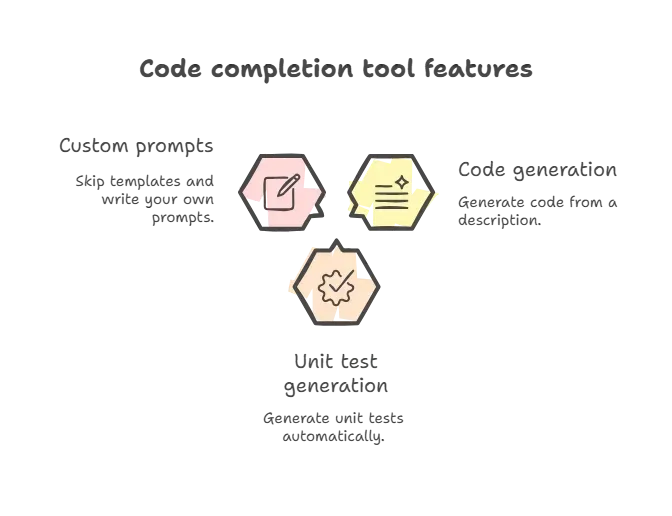
This means developers and product teams can:
- Build entire apps from plain text.
- Cut prototype time drastically.
- Focus on code quality and logic instead of repetition.
Just know: quality still matters. Verify AI-generated code before shipping. Sometimes the tool will paste stuff that compiles but doesn’t do what you intended.
Is Software Development Doomed to Be All AI?
Short answer: no.
Long answer: AI is changing how developers work, but not eliminating the need for skills.
Here’s the deal:
- AI tools can generate boilerplate code and architectural components.
- You still decide how components fit together.
- You still address security risks and edge-case bugs.
- You still understand the app logic.
If you treat vibe coding like a coworker (even a weird one), you get better results than treating it as a magic fix.
Also, be careful when copying and pasting code suggestions without understanding them. That’s a quick way to add bugs or security flaws.
When Vibe Coding Works Best?
Vibe coding isn’t just a fancy trend.
Here’s where it actually makes life easier for developers, beginners, and weekend hackers alike.
1. MVPs and Rapid Prototyping
Startups often need something to show investors fast. A tool that generates code from a description helps you build a working prototype without waiting for a development team.
2. Assisting Software Engineers
Experienced developers can use Vibe coding tools to skip repetition. It’s less about AI writing your entire system and more about speeding up parts of it.
3. Learning and Education
If you are new to programming, AI-assisted coding can let you see patterns. But don’t lean on it too hard for everything. You still need coding skills to grow.
Whether you’re building a quick prototype or speeding up repetitive tasks, vibe coding lets you focus on ideas instead of endless typing.
Community Voices on Vibe Coding
Real people online have candid thoughts about vibe coding.
“ Is a bit different though: it tries to build a full app from a single prompt (frontend + backend + deployment), so it’s more aimed at non-coders who want a quick MVP rather than developers.” Reddit
That quote says it better than any marketing spiel. People really do view vibe coding as a bridge between idea and prototype.
Rocket.new: Turning Ideas Into Apps Instantly
If you want to see vibe coding in action, check out Rocket. It's a new tool gaining traction for its standout features.
It’s designed to let creators, founders, and makers go from concept to working app without getting bogged down in setup.
Even complex workflows such as authentication, database connections, and API endpoints can be generated with just a few prompts, accelerating experimentation and prototyping.
What It Offers
Rocket.new is a vibe solutioning platform that lets you build apps from plain text. You type what you want, and it builds backend and frontend code for you. The best part? You get production-ready results with minimal fuss.
Here are the top features:
- Natural language prompts let you build entire apps.
- Backend generation with authentication, database schemas, and API endpoints.
- One prompt full app concept: write once, get a full application.
- Templates for landing pages, dashboards, and mobile apps.
- Deployment tools are ready to launch your app live.
Where It Fits
For someone building a portfolio or launching a rapid-prototyping MVP, Rocket.new is useful. It doesn’t replace coding teams. Rather, it helps you skip grunt work. You get real code that you can expand later in your tech stack.
A Little Reality About AI-Generated Code
AI-generated code isn’t perfect. Sometimes it’s spot on; other times it introduces random changes or minor errors. Developers often spend extra time fixing minor issues or tidying things up.
Think of it as getting 90% there: AI handles repetitive tasks, generates unit tests, and even builds functions. The last 10% debugging, polishing, and checking error handling, is still on you. Treat it like a helpful assistant, not a magic wand.
Even though AI can whip up code fast, it doesn’t fully understand your project’s goals or edge cases. Sometimes it might produce code that works but isn’t optimal, or skip important error handling. The trick is to treat AI as a collaborator: let it handle the routine tasks, but always review and refine so your final product actually shines.
Vibe Coding in a Nutshell
Vibe coding is basically telling machines what you want using natural language, so AI tools can write the code for you. It’s not magic, but it does flip parts of traditional software development on its head. Tools like Rocket.new show how far this has come and how you can go from idea to working code faster than before.
While vibe coding makes code generation faster and less tedious, it still works best when combined with solid coding skills and an understanding of the underlying logic. Think of it as a smart sidekick that handles the repetitive stuff, letting you focus on building features that actually matter.
Table of contents
- -What Vibe Coding Actually Means?
- -Why do People Talk About This?
- -Manual Coding vs Vibe Coding
- -Why Developers Are Writing Less Code Manually?
- -How AI Tools Fit In?
- -Is Software Development Doomed to Be All AI?
- -When Vibe Coding Works Best?
- -1. MVPs and Rapid Prototyping
- -2. Assisting Software Engineers
- -3. Learning and Education
- -Community Voices on Vibe Coding
- -Rocket.new: Turning Ideas Into Apps Instantly
- -What It Offers
- -Where It Fits
- -A Little Reality About AI-Generated Code
- -Vibe Coding in a Nutshell