
How can a fast MVP creation platform speed early product steps? See how rapid tools like low-code no-code, prototyping, and AI help teams move ideas from concept to first release with clarity and pace.
Some teams bring an idea to life in just a few weeks, and that speed always grabs attention.
A recent 2024 report shows that most companies now choose to launch with a minimum viable product, highlighting how much they value quick insights from real users. As a result, more teams want to move faster and learn sooner without dragging through long development cycles.
So what helps them get there?
A fast MVP creation platform can make the work feel lighter and more approachable.
This article now guides you through the process and shows how low-code, no-code, rapid prototyping, and AI support make early progress easier.
Why Speed Matters in MVP Development?
Speed plays a bigger role than many teams expect.
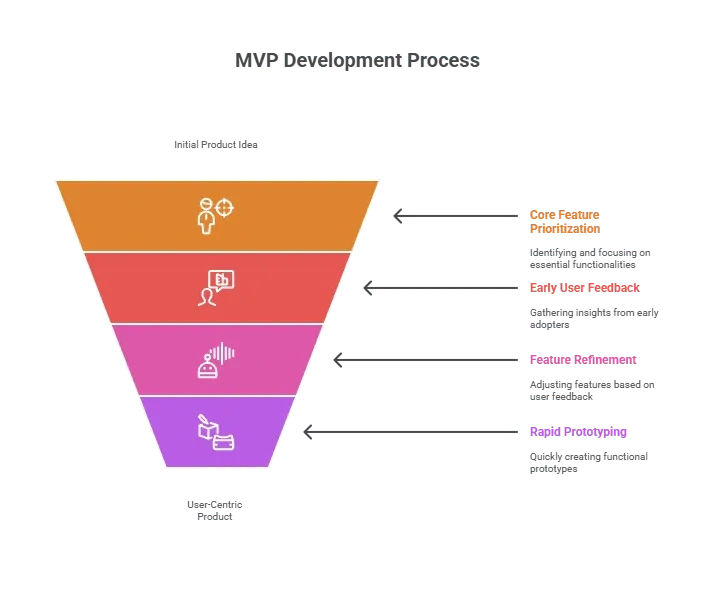 A fast MVP creation platform becomes extremely helpful here. It removes complexity. It brings clarity to the workflow. It supports rapid prototyping, enabling ideas to turn into something functional in a short timeframe.
Understanding the MVP Development Process
The MVP development process has a clear rhythm that teams can follow. While every product changes in shape and style, the steps often look similar.
Let’s walk through them in a conversational, practical way.
1. Start With User Research
This part builds the foundation.
Teams explore user needs, study user behavior, and identify user personas. Understanding the target audience helps the team focus on the right direction. A clear understanding of the target audience’s needs enables teams to make smarter decisions when defining early features.
2. Identify Core Features
Here, the team picks the essential features that bring the most value.
It is easy to get carried away with too many features. Keeping the focus on core features prevents distractions. The minimum marketable product only needs enough features to attract early adopters. This helps teams test ideas quickly while still keeping minimal effort in mind.
3. Design a Clean User Flow
Next, define how users move through the product.
A clean user flow helps reduce confusion. It also supports user engagement in early stages. Teams often build wireframes or mockups to see how the intuitive interface should look. Some teams create a landing page at this stage to introduce the product idea and test interest.
4. Rapid Prototyping With No Code or Low Code
This stage speeds up progress.
Platforms with drag-and-drop tools help non-technical users build layouts quickly. Low-code tools help fill any gaps when more advanced features are needed. With the right tool, the learning curve stays low. AI tools can also generate starter layouts, set up workflows, or suggest improvements. This helps reduce coding required and accelerates the entire development process.
5. Launching the Early Version
With the prototype ready, the team can publish it as a simple early version of the product. Whether it is a web application or a native app, the goal is to provide early access. A landing page helps attract early adopters. This is a good moment to collect initial user insights and validate demand.
6. Collect Early Feedback and Iterate
Now the product reaches real users.
Teams monitor user behavior and watch how users feel about the experience. They gather user feedback, study user interactions, and identify areas for improvement. Adjustments begin here. Some new features may be added. Some elements might be removed. Focus groups or interviews can help generate meaningful insights that shape next steps.
With this cycle, building an MVP becomes a continuous learning journey rather than a one-time task.
What Makes a Strong MVP Platform
Choosing the right platform matters more than many teams realize. A good platform should reduce friction and support a quick launch.
Below is a simple table that highlights important qualities.
| Feature | Benefit |
|---|---|
| Drag and drop builder | Helps speed up UI creation |
| Low code and no code tools | Reduces the learning curve for non technical users |
| Cloud infrastructure | Keeps the product stable as traffic grows |
| Integrated database solution | Manages data in a structured way |
| AI tools | Supports rapid prototyping and improves workflows |
| Support for web applications and native apps | Expands reach from day one |
These features support both beginners and business leaders who want to avoid hiring developers too early. The platform shapes how quickly a team can test ideas, collect early feedback, and decide what to build next.
When a platform offers features such as templates, automation, and analytics, it becomes easier to generate data-driven insights. This type of support helps teams maintain a clear project scope and alignment with user needs.
How AI Tools Help MVP Development?
AI tools bring extra advantages when building an MVP.
They save time. They help teams think more clearly. They also add speed to processes that normally take longer.
For example, AI can help create screens, map user flow ideas, or generate a landing page layout. It can also help analyze user behavior once the product is live.
AI tools help teams measure user engagement and understand how early users interact. With this information, teams can decide which new features matter most. They can also adjust elements that frustrate users or cause drop-offs.
Teams that leverage AI make decisions based on real data rather than assumptions. This leads to better product direction and smoother MVP development.
Rocket.new for Fast MVP Creation
Rocket.new is a popular vibe solutioning platform for teams looking to move quickly. It supports low-code and no-code workflows. It offers drag-and-drop features and an intuitive interface. It also supports creating apps that run as native apps or web applications.
Here are the top features users often find helpful:
- Drag and drop interface for building screens
- Templates for landing pages and common user flows
- Support for native mobile apps and web applications
- Built in database solution for structured data
- AI assisted prototyping tools
- Analytics for studying user behavior and user interactions
Rocket.new helps reduce time spent setting up backend systems or designing layouts manually. For many teams, it's a reliable option for quickly building an MVP and collecting feedback from early users.
Community Insight
A Reddit comment captured a relatable experience many founders share.
“Built the early version in just six weeks using a low code setup. Started with one core feature and got feedback almost immediately.”
These insights reflect the same pattern. Teams build smaller versions, gather feedback early, and improve based on what real users say.
Best Practices for Building an MVP
Below are helpful guidelines to keep in mind while building an MVP:
- Begin with user research to understand the target audience
- Keep core features limited during the early version
- Build a smooth user flow that encourages user engagement
- Use low code and no code tools to reduce the learning curve
- Use AI tools to create faster prototypes with enough features
- Track user behavior to discover what users feel about the product
- Add new features based on user needs and meaningful insights
- Use a landing page early to attract early adopters and test ideas
These practices help teams build intentionally and avoid unnecessary complexity.
Using a Fast MVP Creation Platform for Quicker Launches
A fast MVP creation platform helps teams turn ideas into something real without delay. With low-code tools, drag-and-drop builders, AI assistance, and simple workflows, teams can build a minimum viable product faster and gather valuable early feedback. These tools support rapid prototyping while keeping the project aligned with actual user needs.
Using a fast MVP creation platform helps teams reach real users sooner and move closer to a stable product direction.
Table of contents
- -Why Speed Matters in MVP Development?
- -Understanding the MVP Development Process
- -1. Start With User Research
- -2. Identify Core Features
- -3. Design a Clean User Flow
- -4. Rapid Prototyping With No Code or Low Code
- -5. Launching the Early Version
- -6. Collect Early Feedback and Iterate
- -What Makes a Strong MVP Platform
- -How AI Tools Help MVP Development?
- -Rocket.new for Fast MVP Creation
- -Community Insight
- -Best Practices for Building an MVP
- -Using a Fast MVP Creation Platform for Quicker Launches