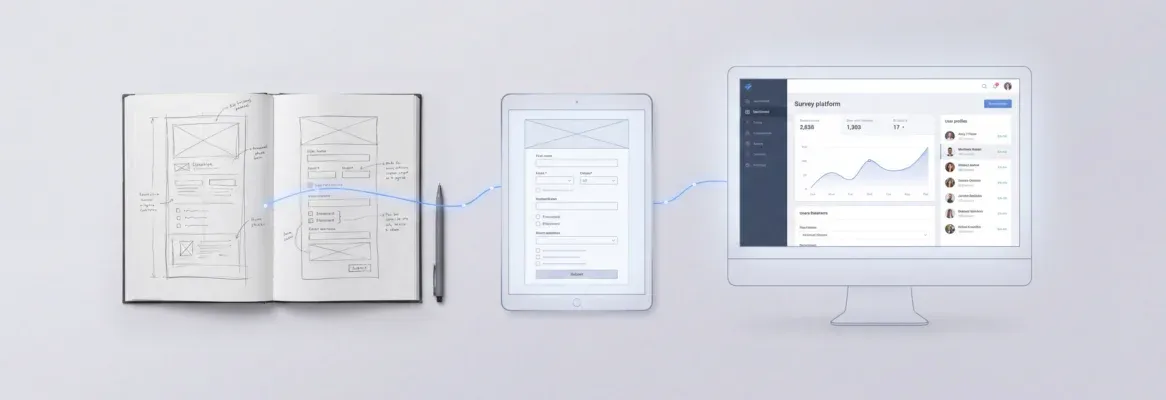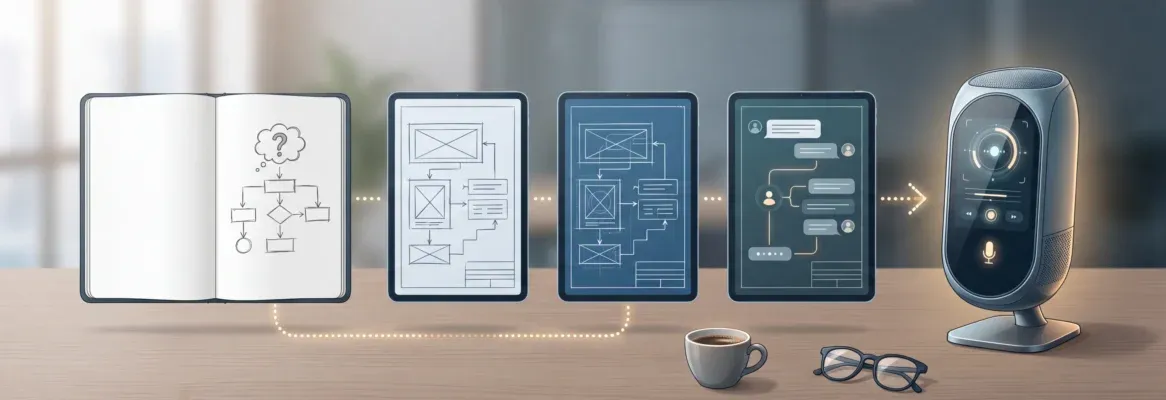
How can developers build apps faster without sacrificing quality? Learn how vibe coding blends creativity, rapid iteration, and smart tooling to streamline development and produce better software efficiently.
How does vibe coding help developers build apps faster?
Vibe coding lets developers describe what they want in natural language while AI generates the code for them. Instead of manually writing every function, the AI handles large parts of the process and produces working code quickly.
This idea has gained attention recently. A 2024 report from GitHub shows that over 70% of developers believe AI coding tools give them an advantage at work.
So the idea of vibe coding is no longer science fiction. It is becoming a normal part of modern software development.
Let’s break down how it works, why developers like it, and where it fits in the future of software.
What is Vibe Coding?
At its core, vibe coding is a coding approach in which developers describe an idea, and AI systems generate code based on that description.
Instead of writing code manually, the developer writes instructions in a text box using natural language. The system reads that prompt and generates working code.
The term became popular after Andrej Karpathy talked about this style of development online. His point was simple. Developers can guide AI like a creative partner rather than writing every line themselves. That means the developer sets the direction, while AI handles repetitive work such as boilerplate code and structure.
In simple terms, vibe coding turns coding into a conversation with AI.
👉Read more on: What is Vibe Coding?
The Technology Behind Vibe Coding
The whole system works because of large language models and generative AI.
These language models are trained on huge datasets of code from many programming languages. That training helps them understand patterns in code and software structure.
When a developer writes a prompt, the AI processes it and generates code that matches the request.
Typical workflow:
| Step | What Happens |
|---|---|
| Idea | Developer describes the feature in natural language |
| Prompt | Instruction is written in a text box |
| AI Generation | AI coding tools generate code |
| Review | Developers check the code quality |
| Iteration | Follow up prompts adjust the output |
The system allows developers to create functional code faster than traditional coding.
Many tools rely on large language models to do this. These models read the prompt and generate actual code that can run inside the application.
How Developers Actually Use Vibe Coding
So how does this look during real development work? Instead of writing hundreds of lines of code, the developer might type something like this:
“Create a login page with email authentication and password reset.”
The AI reads that single prompt and generates working code. Developers then review the output, adjust it, and add new features.
This style is common for:
- Rapid prototyping
- Throwaway weekend projects
- Small tools and side projects
- Testing ideas quickly
👉Read more on: Rapid prototyping
The developer still stays involved. They review the code, adjust logic, and guide the AI with follow-up prompts.
The big difference is that AI handles large parts of writing code.
Why Developers Like the Vibe Coding Experience?
Many developers enjoy the coding experience because it removes much of the repetitive work from daily development tasks. In traditional software development, developers often repeat the same patterns. Authentication systems, dashboards, APIs, and UI components usually follow similar structures.
With modern AI coding tools, developers can generate code for these common parts almost instantly. This allows developers to spend more time thinking about the product and its functionality instead of typing boilerplate code for hours.
Here are a few reasons why developers like this coding approach:
1. Faster development
Developers can generate working code within minutes instead of spending hours building features from scratch.
2. Better developer productivity
AI-assisted coding reduces time-consuming tasks such as setting up frameworks, basic structures, and repetitive functions.
3. Easier experimentation
Developers can try random changes quickly and test new ideas without worrying too much about breaking the project structure.
4. Rapid prototyping
Ideas can quickly turn into real-world applications. Developers can create early versions of products to test concepts and gather feedback.
In short, vibe coding helps developers focus more on creativity and product thinking while AI handles repetitive development tasks. For development teams working on prototypes or early-stage projects, this approach makes the initial stages of product creation much faster and smoother.
Popular Tools That Support Vibe Coding
Several popular tools now support this style of development.
Many of them work as AI agents that sit within development environments and assist developers while they code.
Common examples include:
- Rocket.new
- Cursor composer
- GitHub Copilot
- Replit AI
- Codeium
These coding tools use generative AI and language models to suggest code.
Some tools also provide live preview features. Developers can run stuff instantly and see how the application behaves.
In some setups, the AI agent can even analyze existing code and suggest improvements. That means developers can quickly edit and extend large projects.
How Vibe Coding Differs From Traditional Coding
Traditional coding involves writing code manually, step by step. Developers write functions, classes, logic, and tests themselves.
Vibe coding changes that process.
Here is a simple comparison:
| Traditional Coding | Vibe Coding |
|---|---|
| Developers manually writing most code | AI generates large parts of the code |
| Slow feature development | Faster creation of new features |
| Heavy boilerplate code | AI creates boilerplate code automatically |
| More time spent typing | More time guiding AI |
That does not mean developers disappear from the process. Experienced developers still review AI's output and improve the code quality.
Community Insights
AI researcher Andrej Karpathy summarized this shift with a simple line that has been widely discussed among developers.
This quote reflects the idea behind vibe coding. Developers describe what they want using natural language, and AI systems generate the code from those instructions.
The Role of AI Agents in Vibe Coding
Modern vibe coding relies heavily on AI agents. These AI systems can analyze, generate, and apply code changes automatically.
An AI agent might:
- Scan existing code
- Create necessary code for new features
- Generate unit tests
- Adjust files across the entire application
That means developers can focus on the product's logic while the AI handles the mechanical work.
Some AI startups are building tools that let an AI agent build a new app almost entirely from prompts.
Developers then refine the result.
Challenges and Security Concerns
Vibe coding is powerful, yet it comes with some challenges. The biggest concern involves security concerns and code reliability.
AI generated code can include bugs or security issues. That means developers still need to review the output carefully.
Common risks include:
- Random changes that break existing code
- Poor coding standards
- Vulnerabilities in authentication logic
- Incorrect dependencies
Development teams must test the output and maintain software engineering practices.
Testing, unit tests, and proper review are still necessary. AI speeds up development, but developers still guide the final result.
Rocket.new: A Platform Built for Vibe Solutioning
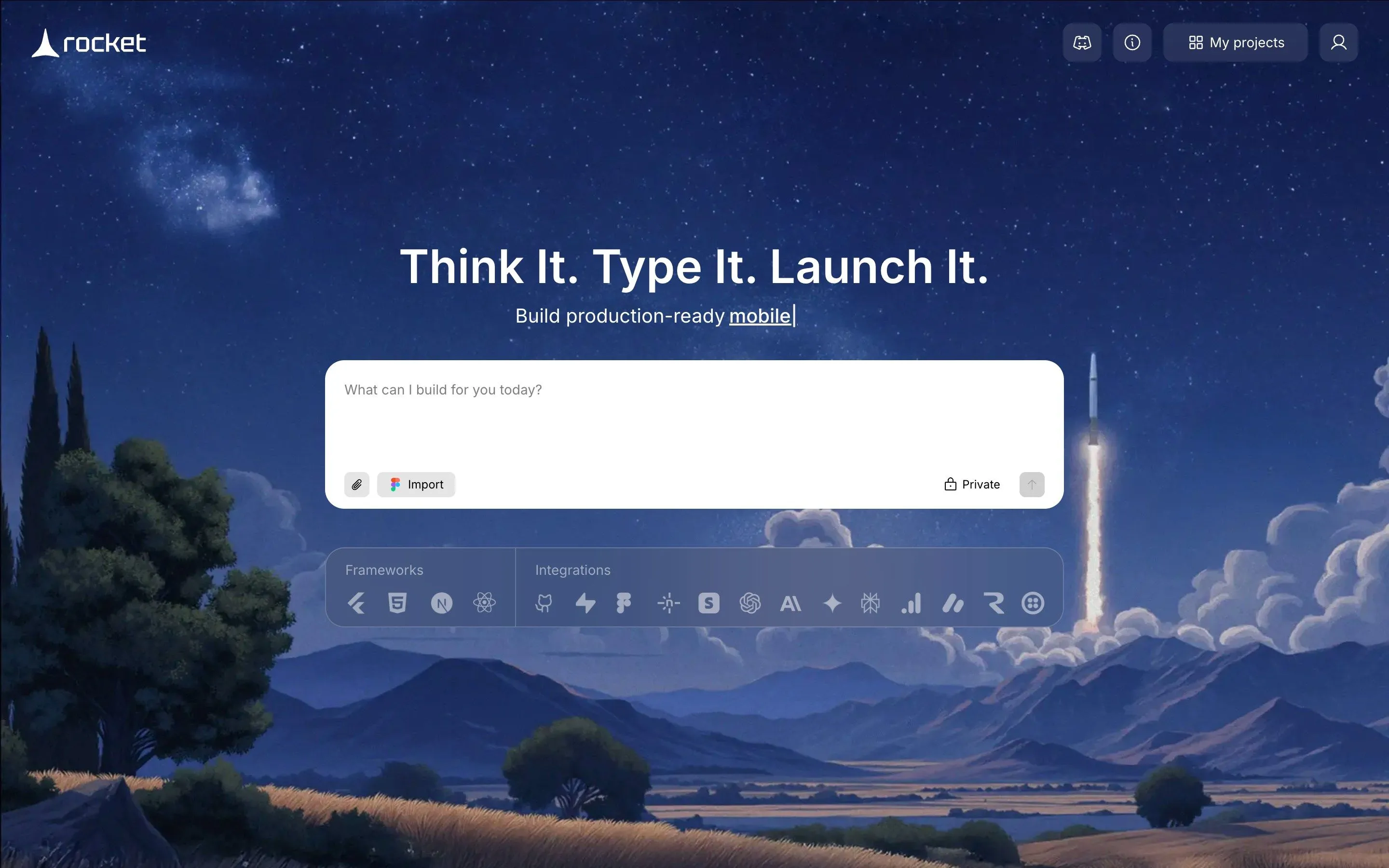
Rocket.new is a vibe solutioning platform that reflects how vibe coding is shaping modern app development. The platform focuses on helping developers create software quickly using AI-driven workflows. Instead of spending hours writing code manually, developers can describe what they want and let the system generate the structure and logic.
This approach fits perfectly with the idea of vibe coding. Developers guide the process through prompts while the platform generates working code in the background. The goal is to move from idea to a functioning application much faster, without getting stuck in repetitive setup work.
Key Features
- Prompt to App Creation: Builds apps directly from single prompts
- Figma Import: Converts design files into live, editable layouts
- AI-Powered Backend: Automatically handles logic, data, and workflows
- Custom Domain Support: Publishes projects with a branded domain
- Code Export: Allows developers to extend or customize later
- Live Preview: Shows instant updates while editing
Rocket.new as a Vibe Solutioning Platform
Rocket.new serves as a vibe solutioning platform by combining AI coding capabilities with a development environment designed for speed and experimentation. Instead of treating AI as just a code suggestion tool, the platform allows developers to build entire workflows through prompts and AI guidance.
Developers can describe features, request changes, and refine functionality while the platform generates and adjusts the code. This reduces repetitive tasks and allows developers to focus more on product ideas and user experience.
By supporting AI-assisted coding, live previews, and rapid prototyping, Rocket.new helps developers turn ideas into working software much faster. It fits naturally into the vibe coding workflow where developers guide the process, and AI helps generate the technical implementation.
The Future of Vibe Coding
Vibe coding is gaining attention as AI technology continues to improve. Developers are slowly adopting workflows in which AI helps speed up various parts of the development process. As tools become smarter, this style of coding may play a bigger role in how software is built in the coming years.
Here are a few trends that show where vibe coding is heading:
- Better language understanding: Modern language models are getting better at understanding natural language instructions. This helps AI generate code that matches what developers actually want.
- Daily use in development workflows: Many developers already use AI assisted coding tools during daily tasks like generating functions, fixing errors, or creating project structures.
- Human creativity plus AI generation: Development teams are testing ways to combine human ideas with AI generated code. Developers guide the logic and architecture while AI produces repetitive parts.
- Faster feature development: AI tools help developers create new features quickly by generating code structures that can be edited and improved.
- Growth of AI coding tools: New platforms and coding tools continue to appear, giving developers more options for rapid prototyping and application development.
Overall, vibe coding may become a common part of modern software development. Developers will still guide the direction and structure of projects, while AI helps handle large parts of the coding process and speeds up app creation.
Why Vibe Coding is Changing App Development
Software development can often feel slow and repetitive. Developers spend hours writing code manually, setting up structures, and repeating the same patterns across different projects. This process can slow down experimentation and delay product development.
Vibe coding offers a different workflow. Developers describe ideas in natural language, and AI generates code based on those instructions. The developer then reviews the output, makes improvements, and adds features. In simple terms, how does vibe coding work? Developers guide AI with prompts while it generates large parts of the code, leading to faster prototyping and quicker app development.
Table of contents
- -What is Vibe Coding?
- -The Technology Behind Vibe Coding
- -How Developers Actually Use Vibe Coding
- -Why Developers Like the Vibe Coding Experience?
- -Popular Tools That Support Vibe Coding
- -How Vibe Coding Differs From Traditional Coding
- -Community Insights
- -The Role of AI Agents in Vibe Coding
- -Challenges and Security Concerns
- -Rocket.new: A Platform Built for Vibe Solutioning
- -Key Features
- -Rocket.new as a Vibe Solutioning Platform
- -The Future of Vibe Coding
- -Why Vibe Coding is Changing App Development