
Rocket.new connects every layer of strategic context, enabling seamless flow from ideation to production. It aligns teams, data, and execution to ensure decisions remain consistent, traceable, and scalable across the entire lifecycle.
What does it take to carry context from idea to production without losing clarity?
You need a system that remembers everything. From your first idea to final deployment, context should move with your work, not get lost between tools. When teams keep switching between platforms, they lose data, repeat steps, and slow down the entire development process.
A report by McKinsey shows that teams that reuse data and insights can improve development speed by up to 30%. That’s a big shift for mobile app development and modern application development.
This blog will help you understand how to keep your process connected and build faster, smarter apps.
Why Context Gets Lost in App Development?
Let’s be real. Most teams don’t struggle with coding alone. The real problem is the process.
In mobile app development, teams use too many tools. One for design, one for backend, one for testing, and another for deployment. This scattered setup creates gaps. Ideas don’t flow smoothly. Developers lose track of decisions. The development process becomes messy.
This affects mobile apps and web apps equally. Even experienced developers face these challenges. The result? Unnecessary delays, repeated work, and poor user experiences.
Most teams deal with:
-
Fragmented tools
-
Poor data handling
-
Weak communication between teams
-
Lost context between stages
And when context breaks, the app development process slows down.
What It Means to Carry Strategic Context
So, what does “carrying context” really mean?
It means every idea, decision, and change stays connected. From the first solve session to final production, nothing gets lost.
In software development, context includes:
-
Business data
-
User feedback
-
Data models
-
Code decisions
-
Testing results
When all this stays connected, building apps becomes smoother. Teams don’t restart. They move forward with clarity. This is where platforms like Rocket come in.
What is Rocket.new?
Rocket is a low-code platform designed to simplify app creation. It connects every stage of application development into one flow.
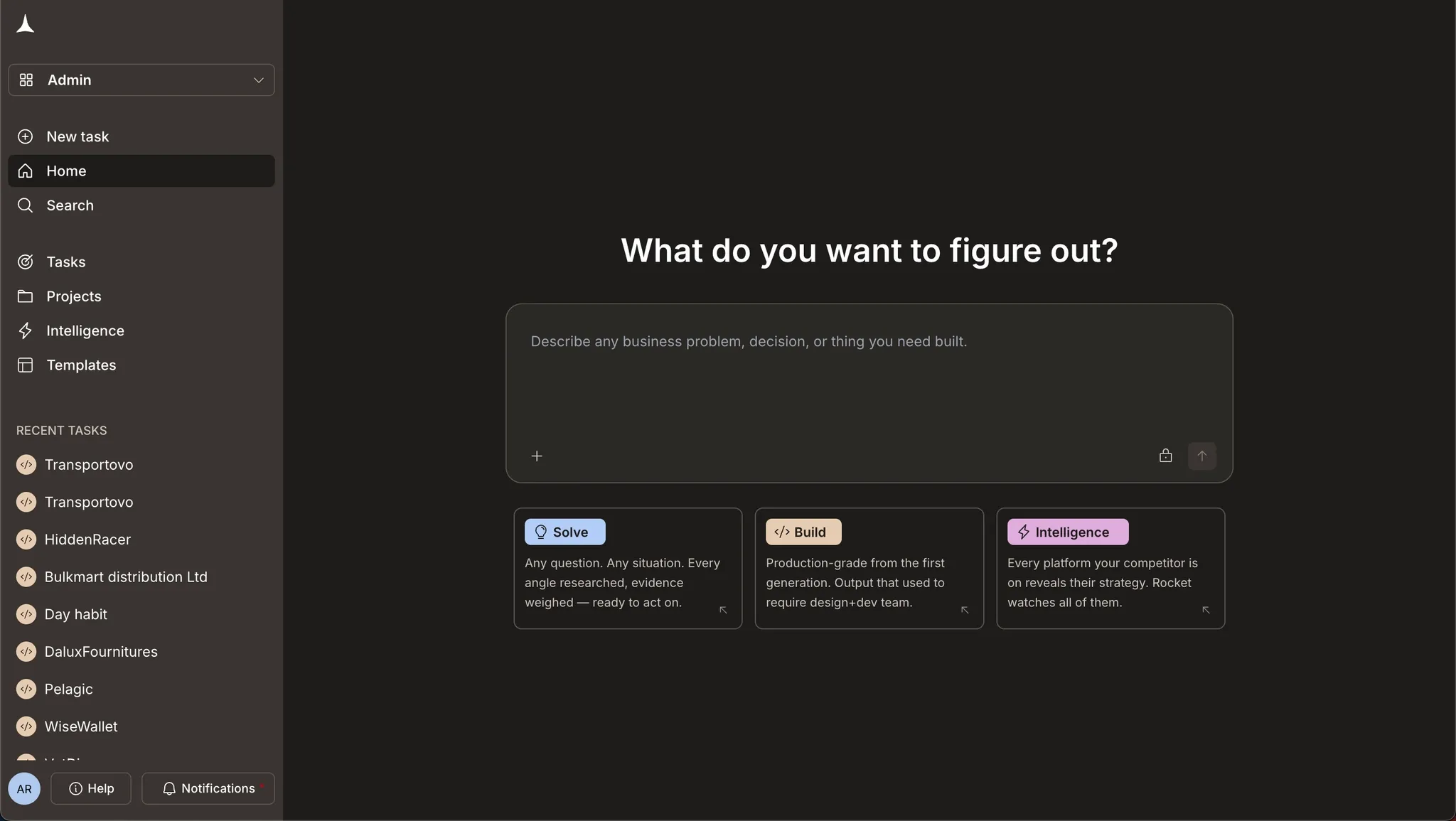
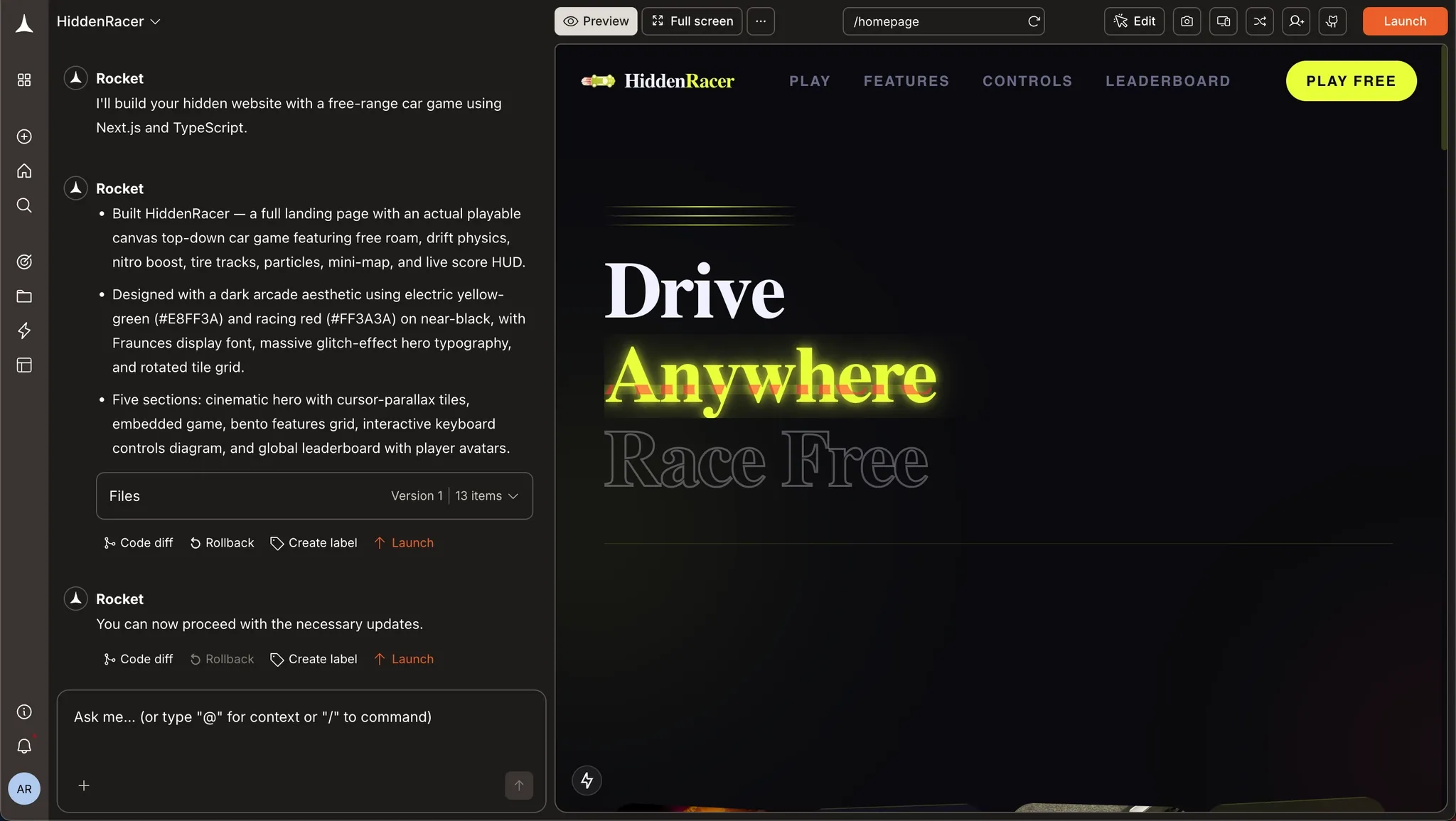
Instead of switching tools, teams stay in one platform.
That means:
-
Better focus
-
Faster development
-
Fewer errors
Rocket supports mobile apps, web apps, and hybrid mobile apps. It helps teams create production-ready software applications without losing context.
It also uses AI agents to assist during development. These agents help with code generation, testing, and data handling.
How Rocket Connects Every Stage
Every app goes through multiple stages. The problem is not the stages themselves; it’s how disconnected they feel. Rocket solves this by keeping everything linked from start to finish, so teams don’t lose context while building apps.
From Idea to Build
It starts with ideas. Teams define their mobile app development strategy and map out features and user experiences. Rocket stores all of this, so nothing gets lost as the project moves forward.
Then comes app building. Developers begin writing code or using low-code tools. The platform connects ideas directly with development, making the process smoother and more focused.
From Build to Testing
Next comes testing, where things get real. Rocket supports:
-
Functional testing
-
Security testing
-
Performance testing
Since everything stays connected, testing uses real project data. This improves accuracy and helps teams catch issues earlier.
From Testing to Deployment
Then comes deployment. Rocket carries all the context forward, so teams don’t have to repeat steps or fix gaps. The app moves smoothly into production without unnecessary delays.
In the end, every stage stays connected. That means faster development, better results, and a process that actually feels in control.
How It Works
Here’s a simple breakdown based on the official documentation.
| Stage | What Happens | Benefit |
|---|---|---|
| Solve Session | Define ideas, goals, and strategy | Clear starting point |
| App Creation | Build using low code and code tools | Faster development |
| Data Handling | Manage data models and business data | Better accuracy |
| Testing | Run functional and security testing | Reliable apps |
| Deployment | Push to production | Smooth release |
| Ongoing Maintenance | Monitor and improve | Continuous improvement |
This flow keeps everything connected. No lost context. No confusion.
Key Features of Rocket.new
Rocket is built to keep the entire development process connected. Instead of scattered tools, it brings everything into one platform where ideas, code, and data stay aligned from start to production.
Here are some key features based on its core modules:
-
Solve Layer: This is where ideas begin. Teams define goals, structure their mobile app development strategy, and map features clearly before writing code.
-
Build Layer: This handles app creation. Developers can write code or use low code tools while working on mobile apps, web apps, and hybrid mobile apps in one place.
-
Intelligence Layer: AI agents assist with code generation, suggestions, and automation. This helps speed up development while keeping context intact.
-
Single Codebase Support: Teams can manage multiple platforms without rewriting everything from scratch.
-
Built-in Testing Flow: Supports functional testing, security testing, and performance testing using real project data.
-
Data and Context Continuity: All business data, data models, and decisions stay connected across the development process.
-
Production Ready Deployment: Apps move smoothly from build to deployment without breaking flow.
-
Continuous Improvement Support: Teams can refine features, respond to user feedback, and maintain apps without losing context.
These features help teams build great apps even when working with limited resources and tight timelines.
Why This Matters for Mobile App Development
Mobile app development is no longer simple. Users expect smooth user experiences, fast performance, and reliable apps across multiple platforms. At the same time, development teams deal with constant pressure.
They face:
-
Tight deadlines
-
Limited resources
-
Changing market conditions
This is where Rocket makes a difference. By keeping the entire development process connected, it removes the need to restart or rebuild from scratch.
Instead, teams keep building forward. Every decision, every feature, and every piece of data stays in context. This leads to:
-
Better app performance
-
More user friendly design
-
Faster production cycles
And honestly, it makes life easier for developers and teams. Less confusion, fewer repeated steps, and more focus on building apps that users actually enjoy.
How Rocket Keeps Context
The title is all about carrying every layer of context from start to finish. Rocket follows this idea by keeping everything connected across the entire development process, so teams don’t lose track of decisions or data.
-
From the first solve session: Ideas, goals, and strategy are stored and stay available throughout the project
-
During development: Code, data, and features remain connected, helping developers stay aligned
-
During testing: Real project context is used, making testing more accurate and relevant
-
During deployment: Everything moves forward together, without breaking the flow or losing information
So, nothing gets lost. This leads to a smoother process where teams stay focused and projects move faster.
Real Impact on Teams and Developers
Now let’s look at what this actually means in real-world scenarios. When the process stays connected, the impact is clear across developers, teams, and users.
-
For developers: Less frustration, no repeated work, and clear direction during development
-
For teams: Better coordination, shared understanding, and consistent data across projects
-
For businesses: Faster delivery of mobile applications and web apps with fewer delays
-
For users: Better apps, smoother user experiences, and fewer issues after production
In the end, keeping everything connected doesn’t just improve development. It improves how everyone works together and what users receive.
A Quick Look at Traditional vs Rocket Approach
When you compare how most teams handle app development with how Rocket works, the difference becomes clear.
Traditional methods often break the flow, while Rocket keeps everything connected in one place. Here’s a simple side-by-side view to understand it better:
| Aspect | Traditional Approach | Rocket Approach |
|---|---|---|
| Tools | Multiple tools | Single platform |
| Context | Often lost | Always connected |
| Development | Slower | Faster |
| Testing | Separate | Integrated |
| Deployment | Complex | Smooth |
| Maintenance | Reactive | Continuous improvement |
This comparison shows how a connected platform can change the entire development process. With fewer gaps and better flow, teams can build faster, reduce confusion, and move towards production with more confidence.
Rocket.new Carries Every Layer of Strategic Context- Solve to Production
The problem is simple. Teams lose context as projects move forward. Ideas don’t carry into development, and decisions get lost between stages. This slows mobile app development, creates confusion, and leads to unnecessary delays that affect the final app quality.
The solution is a connected platform. Rocket.new Carries Every Layer of Strategic Context- Solve to Production by keeping ideas, code, data, and testing aligned in one place. When teams work with full context, they build better apps, move faster, and reach production with smoother, more reliable results.
Table of contents
- -Why Context Gets Lost in App Development?
- -What It Means to Carry Strategic Context
- -What is Rocket.new?
- -How Rocket Connects Every Stage
- -From Idea to Build
- -From Build to Testing
- -From Testing to Deployment
- -How It Works
- -Key Features of Rocket.new
- -Why This Matters for Mobile App Development
- -How Rocket Keeps Context
- -Real Impact on Teams and Developers
- -A Quick Look at Traditional vs Rocket Approach
- -Rocket.new Carries Every Layer of Strategic Context- Solve to Production