
How can a simple prompt turn an idea into a working app? AI tools now turn short requests into working features, reducing steps and helping ideas move faster with clear, rapid, and flexible creation.!
App creation is shifting fast as simple prompts begin to steer the work.
A recent McKinsey report estimates that AI can automate up to 40% of development tasks.
What happens when writing a short request can move an idea into action? Many people want faster results without lengthy steps or technical complexity.
Let's see how an AI app builder with a prompt brings that idea to life.
Why Prompt-Driven Creation Works So Well
An app builder built around prompts reduces friction. A single line can encapsulate the entire idea, and the platform begins building. This maintains momentum and encourages rapid testing. Many users like that because writing code often slows momentum.
Prompt-based systems also support rapid prototyping. Teams can craft a full-stack app flow, add backend logic, and adjust screens while keeping everything in plain language. The structure stays flexible, and the prompt guides the platform from start to finish.
Once the first version is available, it becomes easier to edit, add features, and polish details. Anyone can create without writing deep code. This keeps the door open for people with limited coding knowledge who want real progress.
Turning an Idea Into an App Flow
Every strong app starts with an idea.
Sometimes the idea feels big. Sometimes it feels tiny. Either way, the builder needs to understand the intent. Users describe the layout, features, and logic in natural language. The system reads the text prompt and shapes the first draft.
Many builders work with mobile app architectures, web apps, Android apps, native apps, and projects for the Apple App Store or Google Play Store. This means the same idea can stretch across platforms and devices. Describe the users, data, and logic, and let the platform start shaping the flow.
Here’s a quick table to show how prompt-driven creation compares with classic development:
| Method | Speed | Coding Required | Flexibility | Best For |
|---|---|---|---|---|
| Prompt-Driven | High | Very Low | High | Prototypes, internal tools, non technical users |
| Traditional | Medium | High | High | Complex custom projects |
| No-Code Drag-and-Drop | Medium | Low | Medium | Simple workflows |
This structure makes it clear why teams like the prompt style. The speed difference feels real from the first minute.
Building Without Writing Heavy Code
Next, the strongest advantage shows up when teams want to build apps but do not want long cycles. Many platforms allow users to generate screens, backend functions, and authentication systems without writing a single line of code. The builder still creates code in the background, but users stay focused on the idea.
This approach keeps the process flexible:
- Short prompts turn into screens
- Logic becomes visible in the visual editor
- Data flows connect through simple inputs
- You can test new screens quickly
- You can edit details anytime
This flow replaces time-consuming steps. Instead of long planning cycles, users can start building right away. The platform becomes AI-powered, enabling the structure to be shaped with fewer clicks.
The Power of Clear Natural Language
After that, natural language becomes the key driver. A prompt can describe a full feature set. It can describe internal tools. It can describe backend logic. It can describe user flows. The builder translates all of it into a functional app layout.
Clear writing works best.
The builder needs details like:
- What users can do
- What data is stored
- What features matter most
- What logic should run in the background
Any idea becomes easier to shape when the prompt stays structured. So users often start with a single line and expand from there.
Let’s Talk About Features That Matter
Apps rely on practical features. Many builders add AI features to help teams deliver more in less time. They also support AI tools for added automation. The goal stays simple: create apps with fewer steps.
Here are common features supported by prompt-driven platforms:
- Authentication systems
- Database setup
- Backend logic
- User management
- Web dashboards
- Mobile app layouts
- Integrations with external tools
These features help users build fully functional apps ready for real deployment.
Publishing to Stores and Custom Domains
Then comes the delivery stage. People love seeing their app reach users. Many builders let you deploy to the Apple App Store, Google Play Store, and the web. Some include support for custom domains, so the app looks polished from day one.
The flow usually includes:
- A test build
- A working app preview
- A web deploy button
- A plan selection
- A publish process
This helps teams push updates fast. The builder also supports edits at any time so that you can adjust features after launch.
Strength in Fast Iteration
So, iteration matters. Developers update screens. They change logic. They adjust projects.
A prompt builder keeps these cycles smooth. You can generate new pages, connect data, test flows, and refine the full stack app in minutes.
Teams like fast changes because app development often moves quickly. When feedback arrives, updates need to land fast. This style supports that.
It also helps dev teams stay aligned. Anyone can read the prompt, adjust details, and build the next version without deep coding experience.
Streamlining Backend Work
Backend setups often feel heavy.
Many people struggle with writing code for databases, verification steps, or user management. A prompt builder takes that burden off your shoulders.
Users describe data structures. The system builds the database. They describe backend logic. The system creates functions. This keeps progress steady and avoids long technical detours.
Users can also test the logic at any time. Quick testing reduces mistakes. It gives each working app a stronger base.
Perfect for Internal Tools
Next, many companies use these platforms to build internal tools. They need simple dashboards, reporting screens, or workflow apps.
The fast creation speed helps them react quickly when business needs change.
Internal tools often rely on:
- Direct data connections
- Simple logic
- Custom domain deployment
- Clear user roles
- Fast edits
A prompt builder supports these needs with minimal coding required.
Great for People With Limited Coding Knowledge
Some users bring strong ideas but limited coding experience. They want to create without writing deep code. Prompt-driven platforms keep them moving. They can express the idea, generate screens, and test basic flows.
This approach makes app creation less stressful. People who do not want to handle complex code can still build apps with confidence.
Rocket.new: A Complete Vibe Solution Platform
Rocket.new fits perfectly into the world of prompt-driven creation. It gives teams a space to build, test, and deploy apps with a predictable structure and strong reliability. It also helps users start building without heavy effort. The platform supports both quick projects and long-term plans while keeping steps clean.
Key Features
- Fast creation with prompts
- Strong backend logic tools
- Custom domain support
- Easy deploy options
- Solid AI-powered features
- Clear user flows
- Smooth publishing steps
Rocket.new connects the whole process and keeps everything simple.
Why This Approach Works for Modern Teams
Modern app needs to change quickly. Many apps require recurring edits, new screens, and updated logic.
A prompt builder keeps pace with that rhythm.
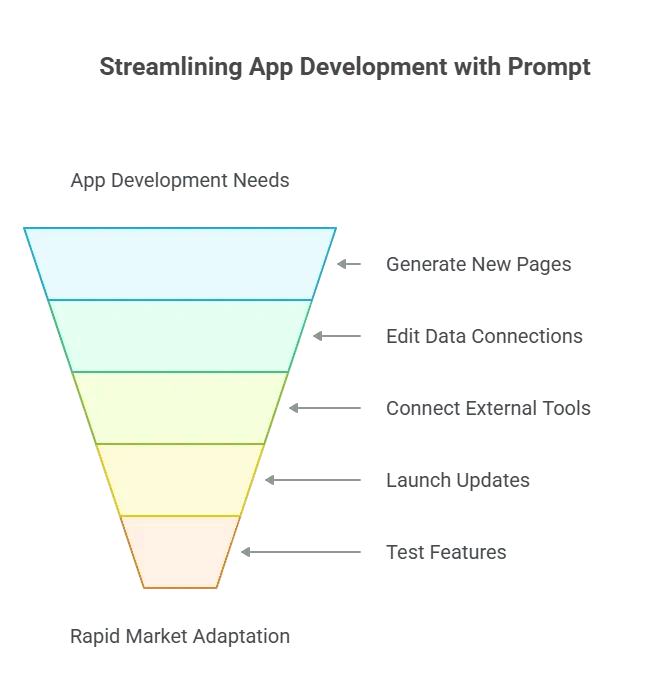 Speed helps teams adjust to market needs. A prompt builder makes that possible.
Deployment, Launch, and Growth
Finally, the launch stage becomes a natural step. Users can deploy web apps or mobile versions with a few clicks. The builder supports hosting, domain connections, and rollout steps. A free tier often helps users get started without pressure.
Once the app goes live, teams can publish updates, check data, refine flows, and keep results moving.
Building With an AI App Builder With Prompt
A prompt-driven builder keeps app creation simple and steady. It helps people create, build, deploy, test, and publish without heavy code or long delays. This makes any idea feel more achievable and keeps progress moving from the first minute. When done right, the process turns a rough concept into something real with less stress.
Table of contents
- -Why Prompt-Driven Creation Works So Well
- -Turning an Idea Into an App Flow
- -Building Without Writing Heavy Code
- -The Power of Clear Natural Language
- -Let’s Talk About Features That Matter
- -Publishing to Stores and Custom Domains
- -Strength in Fast Iteration
- -Streamlining Backend Work
- -Perfect for Internal Tools
- -Great for People With Limited Coding Knowledge
- -Rocket.new: A Complete Vibe Solution Platform
- -Why This Approach Works for Modern Teams
- -Deployment, Launch, and Growth
- -Building With an AI App Builder With Prompt