
Shopify works for many stores, but pricing, fees, and limited customization push brands to consider alternatives. Compare leading eCommerce platforms to find a flexible, cost-effective solution built for growth.
Are there better options than Shopify for running an online store?
Yes. Shopify works, but it does not fit everyone.
Pricing jumps, transaction fees add up, and customization can feel boxed in. That is why many brands look for Shopify alternatives that are lighter, more flexible, or more cost-effective.
According to Statista, the global eCommerce platform market continues to grow, with eCommerce sales projected to exceed $6.3 trillion in 2024.
So picking the right platform is no longer a side task. It shapes how an online store grows.
Let's compare platforms and pick the right one without the guesswork.
Why Businesses Look Above Shopify?
Shopify feels smooth at the start. Then apps begin stacking up. Transaction fees quietly eat into margins, and monthly costs start creeping higher.
Design freedom can feel limited over time. Custom tweaks often require additional tools, steps, or higher-tier plans.
Many small businesses want more control over their eCommerce website, want to keep their existing website, or just want a free eCommerce platform to test ideas without pressure. That is why alternatives to Shopify continue to gain attention.
What Actually Matters in an eCommerce Platform?
Before switching platforms, the basics matter most. Fancy extras mean nothing if the foundation feels messy or confusing.
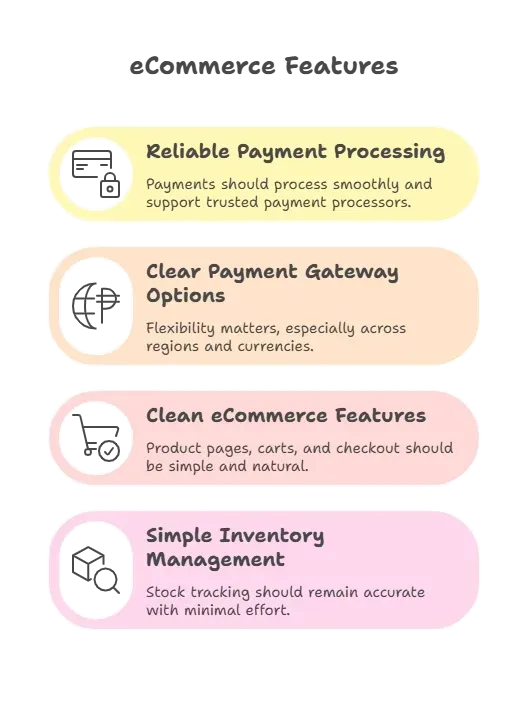
Some brands seek advanced features such as subscription management or custom reports. Others just want to start selling online without stress.
Comparison at a Glance
This quick comparison shows how different platforms stack up in terms of flexibility, cost, and ease of use. It helps spot which option fits specific business needs without digging through feature lists.
| Platform | Best For | Free Plan | Key Strength |
|---|---|---|---|
| Rocket.new | Fast launches & testing | Yes | AI-driven store setup |
| WooCommerce | Full control | Yes | Advanced customization |
| BigCommerce | Scaling brands | No | Advanced eCommerce features |
| Wix | Beginners | Yes | Drag and drop builder |
| Squarespace | Visual brands | No | Design-focused layouts |
| Square Online | Retail stores | Yes | Offline sync |
| Ecwid | Existing sites | Yes | Easy add-on |
No platform fits everyone. The right pick depends on control, speed, and pricing comfort.
Best Shopify Alternatives to Consider
Let's walk through platforms that fit different business styles, budgets, and growth plans, focusing on what actually works in day-to-day use.
So, let’s talk about the best Shopify alternatives that work for eCommerce businesses of all sizes.
1. Rocket.new
It helps small businesses launch an eCommerce website without dragging the setup for weeks. The focus stays on clean pages, fast publishing, and clarity.
It’s especially useful when ideas matter more than perfection. If the goal is to test, tweak, and move fast, Rocket.new stays out of the way instead of slowing things down.
Features:
- Prompt to App Creation – Builds apps directly from single prompt
- Figma Import – Converts design files into live, editable layouts
- AI-Powered Backend – Automatically handles logic, data, and workflows
- Custom Domain Support – Publishes projects with a branded domain
- Code Export – Allows developers to extend or customize later
- Live Preview – Shows instant updates while editing
Best for:
- Small businesses that want to launch fast
- Teams focused on landing pages and quick testing
- Founders who want a clean digital storefront without setup delays
Pricing: Rocket.new offers a free plan for getting started. Paid plans are available for teams that need premium features and higher limits.
A strong pick when speed matters more than deep setup, and the goal is to validate ideas fast.
👉Build Your Online Store with Rocket 🚀
2. WooCommerce
WooCommerce transforms a WordPress site into a full eCommerce store. It offers flexibility but also requires hands-on involvement from the start.
There’s a learning curve here, no denying that. But for people who like to own every decision, that effort starts to feel worthwhile pretty quickly.
It is technically a free eCommerce platform. Hosting and plugins come later.
Features:
- Works with WordPress websites
- Supports unlimited products
- Huge ecosystem of third-party apps
- Strong seo tools for long-term growth
Best for:
- Businesses that want complete control
- Brands already running WordPress websites
- Teams are comfortable managing hosting and plugins
Limitations: WooCommerce requires manual setup and ongoing maintenance. Users must manage hosting, updates, and security independently.
Pricing: The core plugin is completely free. Costs depend on hosting, themes, and paid extensions.
Works well long term, but only when there is time to handle updates, hosting, and maintenance.
3. BigCommerce
BigCommerce is designed with growth in mind. It offers built-in eCommerce tools that reduce reliance on extra apps over time.
It offers advanced eCommerce features without relying too much on apps.
Features:
- Lower transaction fees
- Strong eCommerce features built in
- Sell unlimited products
- Handles large eCommerce websites
Best for:
- Growing eCommerce businesses
- Brands planning to scale product catalogs
- Teams needing advanced eCommerce features without many apps
Limitations: Design flexibility can feel limited compared to open platforms. Pricing increases as sales volume grows.
Pricing: BigCommerce offers paid plans only; there is no free plan. Pricing depends on annual revenue and feature needs.
A solid middle ground between flexibility and structure, especially when growth is predictable.
4. Wix eCommerce
Wix makes eCommerce feel approachable. Its visual tools help stores go live quickly without technical hurdles.
It removes the mental friction of getting started. You spend less time figuring things out and more time actually building something that looks presentable.
Features:
- Easy website builder
- Free themes and customizable design templates
- Free plan for testing
- Friendly for the first online store
Best for:
- Beginners building a first online store
- Small businesses focused on design
- Users who prefer drag-and-drop tools
Limitations: Advanced customization is limited. Large eCommerce stores may outgrow the platform.
Pricing: Wix offers a free plan for testing. eCommerce features are available on paid plans.
Great for getting started quickly, though limitations may appear as product lines expand.
5. Squarespace Commerce
Squarespace focuses on clean design and structure. It works well when presentation matters as much as selling.
Squarespace keeps things intentionally limited. That sounds restrictive, but it often leads to cleaner stores and fewer unnecessary decisions.
Features:
- Stylish free themes
- Built-in marketing tools
- Solid eCommerce features
- Clean digital storefront look
Best for:
- Visual brands and creators
- Businesses selling curated products
- Teams focused on brand identity
Limitations: App selection is limited. Advanced eCommerce workflows may feel restrictive.
Pricing: Squarespace does not offer a free eCommerce plan. Paid plans unlock selling features.
Best when simplicity and presentation stay ahead of complex eCommerce workflows.
6. Square Online
Square Online bridges online and offline sales. It keeps inventory and payments connected across both spaces.
For businesses already using Square, this feels like a natural extension rather than a new tool. Everything connects with minimal effort, which saves energy over the long term.
Features:
- Square Online offers a free plan
- Simple payment processor
- Easy product syncing
- Fair transaction fees
Best for:
- Retail businesses selling online and offline
- Stores already using Square POS
- Small businesses needing a simple setup
Limitations: Design flexibility is basic. Large catalogs may feel constrained.
Pricing: Square Online offers a free plan. Paid plans remove branding and add advanced tools.
Shines when online selling needs to stay tightly connected with physical store operations.
7. Ecwid
Ecwid slips eCommerce into an existing website with minimal effort. It avoids full rebuilds and keeps things lightweight. It integrates with an existing website without rebuilding it.
Ecwid is practical in a very quiet way. It doesn’t demand attention, learning, or redesigns. It simply allows selling to happen alongside everything else.
Features:
- Works with WordPress site and other platforms
- Free plan available
- Easy setup
- Supports multiple eCommerce options
Best for:
- Businesses with an existing website
- Sellers wanting a quick eCommerce add-on
- Small teams selling across channels
Limitations: Standalone store customization is limited. Advanced features require upgrades.
Pricing: Ecwid offers a free plan with basic features. Paid plans unlock advanced selling tools.
Useful for adding selling features without touching the core site setup.
Each platform solves a different problem. The right choice depends on the level of control needed, the speed at which the store should go live, and how comfortable the setup feels as the business grows.
Transaction Fees and Payments Add Up
Transaction fees often decide profits quietly. Small charges may look harmless at first, but they stack up as orders increase.
Some platforms push sellers toward Shopify Payments, while others allow flexible payment gateway choices. That difference can affect control and long-term costs.
A strong eCommerce solution should support:
- Multiple payment processor options: Freedom to choose the option that fits the business.
- Clear payment processing rules: No hidden conditions or confusing fee structures.
- Fair transaction fees: Costs that remain reasonable as sales grow.
As the business grows, payment flexibility becomes less of a nice-to-have and more of a deciding factor.
Community Insight from Real Users
A Reddit user shared this on r/ecommerce:
“Shopify charges a hefty transaction fee on every payment I receive, which feels way too steep. On the lookout for better options or solutions that help with this.”
When Does Shopify Still Fit the Job?
Shopify still works well in certain cases. For some sellers, its setup and ecosystem feel familiar and convenient.
It fits:
- Brands comfortable with paid plans
- Teams that rely on Shopify store apps
- Sellers who prefer an all-in-one platform
Yet as needs change and costs rise, many Shopify merchants begin looking for other options.
Choosing the Right Platform Without Overthinking
The right platform comes down to clear goals, not feature overload. A good choice should feel steady from day one.
Ask a few simple questions:
- Does it fit the budget today? Costs should feel manageable right now.
- Can it scale as the business grows? The platform should grow without constant upgrades.
- Does it support the long-term needs of an eCommerce store? Daily operations should stay smooth.
When the platform feels supportive instead of heavy, the choice is usually right.
Shopify Alternatives That Actually Work
Rising costs, limited flexibility, and increasing transaction fees are driving many sellers away from default platforms. Choosing flexible Shopify alternatives that match size, goals, and growth plans brings balance and control.
No single platform wins for everyone. The right choice supports growth without friction.
Table of contents
- -Why Businesses Look Above Shopify?
- -What Actually Matters in an eCommerce Platform?
- -Comparison at a Glance
- -Best Shopify Alternatives to Consider
- -1. Rocket.new
- -2. WooCommerce
- -3. BigCommerce
- -4. Wix eCommerce
- -5. Squarespace Commerce
- -6. Square Online
- -7. Ecwid
- -Transaction Fees and Payments Add Up
- -Community Insight from Real Users
- -When Does Shopify Still Fit the Job?
- -Choosing the Right Platform Without Overthinking
- -Shopify Alternatives That Actually Work