
Quarterly competitive reports can’t keep up with fast-moving markets in 2026. This piece explains their limitations and shows how Rocket.new enables continuous, real-time intelligence for quicker, more effective strategic decisions
Why are quarterly reports becoming a problem in 2026?
They are starting to slow things down. In 2026, quarterly reporting often creates delays, pressure, and short-term thinking instead of real progress. Research shows that pressure to meet short-term earnings targets pushes many companies to cut back on long-term investments and planning.
That pressure creates a cycle where companies focus more on hitting numbers each quarter instead of building real value. Over time, this affects innovation, strategy, and growth.
So yes, the model is getting outdated. The current quarterly reporting system is struggling to match how fast the market moves today.
This blog will help you understand why this shift is happening and what smarter alternatives look like in 2026.
Why the traditional reporting cycle is losing its edge?
Most companies still rely on quarterly reporting because of rules, securities laws, and expectations from investors. The exchange commission and frameworks like regulation FD require structured disclosure and financial reporting every quarter.
But the current quarterly reporting regime was built for a slower market, while today’s market moves fast with constant news, data, and updates.
-
Every quarter, companies collect data, work with auditors, and prepare accounting statements before they can report results
-
By the time earnings releases, press releases, and earnings calls happen, the market has already shifted
-
Important material change can be missed during the delay
-
Shared material information may already be outdated
-
Weak analyst coverage can impact how investors view companies
This lag in reporting makes it harder for companies to stay aligned with the real-time market, increasing risks and slowing down decisions.
Short-term pressure is shaping the wrong behavior
Let’s talk about something everyone feels but rarely says. Short-termism is becoming common as public companies rely heavily on quarterly reporting.
This constant pressure to perform each quarter starts shaping decisions, often pulling attention away from real business strategy and long term direction.
-
Revenue pressure: How do companies increase revenue this quarter instead of building stable growth
-
Analyst expectations: How to impress analysts during upcoming earnings calls and maintain strong analyst coverage
-
Strategy shift: Reduced focus on long term investments due to frequent reporting cycles
-
Innovation impact: Less room to experiment and create, as short cycles dominate thinking
-
Value creation gap: Weak long term value creation as decisions prioritize quick wins
Even president trump raised concerns about mandatory quarterly reporting, and the trump administration discussed making quarterly reporting optional to reduce regulatory burden. This shows the issue has been building for years, not just recently.
Regulatory weight is increasing complexity
Now let’s zoom into the compliance side. Quarterly reporting brings a growing layer of responsibility for public companies, especially smaller companies, where resources are already tight and accounting effort is high.
-
Disclosure controls: Strict disclosure controls to maintain accurate and fair disclosure
-
Reporting requirements: Detailed reporting requirements that must meet exchange commission and securities rules
-
Auditor coordination: Ongoing work with auditors to validate financial reporting and maintain standards
-
Accounting load: Continuous accounting adjustments across every quarter
Add in:
-
Sec releases: Frequent sec releases that update compliance expectations
-
Regulatory updates: Changes from the exchange commission that affect reporting
-
Regulation FD: Ongoing regulation FD obligations to handle material nonpublic information properly
This creates high compliance costs and adds to the regulatory burden, pulling the team away from building and strategy. Even during the public comment period, many companies and analysts pointed out how heavy this quarterly reporting structure has become.
Semiannual reporting vs quarterly reporting
So what’s the alternative? Many experts are talking about semiannual reporting as a way to reduce pressure from constant quarterly reporting.
Let’s break it down:
| Factor | Quarterly Reporting | Semiannual Reporting |
|---|---|---|
| Frequency | Every quarter | Twice a year |
| Pressure | High | Lower |
| Focus | Short term | Long term |
| Compliance effort | Heavy | Reduced |
| Analyst reaction | Immediate | More thoughtful |
Semiannual reporting reduces frequent reporting pressure and gives companies more space to think and plan. But there’s a tradeoff. Less frequent reporting means fewer structured updates for investors, which can slow down how material information reaches the market.
That’s why many suggest a hybrid approach. Continue reporting quarterly for key disclosure and financial reporting, while adding flexible updates for real-time material nonpublic information. This way, companies can maintain balance between speed and clarity.
The role of disclosure and information flow
Here’s where things get interesting. Even if semiannual reporting becomes more common, companies still need to maintain strong disclosure and transparency in the market.
-
Investor expectations: Investors expect timely material information to make decisions
-
Analyst reliance: Analysts depend on consistent analyst coverage and clear reporting
-
Market speed: Public markets react quickly to news, so delays increase risks
That’s where frameworks like regulation FD come in.
-
Fair disclosure: Equal sharing of material nonpublic information across all investors
-
No selective access: Prevents selective communication of other material information
-
Consistent flow: Helps companies maintain trust through proper disclosure
So the challenge is not just reducing quarterly reporting. The real challenge is how companies can share insights faster while still following rules and maintaining proper reporting.
Where Rocket.new fits into this shift?
So now comes the interesting part. If quarterly reporting is slow, what replaces it? That’s where Rocket.new steps in.
Rocket is not built around fixed quarterly reporting cycles. It works on continuous data, real-time insights, and connected workflows that help companies move faster in the market.
What Rocket does differently
-
Signal tracking: Connects competitors signals with live market activity
-
Data flow: Brings in real-time data instead of waiting every quarter
-
Research layer: Uses structured research to support better decisions
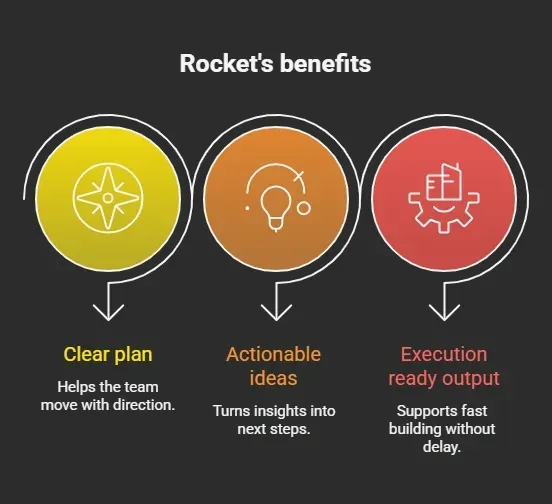 No waiting for the next quarter. Just continuous reporting and action.
How Rocket intelligence works
Rocket Intelligence is designed to move beyond slow quarterly reporting cycles and help companies act faster using real-time data and connected insights.
1. Continuous signal tracking
Instead of waiting for quarterly reporting, Rocket tracks competitors, market shifts, and news in real time.
2. Context building
It connects data with context, so the team doesn’t just see numbers but understands what they mean.
3. Actionable insights
It converts insights into clear next steps, helping companies plan and act quickly.
4. AI systems support
It uses AI systems and artificial intelligence to process signals faster and improve reporting quality.
This approach helps companies reduce delays, improve decision-making, and stay aligned with a fast-moving market without depending only on a fixed quarter cycle.
How Rocket connects with the reporting problem?
Let’s tie this back. Traditional quarterly reporting is built around fixed cycles, which often makes reporting static and delayed, with a strong focus on past financial reporting instead of what’s happening now.
-
Traditional approach: Static updates, delayed reporting, and backward-looking financial reporting
-
Rocket approach: Continuous reporting, real-time material nonpublic information signals, and forward-looking insights
So instead of waiting for the next quarter to report results, companies and their team can act immediately based on live market signals.
This shift changes how decisions are made. It reduces delay, improves timing, and helps companies stay aligned with real-time data and market movement.
The bigger shift in the market
We are seeing a clear shift in how companies approach reporting and the market.
-
From mandatory quarterly reporting: Heavy disclosure cycles and pressure from mandatory quarterly reporting
-
From reactive strategy: A reactive business strategy driven by past financial reporting and delayed insights
-
To flexible semiannual reporting: Growing interest in semiannual reporting and less frequent reporting
-
To real-time frequent reporting: Smarter frequent reporting supported by live data and insights
-
To proactive execution: Faster plan and action based on current market signals
-
Regulatory direction: Views from sec chair paul atkins and updates in sec releases suggest changes in reporting requirements
-
Quarterly reporting optional: Discussions around making quarterly reporting optional to reduce regulatory burden
-
Long term focus: Encouraging long term investments instead of short-term pressure
-
Market impact: Changes in capital raising, expectations for public companies, and shifts in analyst coverage
This shift shows how companies are moving away from rigid cycles toward faster and more flexible reporting.
Risks of staying in the old model
If companies stick only to quarterly reporting, they face:
-
Delayed disclosure
-
Weak response to material change
-
Poor market timing
-
Increased risks
And honestly, in a fast-moving market, delay equals loss.
Rethinking reporting cycles in a fast-moving market
The problem is clear. Quarterly reporting creates delays, pressure, and strong short termism. It adds regulatory burden, increases compliance costs, and slows how companies respond to the market. Instead of acting on real-time data and insights, teams wait for each quarter to report results, which affects timing, disclosure, and overall focus.
The solution is shifting toward semiannual reporting combined with frequent reporting tools like Rocket. This approach helps companies act faster, maintain strong disclosure, and support better long term value creation.
If you want to move beyond slow quarterly reporting cycles, Rocket.new helps your team turn real-time signals into action.
Table of contents
- -Why the traditional reporting cycle is losing its edge?
- -Short-term pressure is shaping the wrong behavior
- -Regulatory weight is increasing complexity
- -Semiannual reporting vs quarterly reporting
- -The role of disclosure and information flow
- -Where Rocket.new fits into this shift?
- -What Rocket does differently
- -How Rocket intelligence works
- -1\. Continuous signal tracking
- -2\. Context building
- -3\. Actionable insights
- -4\. AI systems support
- -How Rocket connects with the reporting problem?
- -The bigger shift in the market
- -Risks of staying in the old model
- -Rethinking reporting cycles in a fast-moving market