Why is digital modernization crucial for today’s organizations? A clear strategy streamlines systems, optimizes workflows, and supports cloud migration, helping organizations like the DoD achieve scalable, successful transformation.
Struggling to keep up with digital transformation?
That’s exactly where a digital modernization strategy comes in. It serves as a roadmap for organizing systems, managing operations, and keeping workflows aligned.
According to recent data, 90% of organizations are undergoing digital transformation, and 72% prioritize cloud migration as part of their strategy, showing how widespread and strategic digital initiatives have become.
Let's see what digital modernization is, how to develop a scalable strategy, and how organizations like DoD implement it successfully.
Why Digital Modernization is More Important Than Ever?
Wondering why everyone’s talking about digital modernization these days? It’s not just hype that how an organization updates its systems, processes, and workforce affects performance, efficiency, and competitiveness.
Key reasons to prioritize digital modernization:
- Operations: Streamlines workflows and reduces bottlenecks.
- Workforce: Supports employees with modern tools and easy access to information.
- Data management: Makes data actionable, accessible, and secure.
- Security: Protects sensitive information from cyber threats.
- Competitive advantage: Helps organizations stay ahead in fast-changing markets.
Without a clear strategy, modernization can feel like a series of random upgrades. A structured plan turns scattered efforts into measurable progress, keeping organizations agile, secure, and ready for the future.
Core Elements of a Digital Modernization Strategy
Before diving in, it’s worth asking what really sets a digital modernization strategy apart from just buying the latest tech? The answer lies in focusing on key elements that make systems smarter, safer, and more adaptable.
- Legacy systems: Older systems often slow down processes, complicate integration, and increase costs.
- Emerging technologies: AI, cloud services, and new technologies can improve efficiency, decision-making, and security.
- Processes and operations: Continuous improvement ensures operations keep pace with evolving technology.
- Security and compliance: Strong cybersecurity measures protect sensitive data and maintain trust.
Covering these core elements ensures modernization isn’t just a series of flashy tech upgrades—it’s a cohesive strategy that strengthens operations, supports users, and prepares the organization for future challenges.
Assessing Current Systems and Legacy Challenges
Before implementing anything, organizations need a clear picture of existing systems and legacy infrastructure.
Ask:
- Which systems are outdated?
- Where are bottlenecks slowing operations?
- Are processes aligned with organizational goals?
Understanding these gaps helps prioritize initiatives and resources.
Setting Objectives and Priorities
Before you jump into modernizing systems, it helps to know exactly what you’re aiming for. Clear objectives turn ideas into action and prevent wasted effort.
- Cybersecurity: Strengthen protection of sensitive data and systems.
- Emerging technologies: Integrate AI, cloud services, and other tools where they make a real impact.
- Data access: Ensure information is easy to find and use across teams.
- DoD priorities: Focus on joint force readiness, technological innovation, and global command efficiency.
- Leadership alignment: DoD leadership and the DoD CIO coordinate initiatives across departments for smooth execution.
Well-defined objectives and priorities act like a GPS for modernization. They keep the team focused, ensure resources are used wisely, and align every effort with broader organizational goals.
Leveraging Emerging Technologies
Technology changes fast, but not every shiny new tool actually moves the needle. Knowing how to apply emerging technologies wisely is what separates strategic modernization from random upgrades.
- Artificial intelligence: Speeds up data analysis, supports audit trails, and improves response times.
- Cloud services: Enhance collaboration, accessibility, and flexibility across teams.
- Thoughtful adoption: Focus on tools that deliver real operational gains, not just the newest trends.
Using emerging technologies strategically ensures modernization is practical and impactful, helping organizations work smarter, faster, and more securely.
Security, Compliance, and Continuous Improvement
Modernization isn’t just about shiny new tech. Keeping systems safe, compliant, and adaptable is just as important.
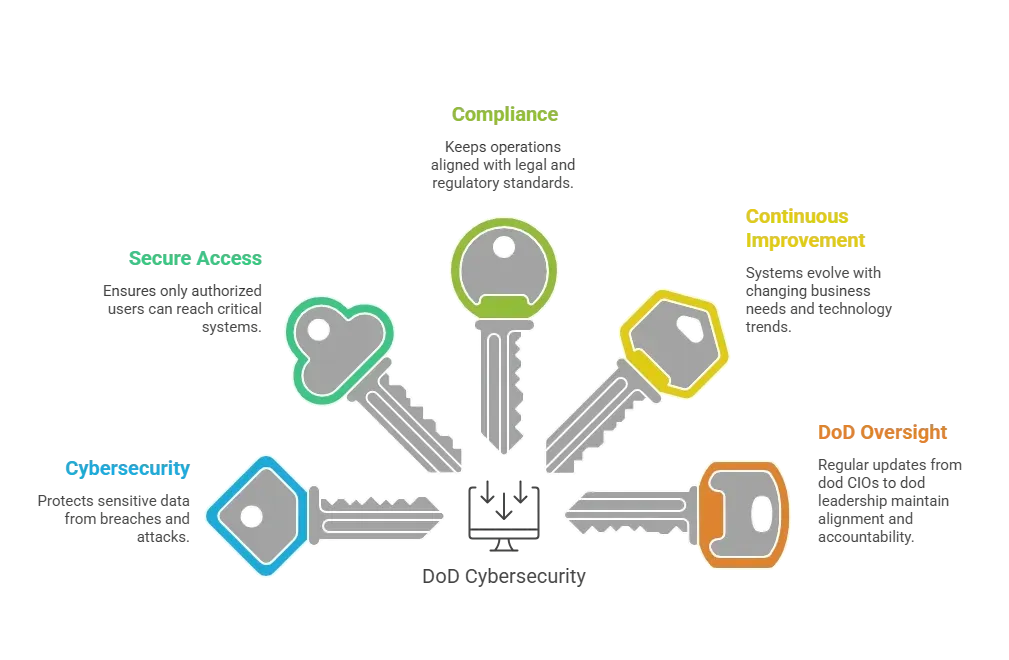
Even the best technology can fail if processes aren’t monitored and refined. Small, ongoing improvements often have a bigger impact than one-time overhauls.
Integrating security, compliance, and continuous improvement makes modernization sustainable. It ensures systems remain reliable, adaptable, and ready for future challenges.
Four Strategic Initiatives
A scalable digital modernization strategy often follows four strategic initiatives:
- Modernize infrastructure and legacy systems
- Enhance cybersecurity and compliance
- Integrate emerging technologies
- Drive continuous improvement
These initiatives guide budgeting, implementation, and monitoring, making modernization more systematic.
Digital Modernization Roadmap
Planning is everything. A roadmap turns abstract modernization goals into concrete actions, showing exactly what needs to happen, who’s responsible, and how success will be measured.
| Initiative | Objective | Key Actions | Metrics |
|---|---|---|---|
| Infrastructure | Replace legacy systems | Migrate to the cloud, upgrade servers | System uptime, cost reduction |
| Security | Secure operations | Implement protocols, audit compliance | Breach incidents, compliance score |
| Emerging Tech | Apply AI and automation | Deploy AI tools, optimize workflows | Task completion, accuracy |
| Continuous Improvement | Optimize processes | Gather feedback, update SOPs | Efficiency, user satisfaction |
This roadmap keeps modernization focused and measurable. By tracking initiatives, actions, and metrics, organizations can clearly see progress and adjust quickly as needed.
Community Insight
One Reddit user shared practical experience with digital modernization:
“A successful digital modernization strategy isn’t about tech alone. It’s aligning systems with business goals and supporting continuous improvement.”
Digital modernization works best when technology serves business goals, not the other way around. Aligning systems, fostering collaboration, and committing to continuous improvement are key to long-term success.
Rocket.new for Supporting Digital Modernization Strategy
Modernizing systems isn’t just about technology; it’s about coordination, visibility, and progress tracking. Platforms like Rocket.new support a digital modernization strategy by helping teams stay organized, aligned, and focused on achieving business goals.
Top features
- Project and task management: Track modernization initiatives, assign tasks, and monitor progress in real time.
- Collaboration tools: Teams across departments can work together, share updates, and maintain alignment.
- Real-time dashboards: Visualize metrics, system status, and modernization progress at a glance.
- Cloud integrations: Seamlessly connect with cloud services for scalable and accessible systems.
Use cases:
- System upgrades monitoring: Track legacy system replacements, migrations to the cloud, and server upgrades efficiently.
- AI and emerging technology deployment: Coordinate the rollout of AI tools, automation, or new platforms across teams.
- Security and audit tracking: Maintain audit trails and monitor compliance measures across modernization initiatives.
- DoD CIO reporting: Enable DoD CIOs and leadership to track progress, visualize metrics, and communicate updates clearly.
By focusing on coordination, visibility, and practical workflows, Rocket.new highlights how modern platforms can support a scalable digital modernization strategy without getting in the way of actual work.
Future-Proofing Your Digital Modernization Strategy
Modernization isn’t a one-and-done project. To stay ahead, organizations need strategies that evolve with changing technology and business needs.
- Continuous improvement: Keep refining systems and processes to match organizational goals.
- Adaptable processes: Ensure workflows can adjust as new technologies emerge.
- Integration of new technologies: Leverage AI, cloud services, and modern systems for efficiency and growth.
A future-proof strategy doesn’t just react to change, it anticipates it. By staying flexible and continuously improving, organizations remain competitive and ready for whatever comes next.
Scaling Digital Modernization
Organizations often struggle with legacy systems, uncoordinated initiatives, and unclear objectives, slowing progress.
A digital modernization strategy provides a structured roadmap with clear objectives, priorities, and continuous improvement practices. It integrates emerging technologies, supports users, and maintains security.
A digital modernization strategy turns scattered modernization efforts into coordinated, measurable progress. With planning and monitoring, organizations can remain competitive, secure, and adaptable.
Table of contents
- -Why Digital Modernization is More Important Than Ever?
- -Core Elements of a Digital Modernization Strategy
- -Assessing Current Systems and Legacy Challenges
- -Setting Objectives and Priorities
- -Leveraging Emerging Technologies
- -Security, Compliance, and Continuous Improvement
- -Four Strategic Initiatives
- -Digital Modernization Roadmap
- -Community Insight
- -Rocket.new for Supporting Digital Modernization Strategy
- -Future-Proofing Your Digital Modernization Strategy
- -Scaling Digital Modernization