
Rocket.new is redefining app development by streamlining processes and reducing costs, compelling competitors to innovate rapidly and adjust strategies to stay relevant in an increasingly fast-paced and competitive tech landscape.
What is driving the change in how competitors operate in modern app development?
It comes down to one thing: speed powered by AI.
Today, AI-powered platform tools are reshaping how teams build, launch, and scale apps. Instead of long development cycles, many teams now rely on natural language and automation to move faster and reduce manual work. This shift is not small.
According to OutSystems by 2025, 70% of new applications developed by organizations will use low-code or no-code technologies, up from less than 25% in 2020.
So, what does this mean for competitors? It means speed, smarter workflows, and fewer barriers.
Let’s break it down.
The Shift in How Apps are Built Today?
For years, building mobile apps and web apps required deep coding knowledge. Developers had to manage backend setup, frontend design, and deployment separately. It took time, effort, and a lot of coordination.
AI app builder tools are helping teams move faster. With natural language prompts, even non-developers can create a working app. Instead of writing code line by line, users simply describe what they want. The platform takes care of code generation, backend logic, and deployment.
Here’s what that shift really means:
-
Less time spent writing code
-
Faster project turnaround
-
More focus on real users
And yes, competitors are watching this change very closely.
Why Competitors are Paying Attention?
Most teams are not just building apps anymore. They are racing. Speed, cost, and output now define performance in today’s app space.
-
How fast can we build?
-
Can we ship production ready applications quicker?
-
Can we reduce dependency on large technical teams?
This is where Rocket comes into play..
Rocket.new and the Competitive Edge
Rocket is not just another tool. It is designed for teams focused on clarity and output.
-
Build web and mobile apps: Teams can create and launch apps faster using a single system
-
Manage backend logic: Complex backend tasks are handled without heavy setup
-
Handle code export: Teams keep flexibility by accessing and modifying their code
-
Launch to app stores: Apps go live quicker with a smoother release process
This shift changes how teams approach development, making simplicity, and control a core part of how competitors operate.
How Rocket Works?
Rocket works using natural language. You type what you want in plain language. The system reads it and builds your app.
So, instead of writing code manually, you guide the AI.
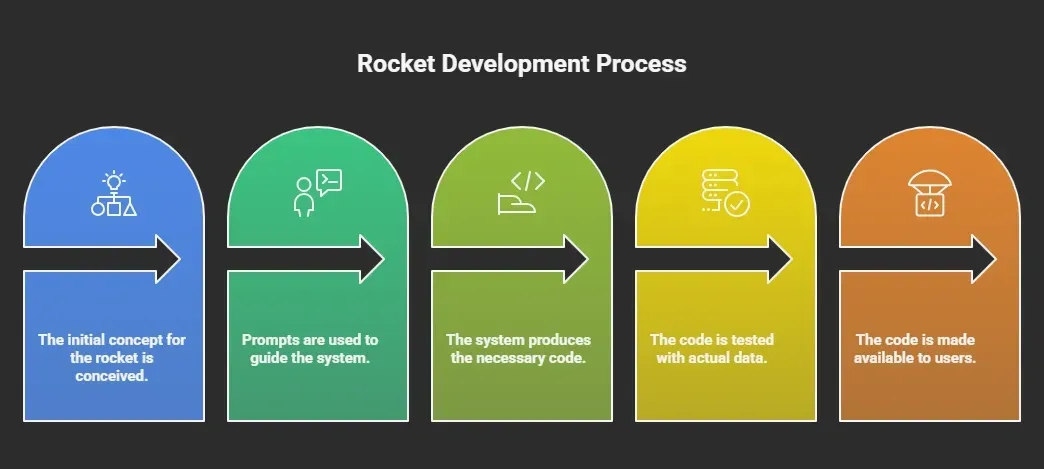 That’s it, No heavy setup. No long delays.
Core Features That Make Rocket Stand Out
Rocket brings together multiple tools into one platform.
Key features include:
-
Code generation for full-stack applications
-
Figma import for design to app conversion
-
Backend setup with minimal input
-
Support for mobile apps and web apps
-
Custom domains for deployment
-
AI assistance for debugging and updates
These features save time and reduce effort.
Rocket Intelligence Overview
Rocket includes an intelligence layer that improves how apps are built. It learns from patterns, user behavior, and project data.
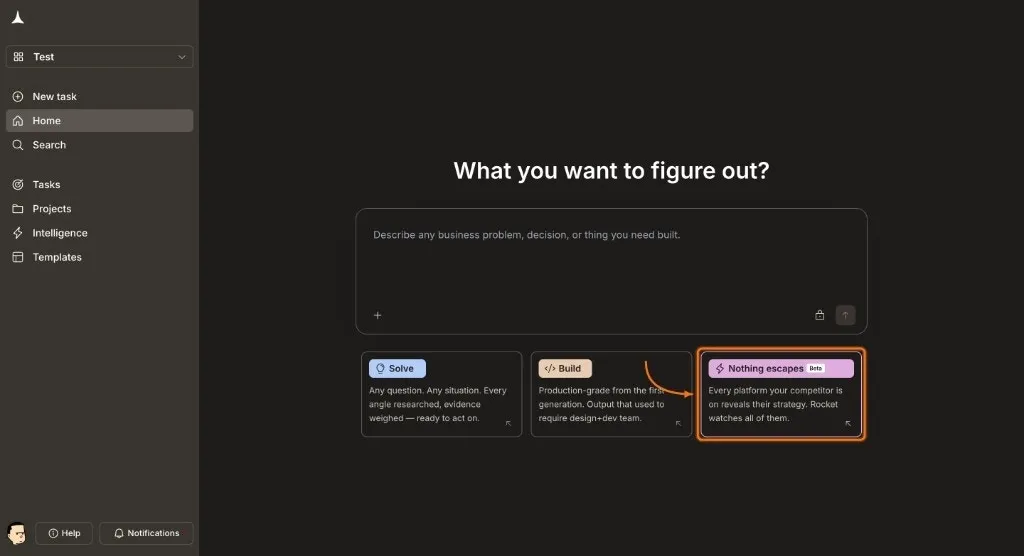 This intelligence helps:
-
Suggest better app structures
-
Improve backend logic
-
Reduce token consumption
-
Deliver production-ready code
It also helps teams manage complex business logic without stress.
Comparing Rocket with Other Platforms
Here’s a simple comparison:
| Feature | Rocket | Other Platforms |
|---|---|---|
| Code Generation | Yes | Limited |
| Natural Language Prompts | Yes | Partial |
| Mobile Apps Support | Strong | Moderate |
| Web Apps | Strong | Strong |
| Figma Import | Yes | Limited |
| Backend Setup | Automated | Manual |
| Pricing | Flexible paid plans | Fixed pricing |
| Code Export | Available | Restricted |
Rocket clearly stands out in speed and flexibility.
Why Teams Prefer Rocket?
Teams today want results. Speed and consistency matter more than ever in modern app development.
-
Build faster: Teams can move from idea to working output in less time
-
Reduce errors: Automated systems help minimize manual mistakes
-
Launch quicker: Apps reach real users without long delays
This makes Rocket a strong choice for small teams, solo founders, and even enterprise teams working on internal tools and rapid prototypes.
The Role of AI in Modern Development
AI is no longer optional. It is shaping how apps are created and improved.
-
Less repetitive code: Developers spend less time on routine coding tasks
-
Faster movement: Product teams can push updates and changes quickly
-
Better apps: Users benefit from smoother and more refined experiences
AI powered systems reduce manual effort and help teams maintain consistent speed across projects.
Real Use Cases
Rocket supports different types of app development across industries and team sizes.
-
Mobile apps for startups: Quick builds for new ideas and early launches
-
Web applications for businesses: Scalable solutions for online services
-
Internal tools for teams: Simple systems to manage workflows
-
Full stack applications for enterprise: Complete solutions with frontend and backend
This flexibility allows teams to handle both web and mobile development in one place.
Pricing and Plans
Rocket offers flexible pricing that adapts to different needs and project sizes.
-
Token usage: Pricing depends on how much the system is used
-
Features access: Different plans provide access to various tools and capabilities
-
Project size: Larger projects may require more resources and tokens
With no hard limits on scaling and clear token consumption, teams get a fair and predictable pricing structure.
Real perspective
Professionals across the industry are already talking about how AI is changing the way apps are built and how teams approach development.
“The future is less about how well you type syntax, and more about how clearly you can articulate your vision.” Linkedin
This shows a clear shift. Building apps is no longer just about writing code. It is about thinking clearly, using AI tools, and turning ideas into working products faster.
How Rocket Connects with Competitor Behavior?
Rocket directly impacts competitors. It reduces the gap between idea and execution, making speed a key factor in staying relevant.
-
Competitors need to adjust their workflows and adopt faster tools to keep up with changing development patterns
-
Many teams start upgrading their existing systems to match the capabilities of AI powered platforms
-
Faster delivery becomes the standard, pushing competitors to shorten their development cycles
If they fail to keep up with this shift, they risk falling behind in both performance and user expectations..
Investors and Growth
Rocket is backed by strong investors, which adds confidence to its long-term direction.
-
This shows trust from a major enterprise player in the platform’s potential
-
Early-stage backing highlights strong belief in growth and innovation
-
Investment support often leads to faster updates and more features
This backing signals steady growth and ongoing improvements in the platform.
Challenges and Considerations
No system is perfect, and Rocket also comes with a few areas to keep in mind.
-
Learning curve: New users may take some time to understand how to use natural language prompts effectively
-
Token usage management: Since pricing depends on usage, teams need to track how much they consume
-
Advanced customization: Highly specific use cases may still require manual adjustments or developer input
Even with these challenges, the overall value remains strong for most teams.
Rocket.new on Competitor Operates
Traditional app development is slow and often frustrating. Teams spend too much time writing code, handling backend setup, and managing multiple tools across the process. This creates a clear gap between idea and execution. Rocket changes that by bringing everything into one platform. With AI powered workflows, natural language prompts, and full-stack generation, teams can build faster and with less effort.
Competitive app development now depends on speed and clarity. Teams that adapt to AI powered tools move faster, launch sooner, and deliver better apps to real users. Those who stick to older methods risk falling behind as competitors continue to improve and ship quicker.
Try Rocket.new today and see how quickly you can turn your idea into a working app.
Table of contents
- -The Shift in How Apps are Built Today?
- -Why Competitors are Paying Attention?
- -Rocket.new and the Competitive Edge
- -How Rocket Works?
- -Core Features That Make Rocket Stand Out
- -Key features include:
- -Rocket Intelligence Overview
- -Comparing Rocket with Other Platforms
- -Why Teams Prefer Rocket?
- -The Role of AI in Modern Development
- -Real Use Cases
- -Pricing and Plans
- -Real perspective
- -How Rocket Connects with Competitor Behavior?
- -Investors and Growth
- -Challenges and Considerations
- -Rocket.new on Competitor Operates