
This guide explains how to build a social networking platform like LinkedIn by defining a niche, planning core MVP features, and choosing a scalable tech stack. It covers essential elements such as profiles, job boards, messaging, engagement design, and monetization models. Developers and startups will learn practical steps to launch, grow, and scale a professional networking platform successfully.
How do you build a professional network online that people actually use? The short answer is this: you create a focused social network that helps professionals connect, share expertise, and discover job opportunities in a simple, trustworthy way. Platforms like LinkedIn show that when you mix profiles, content, and hiring tools, you can build something powerful.
LinkedIn is the largest professional networking site with over 1 billion members worldwide, according to its official newsroom. That scale proves one thing. People want structured online networking. If you plan to create a social network like LinkedIn, this guide walks you through every major step.
Why Build a Social Network Like LinkedIn?
A professional social network serves a very different purpose than casual social media. People join to grow skills, build relationships, and find career opportunities.
Most people use LinkedIn to stay connected with their industry. Others want job listings, career advice, or a way to connect with decision makers. Businesses use it for marketing and hiring.
If you create a similar platform, you are not just building another social media platform. You are building a business focused on professional relationships and meaningful connections. And yes, there are many benefits to building one if you target a niche properly.
Understanding Professional Networking in the Digital Age
Professional networking is about building and maintaining mutually beneficial relationships with professionals in your field. Online networking has replaced many in-person events.
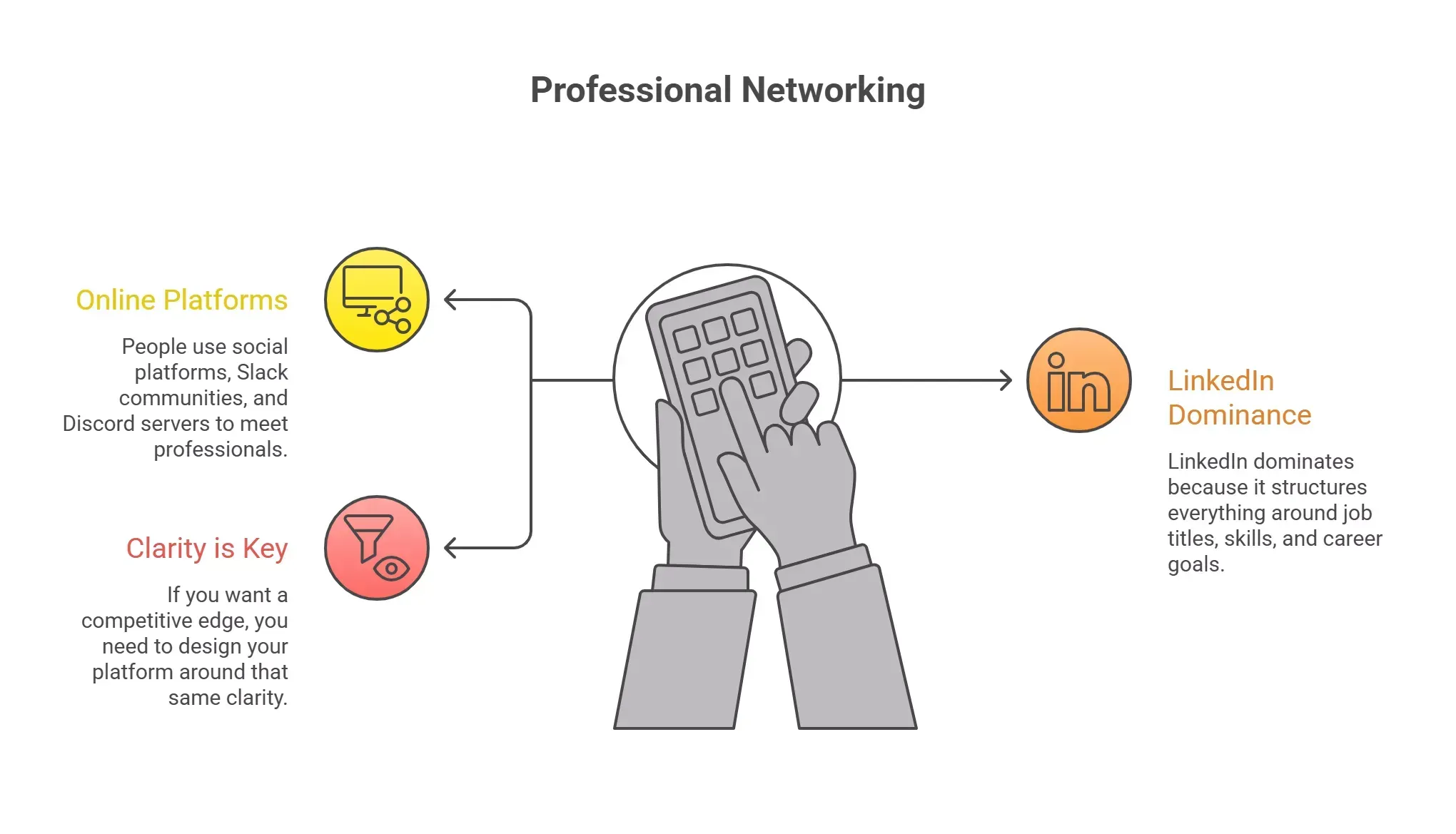
Today, people use social platforms, Slack communities, and even Discord servers to meet professionals. They exchange advice, share posts, and talk about industry trends.
Still, LinkedIn dominates because it structures everything around job titles, skills, and career goals. That focus keeps the network clean and relevant. If you want a competitive edge, you need to design your platform around that same clarity.
What Makes LinkedIn the Largest Professional Networking Site?
LinkedIn works because it blends three things:
- User profiles built around skills and expertise
- A content feed where professionals share posts
- Recruitment tools and job boards
Almost three-quarters of LinkedIn's revenue comes from talent solutions, which are recruitment services. That shows how powerful job opportunities are for monetization. It also charges for premium memberships, offers sponsored content, and sells marketing tools to business clients.
LinkedIn Alternatives: What They Teach You
You cannot build a strong alternative without studying LinkedIn alternatives. Here are examples:
- Meetup connects like-minded individuals in local networking groups and encourages face-to-face meetings.
- Eventbrite hosts millions of events globally, virtual and physical.
- Discord has over 200 million monthly active users and works well for niche communities.
- Slack has become popular for Slack communities around startups and UX.
- Facebook groups act as informal networking spaces.
- Reddit has over 100,000 active communities.
- AngelList connects founders and investors.
- X helps professionals share ideas publicly.
- Xing is popular in Europe.
- The Dots focuses on creatives and portfolios.
Each of these LinkedIn alternatives focuses on community and interests. That is your lesson. Pick a niche inside an industry.
Step 1: Define Your Niche and Core Value
Before writing code, define your audience. Is your social network for the tech industry? For healthcare? For freelancers? For local networking?
A clear focus helps you attract the right professionals and grow a strong community. Quality contacts in your network matter more than raw numbers.
Step 2: Plan Your MVP Features
Start small. An MVP for a professional networking platform should include:
- User profiles
- Connection requests
- Messaging
- Basic job boards
- News feed with posts
Do not overload it. Create the basic MVP first with a platform like Rocket.new. Then expand.
Core Features You Cannot Skip
Let us break down the key features your platform needs.
User Profiles
Profiles are the heart of any social network, like LinkedIn. Users must list skills, job titles, experience, and interests. Profiles help build a personal brand and attract potential clients or recruiters.
News Feed
A content feed keeps users active. They should post updates, share advice, and comment on industry topics. Interactions, such as likes and shares, help professionals stay visible and build relationships.
Job Boards and Job Listings
Job boards drive traffic. Job seekers visit daily to check job listings and new job opportunities. Companies post roles. Professionals apply. The network grows.
Advanced Search
Advanced search lets users filter by company, location, or expertise. This helps them connect faster.
Real Time Chat
Real-time chat features help professionals connect instantly. Messaging builds relationships.
Step 3: Choose the Right Tech Stack
Recommended Tech Stack
Choosing the right tools matters. You can use:
- Frontend: React or Vue
- Backend: Node.js or Django
- Databases: PostgreSQL or MongoDB
- Cloud providers: AWS or Google Cloud
Microservices architecture allows your platform to grow independently across services. A scalable architecture is required to manage heavy traffic and data volumes.
Security and Data Privacy
Professionals share sensitive data. You must protect it. Strong encryption by default is required. Add multi-factor authentication. Use OAuth 2.0 for login.
Follow GDPR and CCPA rules. Data security builds trust. Trust builds community.
Step 4: Design for Engagement
Professional networking thrives on interaction. You can add:
- Custom notifications based on interests
- Recommendation algorithms
- Gamification, like profile strength meters
- Personalized content suggestions
Encourage users to engage with posts and stay connected with their network.
"LinkedIn works when you treat it like a relationship building tool, not a job board." — LinkedIn Post
That line sums it up. Your platform should promote meaningful connections, not just job listings.
Step 5: Build a Monetization Strategy
Monetization Models
Your business model can include:
| Model | Description |
|---|---|
| Freemium | Free basic access, paid premium features |
| Premium subscriptions | Extra messaging, analytics, and exclusive content |
| Advertising | Sponsored content and banner ads |
| Recruitment services | Charge for job posts and hiring tools |
LinkedIn generates revenue from marketing, recruitment, and premium plans. You can follow a similar structure.
Step 6: Build Professional Networking Features
Features That Matter
Focus on tools that help professionals:
- Career advice sections
- Industry leaders content
- Networking opportunities through virtual events
- Access to resources and learning
- Tools for managing professional connections
Attending online networking events is one of the best ways to expand relationships. You can host webinars or digital meetups.
Step 7: Market Your Platform
You need marketing from day one. Use social media to promote. Target professionals on X and Facebook groups. Reach out to Slack communities.
Share industry insights. Provide free value. That attracts users and builds your network.
Step 8: Scale Your Social Network
As users grow, your platform must scale. Use cloud native infrastructure. Monitor analytics and reporting tools. Track engagement.
A scalable system keeps your community stable as it expands.
Rocket Mode: Build Faster with Rocket.new
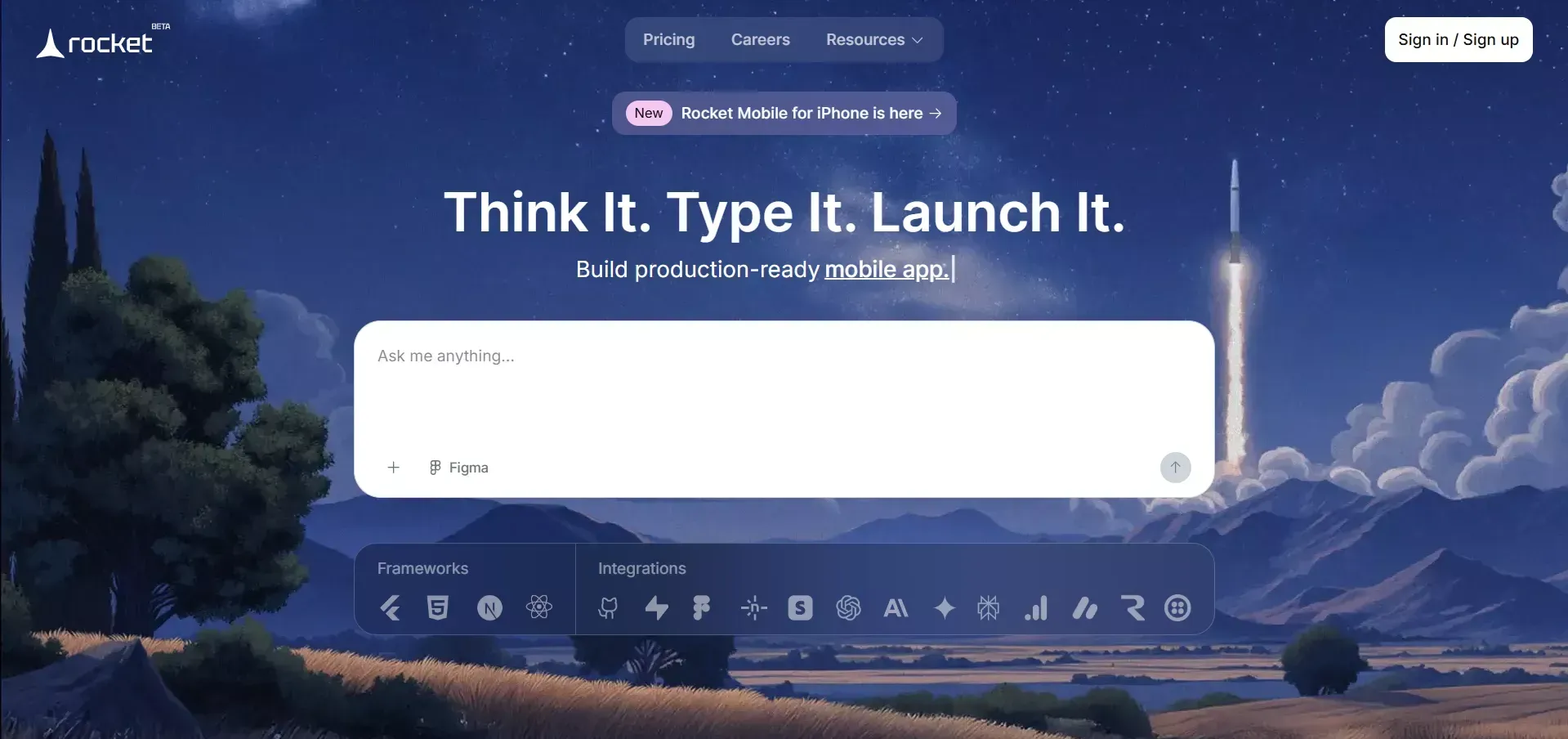
If you want to create a social network like LinkedIn quickly, Rocket.new can help. It lets you build full-stack apps using AI tools. You can generate frontend UI, backend logic, and database structure faster. It helps you manage authentication, dashboards, and APIs.
What You Can Build Quickly
For a networking platform, you can:
- Create profile pages
- Build job boards
- Add messaging features
- Deploy quickly to the cloud
Try building your next app with Rocket
This is useful for startups targeting business clients and job seekers who need fast access to networking opportunities.
Real World Use Cases
Here are some practical ideas:
- A tech industry network for developers to share expertise
- A local networking platform for small business owners
- A creative industry community with portfolio sharing
- A startup founder network connecting investors and decision makers
Each case serves different business needs and career goals.
Challenges You Should Expect
Running a social network is not easy. You must:
- Moderate posts
- Manage spam
- Handle data securely
- Keep users engaged
Also, competing with LinkedIn and other alternatives means you need a strong, niche-focused alternative.
Focus on Relationships, Not Just Features
Most people join social platforms for connection. Your platform should encourage professionals to follow up after connecting. It should promote quality over quantity.
Strong professional relationships create repeat visits and new opportunities.
Focus on Community, Features, and Monetization
If you are serious about building a social networking platform like LinkedIn, focus on community first, features second, and monetization third. Create a niche-based platform. Build an MVP with profiles, job boards, and messaging. Scale with cloud infrastructure. Add smart tools for engagement. Then market it to professionals who care about growth.
That is how you create a social network that actually lasts.
Table of contents
- -Why Build a Social Network Like LinkedIn?
- -Understanding Professional Networking in the Digital Age
- -What Makes LinkedIn the Largest Professional Networking Site?
- -LinkedIn Alternatives: What They Teach You
- -Step 1: Define Your Niche and Core Value
- -Step 2: Plan Your MVP Features
- -Core Features You Cannot Skip
- -User Profiles
- -News Feed
- -Job Boards and Job Listings
- -Advanced Search
- -Real Time Chat
- -Step 3: Choose the Right Tech Stack
- -Recommended Tech Stack
- -Security and Data Privacy
- -Step 4: Design for Engagement
- -Step 5: Build a Monetization Strategy
- -Monetization Models
- -Step 6: Build Professional Networking Features
- -Features That Matter
- -Step 7: Market Your Platform
- -Step 8: Scale Your Social Network
- -Rocket Mode: Build Faster with Rocket.new
- -What You Can Build Quickly
- -Real World Use Cases
- -Challenges You Should Expect
- -Focus on Relationships, Not Just Features
- -Focus on Community, Features, and Monetization