
Competitive intelligence in 2026 is evolving from reactive analysis to predictive insight, leveraging AI, data modeling, and foresight to anticipate market shifts, outperform rivals, and enable faster, more strategic decision-making.
Why are teams shifting from reacting to competitors toward predicting them?
The shift is already happening. The best teams now rely on predictive competitive intelligence instead of waiting to react.
Studies show that companies using predictive analytics make faster and more accurate decisions compared to those relying only on historical data. That difference directly impacts market share and competitive positioning in fast-moving markets.
So the game has changed. Competitive intelligence is no longer just about watching competitors or tracking past moves. It is about identifying patterns early, understanding signals, and acting before others even notice. Teams that predict instead of react build stronger strategies and move faster.
This blog will help you understand how predictive competitive intelligence works, why it matters, and how to apply it to stay ahead.
Moving from reaction to prediction in competitive intelligence
Competitive intelligence has shifted from a slow, reactive process to a faster, predictive approach. Teams no longer want to wait for competitors to act.
They want to understand what is coming next and respond before it happens.
-
Tracking competitor websites for updates
-
Reading press releases after announcements
-
Running basic competitive analysis
-
Collecting data only after changes happen
-
Using market intelligence and data analysis to spot patterns early
-
Monitoring competitor strategies to predict next moves
The mindset is simple now. Reacting keeps you behind. Predicting helps you stay ahead of the competition and build a stronger competitive edge
Why predictive competitive intelligence matters now?
The competitive environment has become fast. New products and services launch every week. Social media moves faster than traditional industry reports. Consumer behavior shifts quickly.
So, competitive intelligence is important today, meaning speed and clarity.
Predictive competitive intelligence helps teams:
-
Analyze market trends before they peak
-
Track competitor strategies early
-
Inform strategic decisions faster
-
Gain market share with smarter moves
This is where market research and market intelligence come together. Instead of static reports, teams use competitive intelligence data and company data to make informed decisions in real time.
Traditional vs predictive approach
Here is a simple comparison:
| Aspect | Reactive Approach | Predictive Approach |
|---|---|---|
| Timing | After events | Before events |
| Data usage | Basic collecting data | Deep data analysis |
| Focus | Past competitor actions | Future competitor strategies |
| Tools | Basic competitive intelligence tools | Advanced tools with machine learning |
| Outcome | Slow response | Strategic decision support |
This table shows how competitive intelligence activities have changed. Teams that use predictive methods gain a competitive advantage and stronger competitive positioning.
How predictive competitive intelligence actually works?
Predictive competitive intelligence may sound complex, but the process is actually straightforward.
It is about collecting the right data, understanding patterns, and turning those insights into timely actions that support better strategic decisions.
1. Collecting data from multiple sources
Teams gather competitive intelligence from competitor websites, press releases, social media, and customer feedback. This includes customer data, market data, and competitor intelligence.
2. Analyzing data for patterns
Instead of just collecting data, teams focus on analyzing data deeply. They look for trends, shifts in market trends, and emerging trends.
3. Using strategic intelligence
Strategic intelligence helps convert raw data into strategic insights. This step is where competitive intelligence professionals and intelligence professionals play a key role.
4. Building early warning systems
Early warning systems highlight changes in competitor strategies or industry developments before they become obvious.
5. Taking action
Finally, teams turn insights into action. This is where competitive intelligence strategy supports the overall business strategy.
When these steps work together, competitive intelligence becomes more than just observation. It turns into a system that helps teams act early, stay ahead of the competition, and make informed decisions with confidence.
Role of social media in predictive intelligence
Social media is no longer just for marketing. It is a goldmine for competitive intelligence.
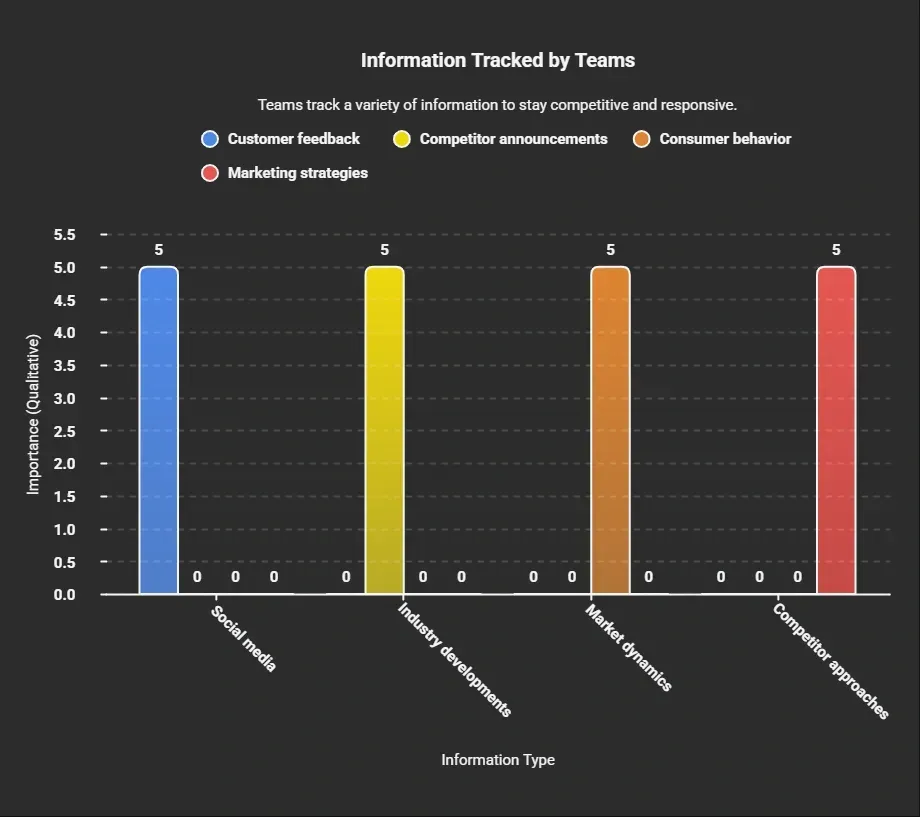 Social media monitoring helps gather competitive intelligence quickly. It also helps marketing teams and sales team adjust their approach based on real-time signals.
Many competitive intelligence tools now focus heavily on social media data. This improves competitive intelligence analysis and provides valuable insights.
Where market research fits in?
Market research still plays a big role. It just looks different now.
Instead of static surveys, market research connects with market intelligence and competitive intelligence research. Teams combine industry reports, customer feedback, and market insights.
This helps:
-
Identify target market changes
-
Analyze market trends
-
Understand emerging market opportunities
-
Support company’s strategic planning
When market research meets predictive competitive intelligence, teams gain critical insights and stronger strategic decision support.
Real impact on business strategy and decisions
Predictive competitive intelligence directly affects business strategy.
It helps teams:
-
Inform strategic decisions early
-
Improve competitive benchmarking
-
Build stronger competitive strategy
-
Improve competitive positioning
Sales team members use competitor intelligence to close deals faster. Marketing teams adjust marketing strategies based on real-time insights. This creates a clear competitive edge.
Practical Experiences
Here’s something relevant from a LinkedIn discussion on predictive competitive intelligence:
“The best competitive intel programs don’t just log what competitors did. They help your team figure out what to do next.” Linkedin
This reflects how competitive intelligence is evolving. It is no longer just about tracking past actions. It is about turning signals into decision
Introducing Rocket and its role in predictive intelligence
Rocket connects intelligence, build, and execution in one place. It supports strategic competitive intelligence by turning signals into action.
How Rocket connects with predictive intelligence
Rocket helps teams:
-
Gather competitive intelligence from multiple sources
-
Convert data into actionable insights
-
Support strategic decision making
-
Stay ahead of the competition
Instead of scattered tools, Rocket brings competitive intelligence, market intelligence, and execution together.
How Rocket Intelligence works?
Rocket Intelligence simplifies predictive competitive intelligence by organizing data into clear, structured insights. It connects intelligence with action, so teams can move from signals to execution without confusion.
Key features
-
Collects competitive intelligence information from sources like competitor websites, press releases, and social media
-
Uses machine learning to analyze patterns
-
Provides strategic insights and tactical intelligence
-
Helps teams inform strategic decisions
-
Supports competitive intelligence framework for better planning
Workflow
-
Collecting data from multiple sources
-
Analyzing customer feedback and market trends
-
Generating competitive insights
-
Turning insights into execution
When this workflow runs smoothly, teams don’t just gather competitive intelligence. They turn it into real actions that improve products and services, support strategic decisions, and help them stay ahead of the competition.
Predictive intelligence and competitive advantage
Teams using predictive competitive intelligence gain a strong competitive advantage.
They can:
-
Spot industry trends early
-
Adjust competitive strategy faster
-
Improve market share
-
Build better products and services
This also helps in competitive benchmarking and strategic analysis. When teams act early, they move ahead of the competition and stay ahead consistently.
Challenges in shifting to predictive intelligence
Shifting to predictive competitive intelligence sounds great, but it does come with its own set of challenges.
Teams often need to adjust processes, tools, and mindset before they can fully move from reactive to predictive approaches.
Some challenges include:
-
Handling large amounts of competitive intelligence data
-
Aligning teams across departments
-
Building a proper competitive intelligence framework
-
Training competitive intelligence professionals
Still, the benefits outweigh the effort. Predictive intelligence improves informed decisions and long-term growth.
Why prediction defines modern competitive intelligence
Many teams still rely on reactive competitive intelligence. They depend on late signals, scattered competitive intelligence tools, and slow market research. This often leads to missed opportunities, weak competitive positioning, and reduced market share. In a fast-changing market environment, reacting is not enough. Businesses need stronger strategic intelligence and better use of competitive intelligence data to keep up with shifting market trends and competitor strategies.
Predictive competitive intelligence changes the approach. It blends market intelligence, data analysis, and strategic competitive intelligence to help teams gather competitive intelligence early and inform strategic decisions faster. This supports a stronger overall business strategy and helps teams stay ahead of the competition with smarter moves.
Want to turn signals into action faster? Try Rocket.new to connect competitive intelligence with real execution.
Table of contents
- -Moving from reaction to prediction in competitive intelligence
- -Why predictive competitive intelligence matters now?
- -Traditional vs predictive approach
- -How predictive competitive intelligence actually works?
- -1\. Collecting data from multiple sources
- -2\. Analyzing data for patterns
- -3\. Using strategic intelligence
- -4\. Building early warning systems
- -5\. Taking action
- -Role of social media in predictive intelligence
- -Where market research fits in?
- -Real impact on business strategy and decisions
- -Practical Experiences
- -Introducing Rocket and its role in predictive intelligence
- -How Rocket connects with predictive intelligence
- -How Rocket Intelligence works?
- -Key features
- -Workflow
- -Predictive intelligence and competitive advantage
- -Challenges in shifting to predictive intelligence
- -Why prediction defines modern competitive intelligence