
Rocket.new redefines AI platforms by unifying research and build layers through shared memory, eliminating silos and accelerating development. This seamless integration enables smarter workflows, continuous context retention, and faster, more efficient product innovation.
What makes one AI system stand out when everything feels similar?
The answer is simple. Rocket.new connects research and building in one shared memory. That changes how teams work. No switching tabs. No losing context. Just one continuous flow from idea to execution.
According to a report by McKinsey, over 65% of companies now use generative AI in at least one business function. That number keeps growing. But most AI platforms still split research and execution. That gap slows things down.
So let’s break down why this approach feels different.
The Problem with Most AI Platforms
Well, most AI platforms look powerful at first. You get access to AI tools, AI chatbots, and a bunch of AI features. But then you notice something frustrating.
Your research stays in one place. Your build process happens somewhere else.
You run web searches, collect insights, maybe even use generative AI tools. Then you switch to another tool to write code, generate content, or create images. That context gets lost.
Even the best AI platforms today like those using Google Gemini or large language models, still separate these layers. You end up repeating prompts. That wastes time.
This is where rocket.new flips the approach.
What Does “Shared Memory” Actually Mean?
So, what is this shared memory idea?
It means the system remembers the entire conversation and uses it while building.
Let’s say you run deep research using web searches and gather business data. That same data feeds directly into your build process. No copy-paste. No re-explaining.
This changes how AI-powered workflows function.
Instead of fragmented steps, everything becomes one flow:
-
Research
-
Plan
-
Build
-
Refine
All connected.
Rocket.new: A Quick Overview
Rocket.new is one of the few AI platforms that focuses on combining deep research and execution.
It does not treat research as a separate task. It treats it as the foundation.
What it offers:
-
AI powered research with live data
-
Built in memory across tasks
-
Support for creative writing and content creation
-
Tools to generate images and handle image editing
-
AI chatbots that understand context across sessions
-
AI agents that assist with specific tasks
It works well for both non technical users and advanced users.
How Rocket.new Works?
Let’s keep it simple.
Rocket.new operates in layers, but they are connected internally.
Step-by-step flow:
- Deep Research Layer
You start with web searches and deep research. The system pulls live data and insights.
- Understanding Layer
It processes natural language inputs. It understands intent, not just keywords.
- Build Layer
You move to execution. You can generate content, write code, or create images.
- Memory Sync
The same context flows into the build. No reset.
- Iteration Loop
You refine outputs. The system learns from your edits.
This loop supports automating complex workflows and reduces manual intervention.
Key Features
-
Shared memory across research and build
-
AI powered workflows with continuous context
-
Support for multiple languages
-
Built in integrations with tools like Google Workspace
-
Cloud storage for storing training content
-
AI chatbots that adapt to your brand voice
-
AI voices for audio output
-
Video generation with background music
-
Image generation and image editing
-
Version control for tracking changes
These AI features help reduce the learning curve.
Comparing Rocket.new with Other AI Platforms
Here’s a quick table to make things clearer:
| Feature | Rocket.new | Other AI Platforms |
|---|---|---|
| Shared Memory | Yes | No |
| Deep Research | Yes | Limited |
| Build Integration | Direct | Separate tools |
| AI chatbots Context | Persistent | Session-based |
| Video generation | Strong | Moderate |
| Free plan | Available | Limited |
| Usage limits | Flexible | Strict |
You can see the difference.
AI Chatbots and Context Retention
AI chatbots are everywhere now. But most forget context after a few prompts.
Rocket.new changes that.
Its AI chatbots remember:
-
Your previous web searches
-
Your business processes
-
Your training content
-
Your internal workflows
That makes them feel more like virtual assistants rather than simple tools.
Deep Research Meets Build
Next, let’s talk about deep research.
Most tools treat research as a starting point only.
Rocket.new keeps it active throughout the process.
You can:
-
Run web searches multiple times
-
Analyze business data
-
Connect CRM data
-
Align with strategic priorities
Then directly use that for content generation or code generation.
Generative AI and Creative Output
Generative AI is everywhere. But quality varies.
Rocket.new focuses on usable output.
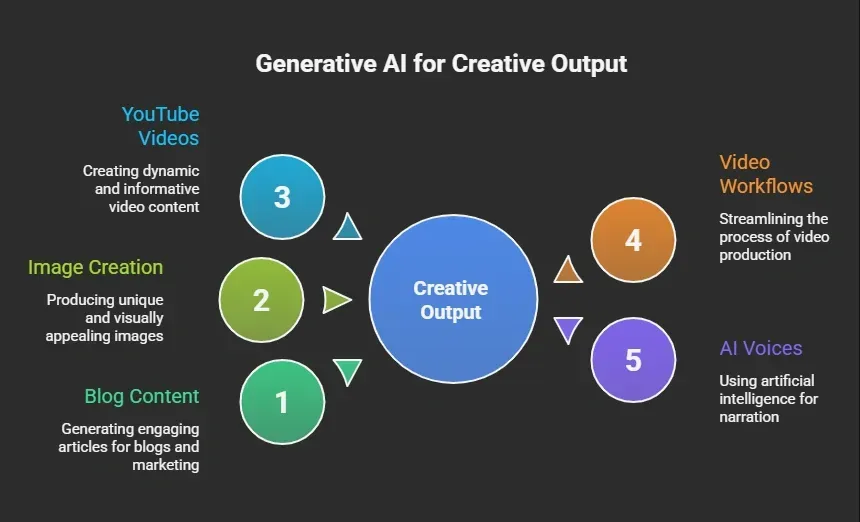 This improves creative output without switching between other tools.
Community Insight
Here’s a real perspective from Reddit:
“The biggest issue with AI tools right now is context loss. You research something, then rebuild everything again in another tool. It’s exhausting.”
That’s exactly the gap Rocket.new is trying to fix.
Built for Real Workflows
Rocket.new is not just about flashy demos.
It supports real work like:
-
Meeting notes and meeting assistants
-
Data science workflows
-
Training content creation
-
Task automation
-
Automate workflows across teams
You can even connect your tech stack and manage the entire codebase in one place.
Free Plan and Usage Limits
Let’s be real. Pricing matters.
Rocket.new offers a free plan. That helps you test features without risk.
It also has flexible usage limits compared to other AI platforms.
This makes it easier to experiment with:
-
Video generation
-
Image editing
-
Web searches
-
AI chatbots
Without worrying about hitting limits too quickly.
How It Connects Back to the Title
So, why is Rocket.new different?
Because it removes the gap.
Most AI platforms split research and execution. Rocket.new connects them.
That shared memory means:
-
No repeated prompts
-
No lost insights
-
Better decisions
It connects deep research with actual building in one continuous system.
Rethinking the AI platform in 2026
The problem
Most AI platforms still separate research from execution. This creates friction. Teams lose context. Work slows down.
The solution
Rocket.new connects both layers using shared memory. It keeps research active during the build process. That improves flow and reduces repetition.
The main takeaway
When research and execution share memory, work feels natural. You move faster and think more clearly. That is what makes this AI platform in 2026 stand out.
Table of contents
- -The Problem with Most AI Platforms
- -What Does “Shared Memory” Actually Mean?
- -Rocket.new: A Quick Overview
- -What it offers:
- -How Rocket.new Works?
- -Step-by-step flow:
- -Key Features
- -Comparing Rocket.new with Other AI Platforms
- -AI Chatbots and Context Retention
- -Deep Research Meets Build
- -Generative AI and Creative Output
- -Community Insight
- -Built for Real Workflows
- -Free Plan and Usage Limits
- -How It Connects Back to the Title
- -Rethinking the AI platform in 2026
- -The problem
- -The solution
- -The main takeaway