
Which AI platforms are transforming product team workflows today? Highlights leading tools that streamline development, reduce manual tasks, enhance decision-making, and help teams build efficient AI stacks for faster, smarter product launches.
What are the top AI platforms helping product teams?
The right AI tools help a product manager build, test, and launch without long delays. Product teams today rely on AI tools for product development to reduce repetitive tasks, speed up workflows, and improve decision-making.
According to Statista, the global AI market is projected to reach around $244 billion in 2025 and grow rapidly toward $1 trillion by 2031, showing how fast adoption is growing:
This blog will help you understand the best AI tools, how to use them, and how to build a strong AI stack for faster product launches.
Why Product Teams are Turning to AI?
So, why are more product teams relying on AI tools right now?
Simple. The workload of a product manager keeps growing, and handling everything manually just slows things down.
-
A product manager handles ideas, feedback, planning, and execution. That’s a lot to manage daily.
-
AI tools help reduce repetitive tasks and free up time for better thinking.
-
They organize meeting notes and make user interviews easier to track.
-
Many AI tools support natural language, so a product manager can just type what they need.
-
Instead of switching between apps, many AI tools bring everything into one place.
-
Less context switching means better focus and faster progress.
So, in the end, AI tools help product teams stay organized, move faster, and spend more time on real decision-making instead of routine work..
Key Trends Shaping AI in Product Work
So, what’s changing in product management with A tools? A product manager today works faster, smarter, and with better clarity.
1. Rise of Vibe Coding
Yes, vibe coding is becoming a thing. It means describing your product idea in simple words and letting AI tools generate the structure.
A product manager can sketch user stories, define flows, and even create interactive prototypes using AI apps.
And guess what? It’s a huge time saver.
2. AI Powered Workflows
Teams now rely on AI powered workflows to handle automating repetitive tasks like sorting feature requests, summarizing customer feedback, and generating reports.
This helps a product manager focus on product strategy instead of busy work.
3. Better Decision Making
With data analysis and qualitative research, AI tools help teams spot patterns in user feedback and customer interviews.
These trends show how AI tools are shaping modern product teams. A product manager can now move faster, make better decisions, and focus on what truly matters.
Top AI Tools Product Teams Are Using
Here’s a quick breakdown of some popular options:
| Tool | Use Case | Key Benefit |
|---|---|---|
| Rocket.new | App building, prototyping | Turns ideas into working apps fast |
| Notion AI | Documentation, meeting notes, planning | Works like an AI assistant |
| Claude Code | Writing specs, coding help | Strong natural language understanding |
| Figma AI | Design and interactive prototypes | Fast image generation |
| ChatGPT | Research, content creation | Flexible AI powered support |
| Otter AI | meeting assistants | Converts speech to text |
These are some of the best AI tools used by every product manager today.
Rocket.new
Rocket.new reimagines how ideas become real products. Instead of wrestling with fragmented tools and long handoffs, it gives product managers a direct path from concept to execution.
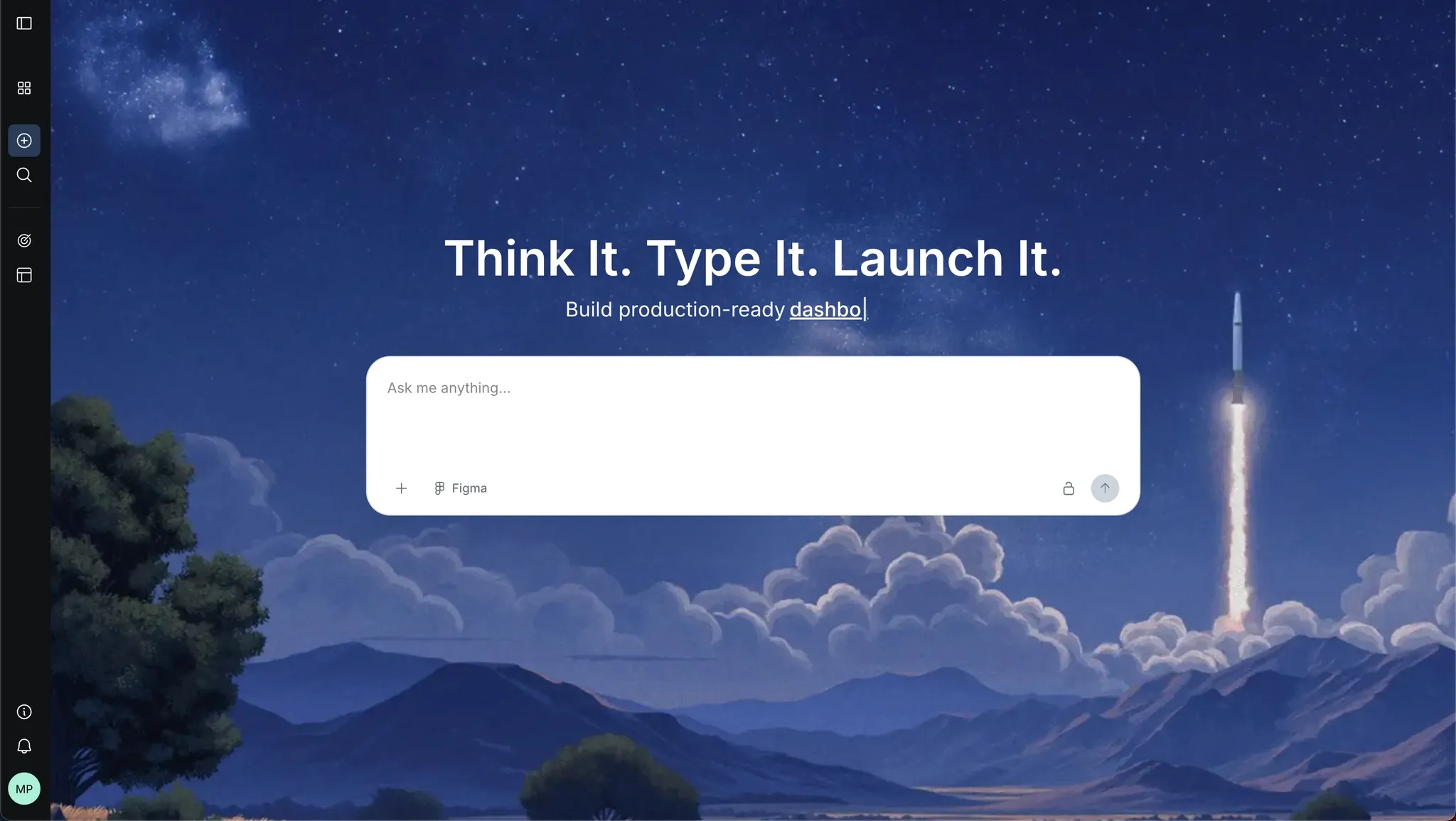 By translating natural language into functional outputs, it turns abstract thinking into something tangible, interfaces, workflows, and app logic that actually work. It’s not just another AI tool; it’s a shift in how products are created, where clarity of thought is enough to start building.
Features
-
Builds apps directly from single prompts
-
Converts design files into live, editable layouts
-
Automatically handles logic, data, and workflows
-
Publishes projects with a branded domain
-
Allows developers to extend or customize later
-
Shows instant updates while editing
-
Speeds up building with ready-to-use elements
-
Use / and @ to run actions and quickly scope edits.
Use Cases
Rapid Prototyping: A product manager can quickly build interactive prototypes to validate ideas and test early concepts.
MVP Development: Instead of waiting on engineering teams, teams can create AI apps and launch faster.
Feedback Testing: Use built apps to gather customer feedback and refine based on user feedback.
Best For
Fast-moving product teams that want to validate ideas and launch quickly.
Pricing
Varies based on usage and features (check the official site for the latest plans).
Rocket.new fits perfectly into a modern AI stack for fast execution. It helps product teams move from idea to launch without long delays.
Notion AI
Notion AI helps a product manager manage documentation and organize product management work. It fits well into existing workflows and reduces context switching.

Features
-
Writes and summarizes meeting notes
-
Helps manage user stories and feature requests
-
Supports data management and planning
-
Offers free templates for workflows
Best For
Product managers who handle documentation and planning daily.
Pricing
Freemium with paid upgrades.
Pros
-
Easy to use
-
Great for content creation
-
Helps save time
Cons
-
Limited deep data analysis
-
Can feel basic for complex workflows
Notion AI works best for organizing ideas and daily workflows. It keeps everything structured so a product manager stays focused.
Claude Code
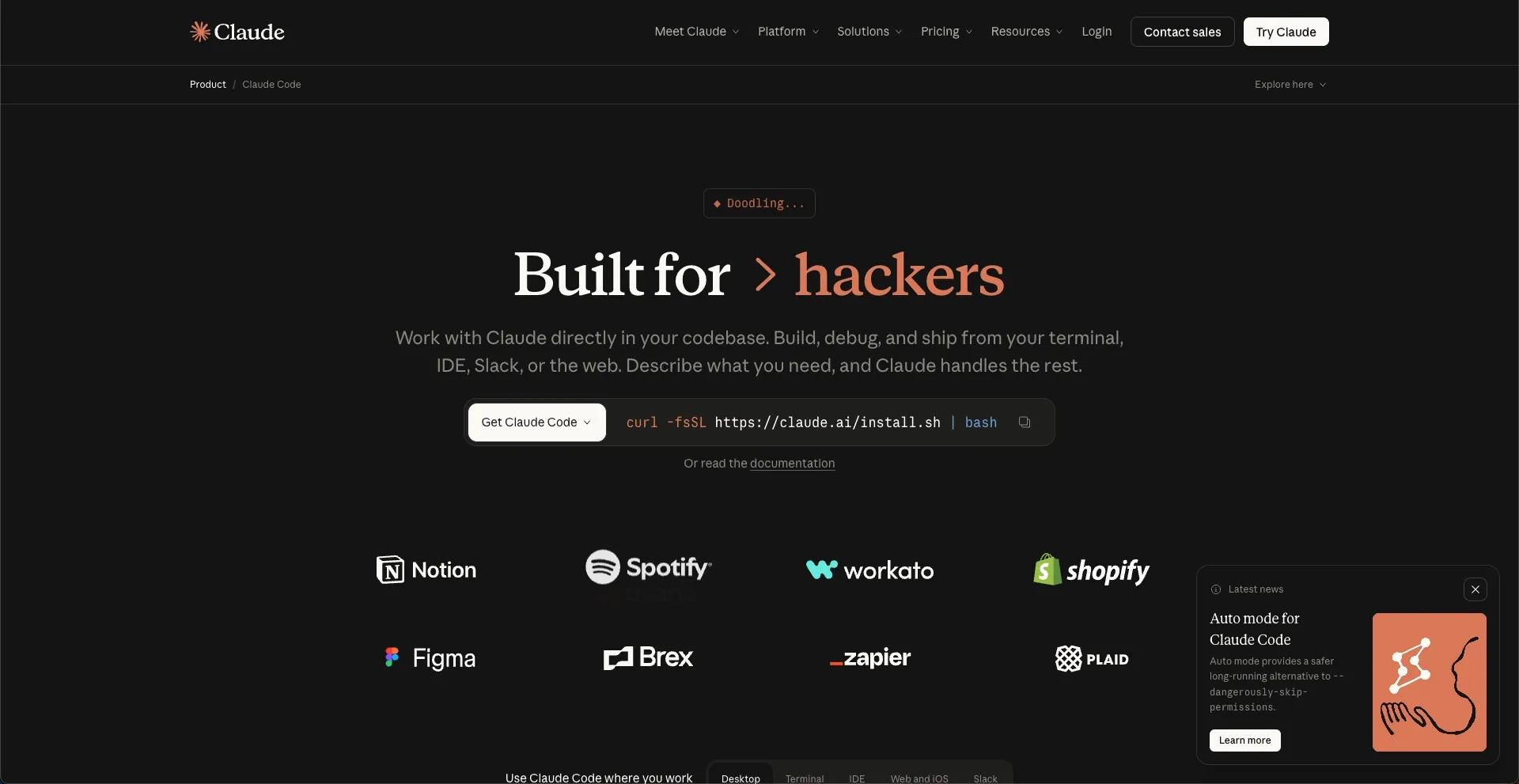
Claude Code is widely used in AI product management tools for thinking and structuring ideas. It helps a product manager write specs and plan product features.
Features
-
Strong natural language understanding
-
Helps with user stories and feature requests
-
Supports qualitative research
-
Works well with generative AI
Best For
Product managers work closely with engineering teams.
Pricing
Subscription-based.
Claude Code is great for deeper thinking and structured planning. It supports product managers when decisions need clarity and logic.
Figma AI
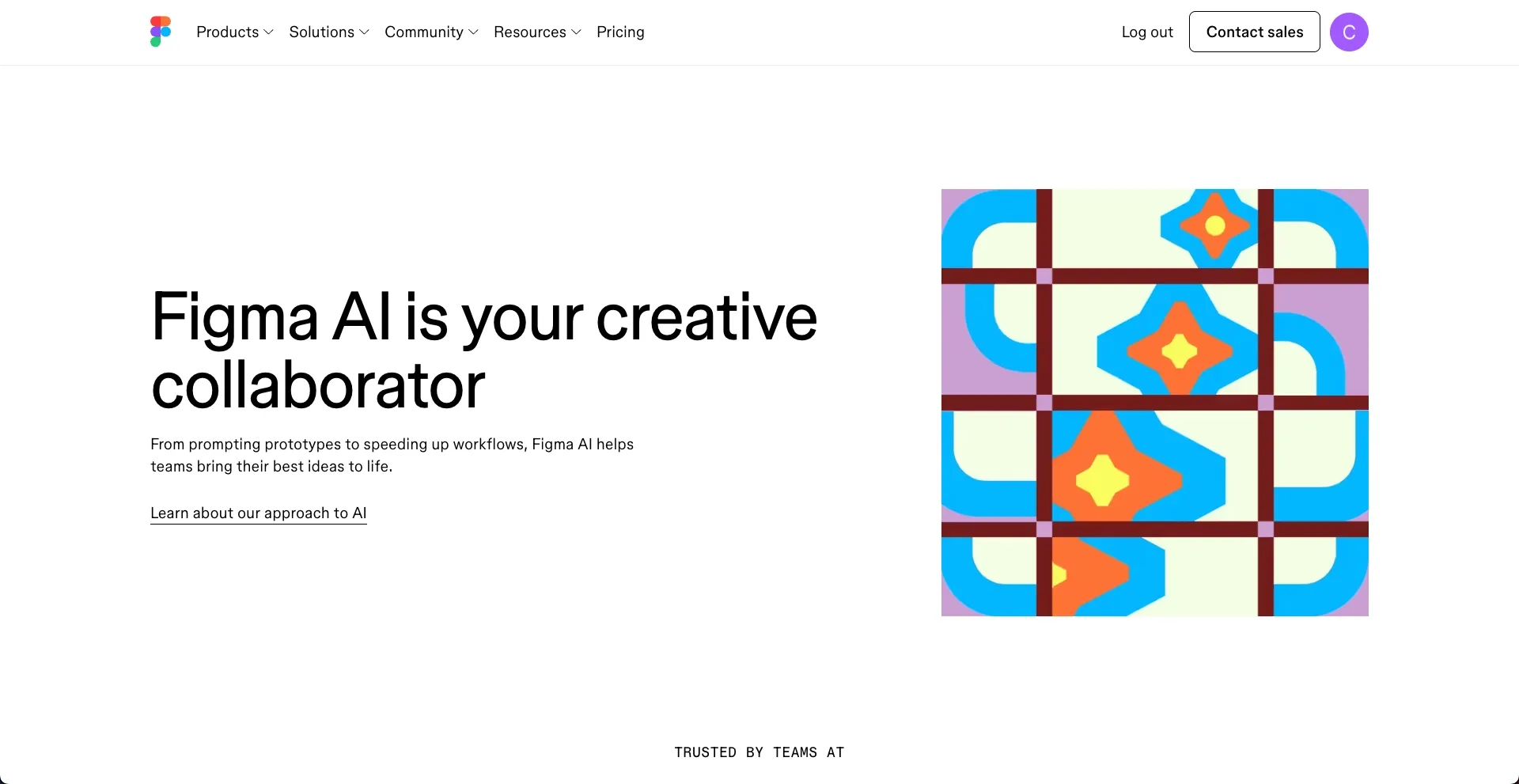
Figma AI helps product teams create designs and interactive prototypes quickly. It supports image generation and design suggestions.
Features
-
AI-assisted design layouts
-
Interactive prototypes
-
Image generators built-in
-
Supports cross functional collaboration
Best For
Design-heavy product teams.
Pricing
Freemium with paid plans.
Figma AI helps bring product ideas into visual form quickly. It makes collaboration easier between designers and product teams.
ChatGPT
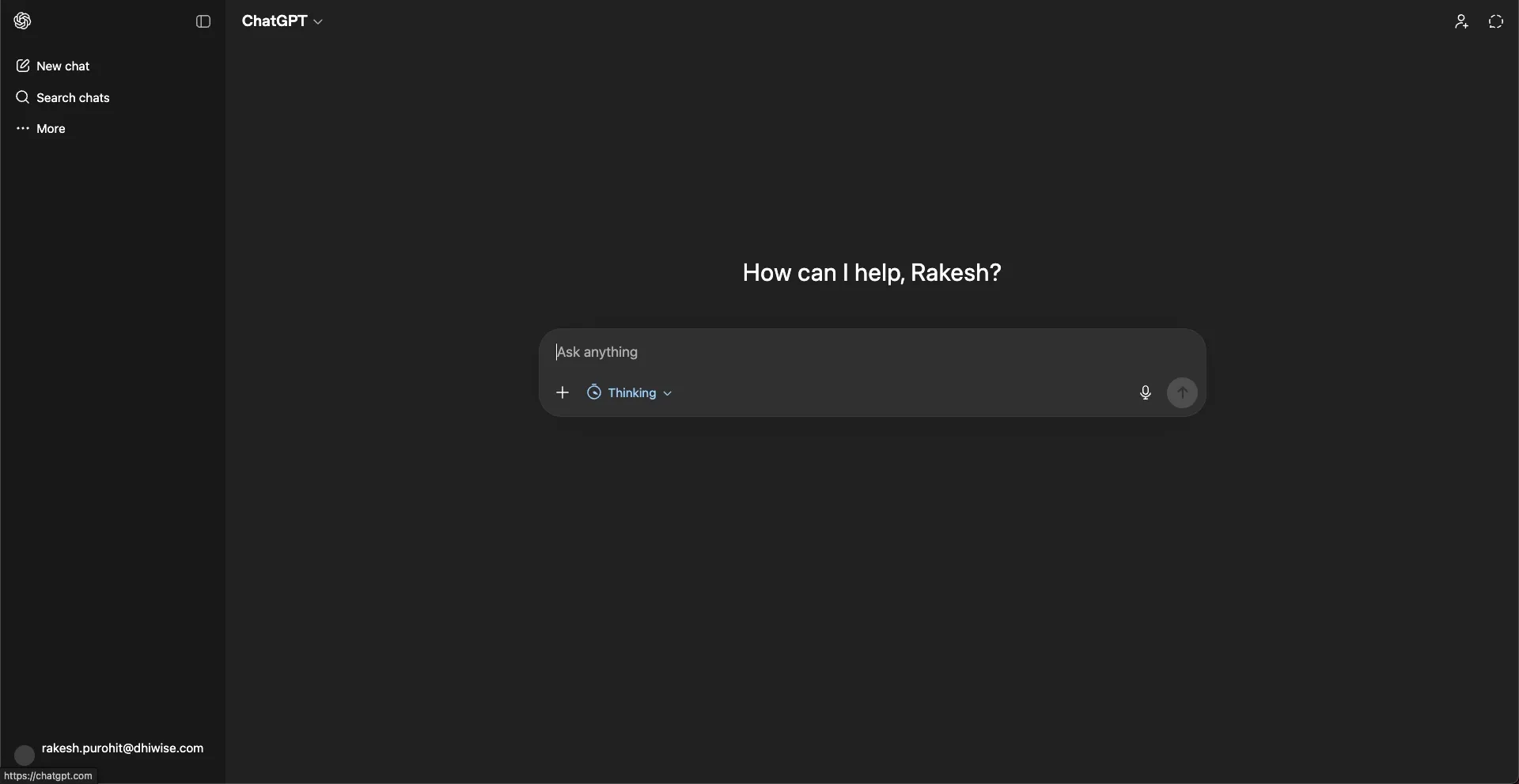
ChatGPT is one of the top AI tools used by every product manager for research and writing. It helps with market research, content creation, and planning.
Features
-
Supports natural language input
-
Helps with user interviews and customer interviews
-
Assists in content creation
-
Works across many AI tools
Best For
General use across product management tasks.
Pricing
Free and paid plans available.
ChatGPT fits into almost any ai stack with ease. It helps product managers handle multiple tasks without extra tools.
Otter AI
Otter AI is one of the most popular meeting assistants used by product teams. It helps a product manager capture meeting notes without effort.
Features
-
Real-time transcription
-
Highlights key themes
-
Supports meeting assistants’ workflows
-
Helps track customer feedback
Best For
Teams that run frequent meetings and user interviews.
Pricing
Freemium with paid plans.
What Builders Are Saying
Here’s an insight from LinkedIn that connects directly with how product teams are evolving:
“The role of product management is to connect business, technology, and user needs while continuously adapting to change.” Linkedin
This hits the point. A product manager is not just managing tasks anymore. They are connecting ideas, users, and execution. AI tools simply make this process faster, clearer, and easier for product teams to move from idea to launch.
How AI Improves Collaboration
So, how do AI tools actually help product teams work better together? When multiple people are involved, things can get messy. That’s where AI makes coordination smoother.
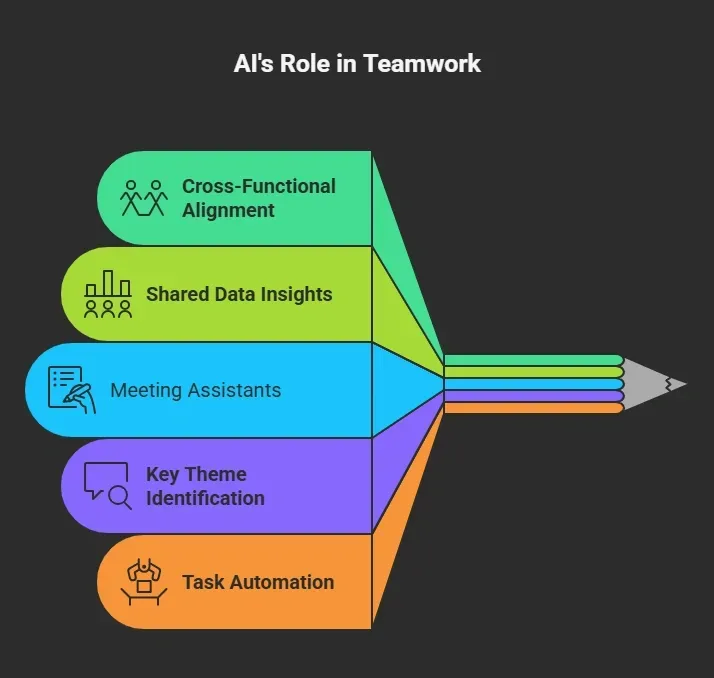 AI tools make teamwork simpler and more organized. They help product teams stay aligned, communicate better, and move forward faster.
From Idea to Launch: How AI Is Changing Product Teams
A product manager often deals with slow execution, scattered tools, and too many repetitive tasks. This makes product management harder and delays launches. Today, product teams need faster ways to move from a product idea to reality. That’s where AI tools step in. Using the top AI platforms for product teams in 2026, teams can leverage AI to simplify work, manage user interviews, and handle feature requests with more clarity and speed.
A product manager no longer has to do everything manually. With the right AI tools for product, teams can focus on building better products and improving workflows. Start small with a few tools for product managers, build a strong AI stack, and grow step by step.
Table of contents
- -Why Product Teams are Turning to AI?
- -Key Trends Shaping AI in Product Work
- -1\. Rise of Vibe Coding
- -2\. AI Powered Workflows
- -3\. Better Decision Making
- -Top AI Tools Product Teams Are Using
- -Rocket.new
- -Features
- -Use Cases
- -Best For
- -Pricing
- -Notion AI
- -Features
- -Best For
- -Pricing
- -Pros
- -Cons
- -Claude Code
- -Features
- -Best For
- -Pricing
- -Figma AI
- -Features
- -Best For
- -Pricing
- -ChatGPT
- -Features
- -Best For
- -Pricing
- -Otter AI
- -Features
- -Best For
- -Pricing
- -What Builders Are Saying
- -How AI Improves Collaboration
- -From Idea to Launch: How AI Is Changing Product Teams